8 Types of Metal Roofing: A Complete Guide
Date:
Editor:
If the term "metal roof" brings to mind a simple, corrugated tin shed, it’s time for a fresh look. Today’s metal roofing offers a huge range of sophisticated styles that can complement any home, from a modern farmhouse to a classic colonial. You can get the timeless appearance of slate, tile, or wood shake without the high maintenance or weight. The key is understanding the different types of metal roofing available. Whether you prefer the clean, vertical lines of a standing seam roof or the textured look of stone-coated steel, there’s a durable, beautiful option that will fit your home’s aesthetic perfectly. Let’s explore the styles that can transform your home’s curb appeal.
Key Takeaways
Think long-term about cost and value: A metal roof is a significant investment, but its 50+ year lifespan, low maintenance needs, and energy efficiency often lead to substantial savings compared to replacing asphalt shingles multiple times.
Match the material and style to your home: From affordable steel to corrosion-resistant aluminum for coastal areas, you can select a material that fits your climate. Then, choose a style, like modern standing seam or traditional metal shingles, to complement your home's look.
Enjoy superior durability and protection: Metal roofs are built to withstand extreme weather, including high winds and hail, and are naturally fire-resistant. They also reflect solar heat, which helps keep your home cooler and can lower your energy bills.
What is a Metal Roof?
When you picture a roof, traditional asphalt shingles might be the first thing that comes to mind. But there's another option that’s becoming more popular for its strength and style: metal roofing. A metal roof is a roofing system made from metal pieces, panels, or tiles. It’s engineered to be a strong and lasting choice for homes and buildings, providing excellent protection from weather like rain, snow, and wind. Unlike other materials that can break down over time, metal offers a durable shield for your home, combining function with a clean, modern aesthetic. It's a straightforward upgrade that delivers on both performance and looks.
The Benefits of Choosing Metal
One of the biggest draws of a metal roof is its incredible lifespan. While asphalt shingles might need replacing every 15 to 20 years, a properly installed metal roof can last 50 years or more. They are also exceptionally tough, capable of handling strong winds up to 140 mph without cracking or peeling. Beyond durability, there are several other key benefits of metal roofing. Metal is fire-resistant, which can offer peace of mind and even lower insurance premiums. It's also energy-efficient, reflecting solar heat to keep your home cooler in the summer and reduce your energy bills. Plus, it's a sustainable choice, often made from recycled materials and being 100% recyclable itself at the end of its life.
Common Metal Roofing Myths, Busted
Let’s clear up a few common misconceptions about metal roofs. First, the noise. Many people imagine a loud drumming sound during a rainstorm, but that's simply not the case. When installed correctly over a solid deck with proper insulation, a metal roof is no noisier than any other roofing material. Another myth is that metal roofs are prone to rust. While that might have been a concern in the past, modern metal roofing materials are treated with advanced coatings to resist corrosion and prevent rust. These protective layers ensure your roof maintains its integrity and appearance for decades, even in wet climates.
Your Guide to Metal Roofing Materials
Metal roofing isn't a one-size-fits-all solution. The type of metal you choose plays a huge role in your roof's appearance, durability, and overall cost. Each material has its own unique personality and set of benefits, from classic steel to elegant copper. Understanding these differences is the first step toward picking a roof you’ll love for decades. Let's walk through the most popular options so you can find the perfect fit for your home and budget.
Steel
Think of steel as the reliable workhorse of metal roofing. It’s one of the most popular choices because it strikes a great balance between performance and affordability. Steel is strong enough to handle tough weather, from heavy rain to high winds, making it a solid pick for almost any climate. To keep it in top shape, steel roofing is treated with protective finishes that prevent rust and add to its longevity. This combination of durability and cost-effectiveness makes steel a go-to for many homeowners looking for a dependable, long-lasting roof.
Aluminum
If you live near the coast, aluminum is your best friend. Its biggest advantage is its incredible resistance to rust and corrosion, even in salty sea air. Aluminum is also very lightweight, which can sometimes reduce the structural support needed for your roof. While it can be more expensive than steel, its low-maintenance nature and ability to withstand harsh weather make it a worthwhile investment. For homeowners in coastal regions, choosing aluminum means you won’t have to worry about the damaging effects of salt spray on your roof.
Copper
For a truly stunning and timeless look, nothing compares to copper. It’s easily the most visually striking option, starting with a bright, metallic shine and slowly developing a beautiful blue-green patina over time. This unique aging process gives your home a classic, distinguished appearance. Copper is also exceptionally durable, with a lifespan that can easily exceed 100 years. It’s a premium material with a price tag to match, but for those seeking unmatched beauty and longevity, a copper roof is an investment that pays off for a lifetime.
Zinc
Zinc is another powerhouse material known for its incredible toughness and long lifespan, often lasting over a century. It’s a fantastic choice for extreme weather, holding up well against everything from heavy snow to hail. Over the years, zinc develops an attractive bluish-gray patina that not only looks great but also acts as a protective layer. It’s also a highly sustainable option, as it's recyclable and requires very little energy to produce. If you’re looking for a low-maintenance, eco-friendly roof that will stand the test of time, zinc is an excellent choice.
Finding Your Metal Roofing Style
Once you’ve picked a material, it’s time for the fun part: choosing a style. Metal roofing has come a long way from the simple, utilitarian look you might be picturing. Today’s options can mimic classic materials like slate, tile, and wood shake, or offer a sleek, modern aesthetic that makes a statement. The style you choose will define your home’s character, so it’s worth exploring what’s out there. From the clean lines of standing seam panels to the traditional charm of stone-coated steel, there’s a metal roof style to match any home and any taste. Let's walk through some of the most popular choices to help you find the perfect fit.
Standing Seam
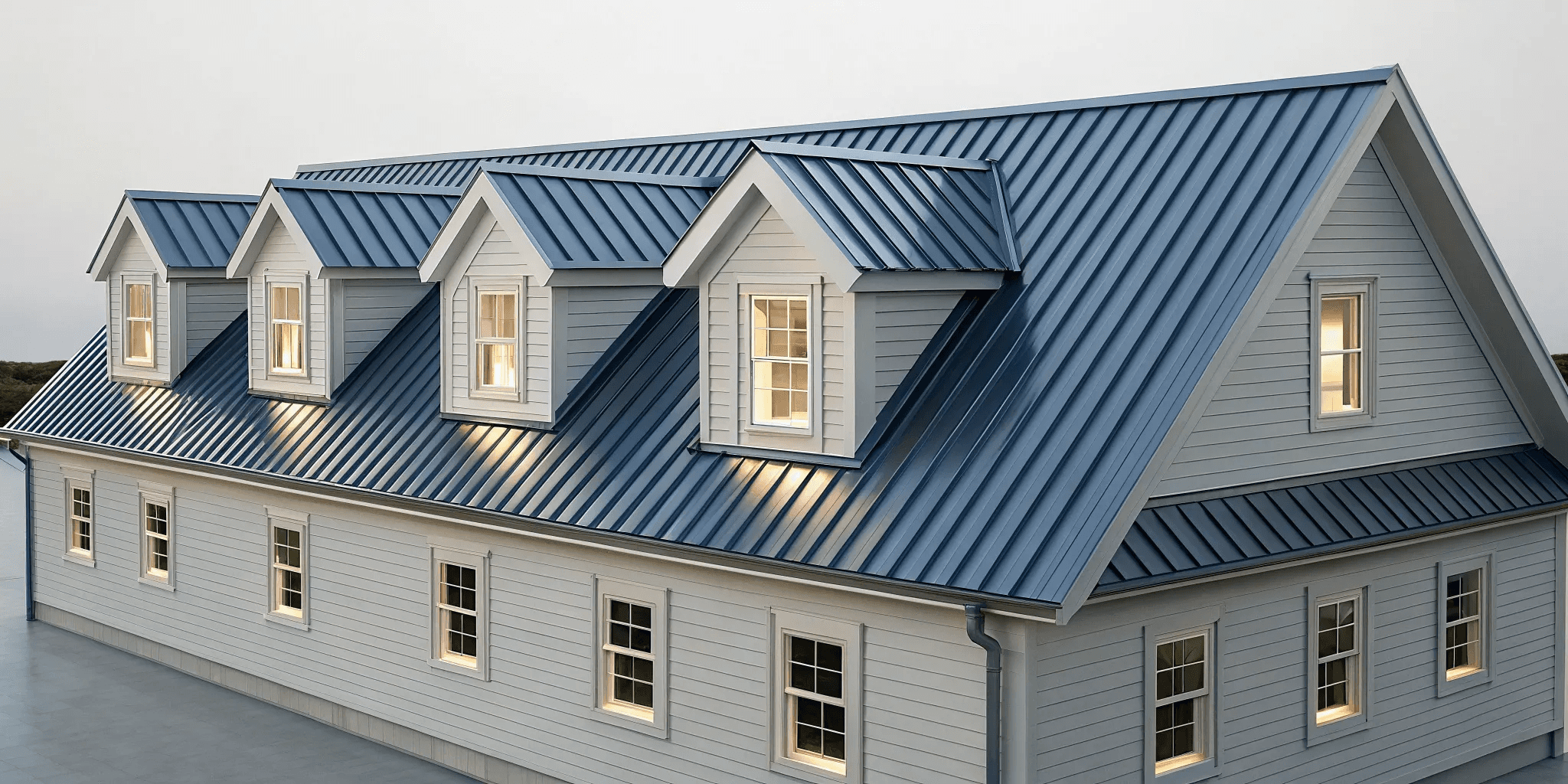
If you love a clean, contemporary look, a standing seam roof might be for you. This style uses long, vertical panels with raised seams that run from the top of your roof to the bottom. The fasteners are hidden beneath these seams, which creates a smooth, streamlined appearance. Beyond its modern aesthetic, this design is incredibly practical. The raised seams are designed to be almost completely waterproof, preventing leaks even if water pools on the surface. It’s a popular choice for homeowners who want a durable, low-maintenance roof that looks sharp and sophisticated.
Corrugated Panels
You’ve probably seen corrugated metal panels on barns or sheds, but they’re also a great option for residential homes, especially if you’re going for a modern farmhouse or industrial vibe. Known for their distinct wavy or ribbed pattern, these panels are functional, durable, and one of the more affordable metal roofing options. Their simple, effective design makes them a workhorse in the roofing world. Corrugated metal panels are used on all kinds of buildings, from agricultural structures to commercial properties and modern homes, proving their versatility and lasting appeal.
Stone-Coated Steel
Want the classic look of shingles or tiles without sacrificing the strength of metal? Stone-Coated Metal Roofing offers the best of both worlds. This style starts with a strong steel base that is then coated with a layer of stone granules. This process creates a textured finish that can convincingly mimic traditional materials like asphalt shingles, clay tiles, or even wood shakes. The result is a roof that’s not only beautiful but also highly durable, fire-resistant, and built to last for many years. It’s an excellent choice if you want to maintain a traditional look for your home while getting all the benefits of a metal roof.
Metal Shingles and Tiles
If you love the timeless look of a shingled or tiled roof, you don’t have to give it up to get the performance of metal. Metal shingles and tiles are designed to replicate the appearance of popular roofing materials like slate, cedar shakes, or classic clay tiles. These products are stamped and shaped to create authentic-looking profiles, but they’re made from durable metal. This means you get the aesthetic you want with the superior longevity and weather resistance that metal provides. They are incredibly durable and can protect your home for decades, making them a smart, long-term investment.
Comparing How Metal Roofs Perform
Not all metal roofs are created equal. While they all share some core benefits, the specific material and style you choose will determine how your roof performs over time. Factors like where you live, your budget, and the look you’re going for will all play a role in finding the perfect fit. Understanding the key differences in durability, weather resistance, and energy efficiency will help you make a confident choice. Let's break down what you can expect from a metal roof in these key areas.
Durability and Lifespan
One of the biggest draws of a metal roof is its incredible longevity. While a typical asphalt shingle roof might need replacing in 15 to 20 years, a properly installed metal roof can last 50 years or even longer. Think of it as a long-term investment in your home’s protection and value. Different types of metal roofing offer varying lifespans, but all provide a significant upgrade over traditional materials. For instance, materials like copper are celebrated not just for their stunning appearance but also for their unmatched durability, developing a beautiful patina over time while continuing to protect your home for generations.
Weather Resistance
Metal roofs are tough. They are engineered to handle extreme weather conditions, from heavy snow and hail to high winds. Unlike shingles that can tear or fly off during a storm, metal panels, especially standing seam systems, are interlocked and securely fastened, creating a tight seal against the elements. This built-in wind resistance provides peace of mind, especially if you live in an area prone to severe weather. Metal also won't absorb water or crack from freeze-thaw cycles, and it naturally sheds snow and ice, preventing dangerous buildups on your roof.
Energy Efficiency
A metal roof can be a fantastic way to make your home more energy-efficient, which is great for your wallet and the environment. Many metal roofing products are finished with special coatings that reflect solar radiant heat. This means that during hot, sunny days, your roof absorbs less heat, keeping your attic and home cooler. A cooler home requires less air conditioning, leading to lower energy bills. This is one of the key benefits of metal roofing that provides a return on your investment year after year.
Strength and Thickness
The strength of a metal roof is directly related to the type of metal and its thickness, which is measured in "gauge." It’s a little counterintuitive, but a lower gauge number means a thicker, stronger metal. For residential roofing, you’ll typically see gauges between 24 and 29. A thicker metal offers better resistance to impacts from things like hail or falling tree limbs. Steel is one of the most common options because it provides an excellent balance of strength, durability, and cost, making it a reliable choice for many homeowners.
Choosing the Right Metal Roof for Your Home
With so many materials and styles available, picking the perfect metal roof comes down to a few key factors: your local climate, your budget, your home’s aesthetic, and the specifics of the installation. Thinking through each of these will help you land on a choice you’ll be happy with for decades.
Considering Your Climate
Where you live plays a huge role in picking the right metal. If your home is in a coastal area, you'll want a material that can stand up to salt spray and humidity. Aluminum roofing is a fantastic option here because it naturally resists corrosion from saltwater. For regions with more dramatic weather, like heavy snow, hail, or intense heat, zinc is a great choice. It’s incredibly tough and can handle extreme temperatures without cracking, giving you peace of mind no matter what the forecast brings. Thinking about your local weather patterns first will narrow down your material options significantly.
Working With Your Budget
Metal roofing comes in a range of price points, so you can find an option that fits your budget. Steel is one of the most popular choices because it offers a great balance of durability and affordability. It’s a solid, practical investment that performs well without the premium price tag. On the other end of the spectrum is copper. While it’s often the most expensive option, copper roofing is prized for its stunning appearance and incredible longevity, making it a true lifetime investment for your home.
Matching Your Home's Style
A metal roof doesn't have to look like a barn. Modern metal roofing comes in styles that can complement any home, from a classic colonial to a modern farmhouse. If you love the look of traditional materials, consider stone-coated metal roofing. These are steel panels covered with stone granules that mimic the appearance of asphalt shingles or clay tiles. You can also find metal shingles that offer a classic look with superior durability and low maintenance, giving you the best of both worlds.
What to Know About Installation
The type of panel and its thickness are key details to discuss with your installer. For example, standing seam roofs have a design with concealed fasteners that makes them almost completely waterproof, which is a huge advantage for preventing leaks. You should also ask about the thickness, or gauge, of the metal. With metal roofing, a lower gauge number means a thicker, more durable panel. Choosing the right metal roof type is crucial for ensuring your roof performs well for decades to come.
Metal Roofs vs. Other Materials
When you're choosing a new roof, you're faced with a lot of options. Metal is a fantastic choice, but it's helpful to see how it stacks up against more traditional materials. Let's break down the key differences so you can feel confident in your decision. Understanding how metal compares in terms of longevity, style, and environmental impact will give you a clearer picture of its true value. From the common asphalt shingle to classic tile, each material has its own profile, and knowing the details helps you find the perfect fit for your home.
Metal vs. Asphalt Shingles
Asphalt shingles are everywhere, mostly because they have the lowest upfront cost. It's a tempting price tag, but it's important to look at the bigger picture. A metal roof can last 50 years or even longer, while you might need to replace an asphalt roof two or three times in that same period. While asphalt shingles cost less at first, they wear out faster and are more easily damaged by weather. So, while you pay more initially for one of the different types of metal roofing, you often save a significant amount of money over the long run on repairs and replacements.
Metal vs. Tile and Slate
Tile and slate roofs have a classic, high-end look, but they come with a hefty price tag and a lot of weight. Your home's structure might even need extra support to handle them. Metal roofing gives you a way to get a similar aesthetic without the drawbacks. It offers a great balance of looks, durability, and cost compared to these heavier materials. You can find metal shingles and panels that mimic the appearance of clay tiles or slate, but they are lightweight, often more affordable, and don't require the same level of structural reinforcement, making them a much more versatile option.
Sustainability and Recycling
If being environmentally conscious is important to you, metal roofing is a clear winner. Unlike asphalt shingles that often end up in landfills, metal roofs are fully recyclable at the end of their very long life. Many are made with recycled content from the start. For example, aluminum roofs often contain about 95% recycled materials, and zinc is known for being exceptionally eco-friendly. This commitment to sustainability reduces waste and the demand for new resources, making it a responsible choice for your home and the planet.
What to Expect During Installation
Why Professional Installation Matters
While it might be tempting to DIY your new roof, professional installation is almost always the best route. Some systems seem straightforward, but others, like standing seam roofs, require special tools and skills. A professional ensures every panel is perfectly aligned and sealed, which is critical for weather resistance and longevity. Proper installation is key to handling high winds and preventing leaks. It's a smart investment in your home’s protection that prevents headaches and costly repairs later on.
Insulation and Sound
Let’s clear up a common concern: noise. Many people think a metal roof will be loud during a rainstorm, but that’s not the case. With proper sheathing and insulation underneath, a metal roof is no louder than an asphalt shingle roof. That insulation also plays a huge role in your home's energy efficiency. A well-installed metal roof reflects solar heat, which can significantly lower your cooling costs in hot months. You get a quiet, comfortable home and a smaller energy bill.
Fire Safety and Building Codes
One of the biggest safety advantages of a metal roof is its fire resistance. Metal is non-combustible, so it won’t ignite or spread flames in a fire, which offers incredible peace of mind. Before your project begins, it’s important to check your local building codes. Different areas have specific requirements for roofing materials and installation, especially in regions prone to hurricanes or heavy snow. Your contractor should know these regulations, but confirming compliance is a good idea to avoid issues with inspections or insurance.
How to Care for Your New Roof
One of the best parts of a metal roof is how little maintenance it requires. They are built to last with minimal fuss. Your main task is to keep it clean by periodically removing leaves, branches, or other debris that can trap moisture. It’s also smart to do a quick visual inspection once or twice a year for any scuffs or scratches in the finish. Fixing minor issues early maintains the protective coating and keeps your roof looking great for decades. This simple roof care routine helps you get the most from your investment.
Breaking Down the Cost of a Metal Roof
When you're looking at roofing options, the price tag is obviously a big factor. A metal roof often has a higher upfront cost than traditional materials like asphalt shingles, but that initial number doesn't tell the whole story. The total cost is a combination of the materials you choose, the complexity of the installation, and the long-term value you get from your investment. Thinking about these three areas will give you a much clearer picture of what you're really paying for and the savings you can expect down the road.
Material Costs
The type of metal you select is one of the biggest variables in your final cost. Steel roofing is a very common choice because it hits a sweet spot between performance and affordability. It's strong, durable, and comes in a wide variety of colors and finishes. For homes in coastal areas, aluminum is an excellent option. It’s lightweight and naturally resistant to rust and corrosion from salt spray, making it a smart investment for that environment. On the high end, you have copper. A copper roof is undeniably beautiful and can last for over a century, developing a distinctive green patina over time. It’s a premium material with a price tag to match, making it the most expensive of the common types of metal roofing.
Installation Costs
Beyond the materials, labor makes up a significant portion of your roofing budget. The complexity of your roof’s design, including its pitch, hips, valleys, and features like skylights or chimneys, will influence the installation time and cost. Different roofing styles also require different installation techniques. For example, a standing seam metal roof system, known for its sleek look and superior wind resistance, requires specialized skills to install correctly. Ultimately, choosing the right metal roofing involves weighing the pros and cons of each material and style against your specific needs and budget. Getting a detailed quote from a qualified installer is the best way to understand the full scope of the project.
Long-Term Value and Savings
This is where a metal roof truly shines. While the initial outlay might be higher, a metal roof can save you a lot of money in the long run. Their incredible durability means you won't be paying for frequent repairs or a full replacement in 15 to 20 years, which is a common cycle for asphalt shingles. Metal roofs are also highly energy-efficient. They reflect solar heat, which can significantly reduce your cooling costs during hot months. On top of that, the long-term benefits of metal roofing include excellent fire resistance, low maintenance needs, and sustainability, as most metal roofing is recyclable at the end of its long life.
Frequently Asked Questions
Is a metal roof really worth the higher upfront cost? It’s true that a metal roof is a bigger initial investment than something like asphalt shingles, but it’s one that pays for itself over time. Think of it this way: a metal roof can last 50 years or more, while you might have to replace an asphalt roof two or even three times in that same span. When you factor in the long-term savings on repairs, replacements, and lower energy bills from its reflective properties, the value becomes very clear.
Will a metal roof make my house hotter in the summer? This is a common myth, but the opposite is actually true. Metal roofs are excellent at reflecting the sun's heat away from your home, unlike asphalt which tends to absorb it. This keeps your attic and living spaces cooler, so your air conditioner doesn't have to work as hard. The result is a more comfortable home and lower energy costs during hot weather.
Can a metal roof be installed over my existing asphalt shingles? In many cases, yes, a metal roof can be installed directly over a single layer of existing asphalt shingles. This can save you money on the cost and mess of a full tear-off. However, this depends on your local building codes and the condition of your current roof deck. A professional installer should always inspect the roof first to make sure the underlying structure is sound.
I have a traditional-style home. Will a metal roof look out of place? Not at all. Metal roofing has evolved far beyond the simple panels you might picture on a barn. You can now get stone-coated steel or stamped metal shingles that beautifully mimic the look of traditional materials like slate, clay tiles, or wood shakes. This gives you the classic aesthetic you love with all the superior strength and longevity of metal.
How much maintenance does a metal roof actually require? One of the best things about a metal roof is how little upkeep it needs. For the most part, you can just let it do its job. It’s a good idea to do a quick visual inspection once or twice a year and clear away any leaves, branches, or other debris that might have collected. This simple routine helps ensure your roof continues to perform and look great for decades.