Turf Toe Treatment: Return to Activity Guide
Date:
Editor:
The Foot & Ankle Group
Turf toe treatment depends on how much the soft tissue around the big toe joint has been stretched or torn. Early protection can calm pain and swelling, but returning to running, cutting, or jumping before the joint is ready can prolong recovery. This guide explains practical next steps and the activity milestones that should come before a full return to sports.
Schedule a foot and ankle evaluation with The Foot & Ankle Group.
What Is Turf Toe?
Understanding the joint can make the early choices less confusing. The first metatarsophalangeal joint connects the first long foot bone to the big toe. It must bend and stabilize during the final part of each step. When the toe is forced upward while the rest of the foot is planted, the tissues beneath the joint can be strained. That stress may be sudden, such as when another player lands on the back of the foot. It may also build through repeated push-off. Athletes often notice pain when accelerating, climbing stairs, or trying to stand on the toes. These patterns do not prove the injury grade, but they explain why continued play can keep irritating the joint.
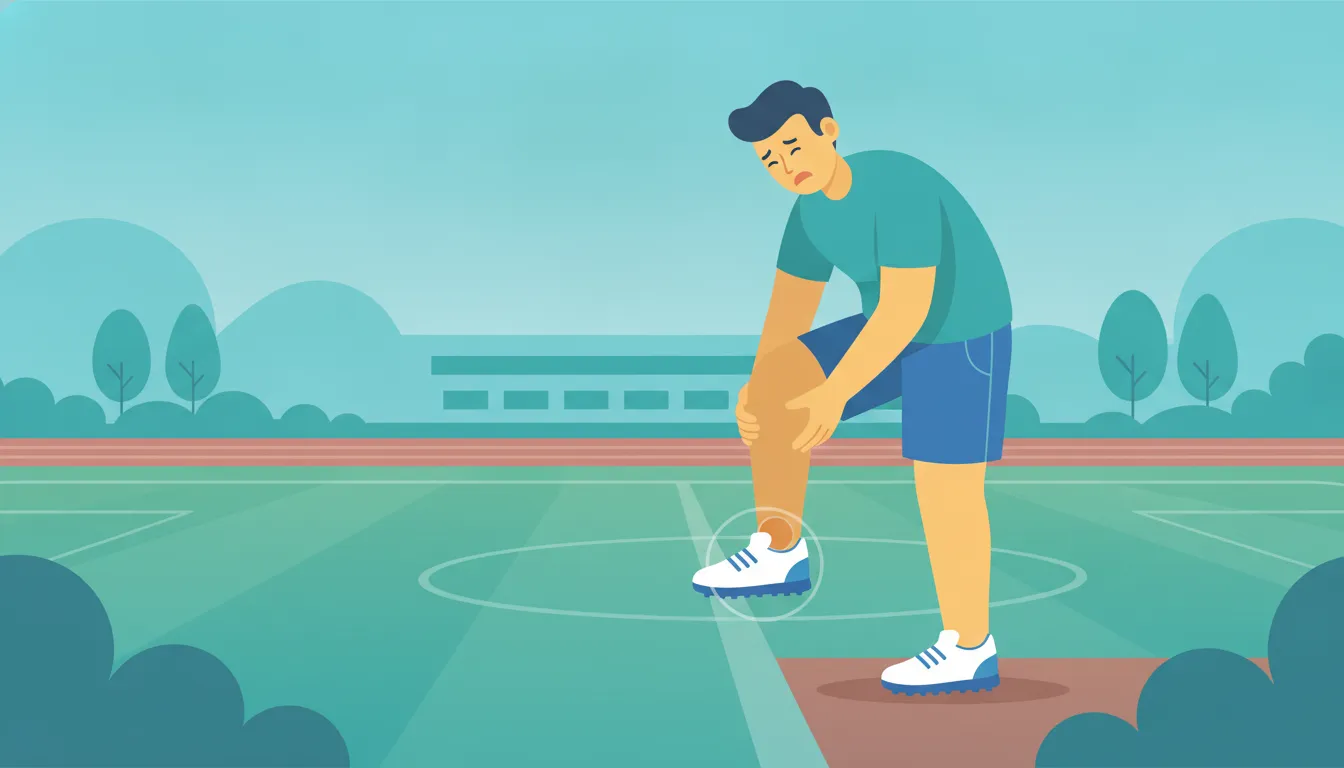
Turf toe is a sprain of the first metatarsophalangeal joint, usually called the big toe MTP joint. The injury affects the plantar complex, a group of soft tissues beneath and around the joint that helps stabilize the toe during push-off. It often occurs when the heel rises while the big toe stays planted and bends upward too far or too forcefully.
The name comes from its association with football and artificial turf. Turf toe can also happen in soccer, basketball, baseball, gymnastics, dance, wrestling, running, and other activities that require forceful push-off. A jammed big toe, a sudden fall forward, or repeated stress can all produce a similar injury. Turf toe is different from sesamoiditis, although both can cause pain under or around the big toe. The Foot & Ankle Group's big toe condition guide provides broader background on problems in this area.
For a medical overview, see the Cleveland Clinic turf toe guide and the Merck Manual explanation of turf toe. These sources describe turf toe as a first-MTP sprain that can range from a mild stretch to a more serious tear or dislocation.
How Do You Know How Serious Turf Toe Is?
The grade of a turf toe injury helps guide treatment. Only an examination can determine what structures are involved. Pain, swelling, bruising, loss of motion, and difficulty pushing off are useful clues. They are not a substitute for diagnosis. A clinician may use X-rays to check for a fracture. The clinician may decide whether additional imaging is needed to evaluate soft tissue.
Grade. | Typical injury pattern. | What you may notice. | Common treatment direction. |
|---|---|---|---|
Grade 1. | Soft-tissue stretch. | Localized tenderness, mild swelling, discomfort with push-off. | Activity modification, ice, protection, and supportive footwear as directed. |
Grade 2. | Partial soft-tissue tear. | More widespread pain, swelling, bruising, and painful motion. | More structured protection, possible immobilization, and rehabilitation. |
Grade 3. | Complete tear, major instability, or dislocation. | Severe pain, marked swelling, difficulty bearing weight, or an unstable joint. | Prompt specialist evaluation and possible surgical treatment. |
These categories are a framework rather than a prediction. A seemingly minor injury can stay painful when it is repeatedly loaded. A more significant injury may need protection for longer than an athlete expects. The Foot & Ankle Group can assess the injury in the context of your sport, work demands, footwear, and goals.
What Does Turf Toe Treatment Usually Include?
Good care also includes a plan for what to avoid. Repeatedly testing the toe with a sprint or jump can create a cycle of pain and guarding. That cycle may affect your stride and place extra stress on the ankle or other foot. Short-term rest is not the same as giving up activity. It is a way to create room for the injured tissues to settle before you rebuild demand.
For many grade 1 and grade 2 injuries, turf toe treatment starts by reducing stress on the joint while the irritated tissues recover. The exact plan depends on examination findings, imaging, pain level, and how much protection the toe needs. Do not force the toe through pain. Walking may still be possible even when the joint needs protection.
Stop the aggravating activity. Pause sprinting, jumping, cutting, and any movement that causes pain at the big toe joint. Use pain and swelling as signals to reduce loading.
Control early symptoms. Rest, cold therapy, and elevation may help reduce discomfort and swelling. Use cold packs with a protective layer and follow clinician guidance, especially if you have reduced sensation or circulation problems.
Protect the joint. A stiff-soled shoe, taping, orthotic, walking boot, or crutches may be recommended based on the injury. Do not improvise prolonged immobilization without an evaluation.
Discuss medication safely. A clinician or pharmacist can help determine whether an over-the-counter pain reliever is appropriate for you. Medical history, allergies, kidney disease, stomach problems, blood thinners, and other medicines can change what is safe.
Restore movement and strength. Once the joint is ready, physical therapy or a clinician-directed exercise program can address stiffness, calf and foot strength, balance, and controlled push-off.
Consider surgery when indicated. Surgery is not needed for most turf toe injuries. A complete tear, fracture, dislocation, or persistent instability may require a surgical discussion. Symptoms that do not respond to appropriate conservative care may also need review. The Foot & Ankle Group's sports medicine and injury services include evaluation and treatment planning for foot and ankle injuries.
Avoid using a brace or tape as permission to keep competing. Protection is meant to reduce stress, not hide symptoms while the injury worsens. The goal is a stable, comfortable joint that can tolerate activity again.
When Should You See a Podiatrist for Turf Toe?
Seek timely foot and ankle care when the pain is more than mild, the toe is visibly swollen or bruised, or walking and push-off are difficult. Prompt evaluation is particularly important after a forceful injury, when the joint looks out of place, or when you cannot bear weight. A specialist can distinguish turf toe from a fracture, dislocation, or sesamoid injury. The examination can also identify another cause of big toe pain.
You felt a pop or sudden tearing sensation.
The big toe joint looks crooked, unstable, or dislocated.
You cannot take normal steps or push off without significant pain.
Swelling or bruising is substantial or continues to increase.
Pain remains unchanged or worsens after several days of protection.
You have numbness, unusual color or temperature changes, or an open wound.
You have diabetes, neuropathy, poor circulation, or another condition that makes foot injuries higher risk.
You are an athlete who needs a clear return-to-play plan instead of guessing when to resume activity.
In Our Expert Opinion, an evaluation is worthwhile when the injury changes how you walk or prevents normal push-off. Waiting for a serious injury to become obvious can allow stiffness, weakness, or instability to become harder to address.
How Can You Return to Activity After Turf Toe?
Return to activity should be gradual and symptom-guided. A calendar alone cannot tell you whether the plantar complex is ready for forceful push-off. Before progressing, you should be able to walk comfortably in supportive footwear and move the toe as directed. You should also complete the current rehabilitation level without a flare-up during the activity or later that day.
Start with protected daily movement. Walk only as much as your clinician allows. Keep the toe supported if recommended, and watch for increased pain or swelling afterward.
Build comfortable walking tolerance. Progress distance and normal gait before testing higher-impact exercise. You should not limp or consciously avoid pushing through the big toe.
Add low-impact conditioning. When walking is comfortable, your care team may approve options that limit toe-off, such as selected cycling or pool activities. Stop if symptoms rise.
Reintroduce linear activity. Begin with controlled, low-intensity jogging or sport-specific drills only when you can complete the prior step without pain, swelling, or loss of motion.
Test acceleration and direction changes last. Sprinting, cutting, jumping, and rapid push-off place more stress on the big toe. Add one demand at a time instead of returning to a full practice.
Use the next-day check. A return-to-activity step was too aggressive if pain, swelling, stiffness, or limping is clearly worse later that day or the next morning. Step back and contact your care team if symptoms persist.
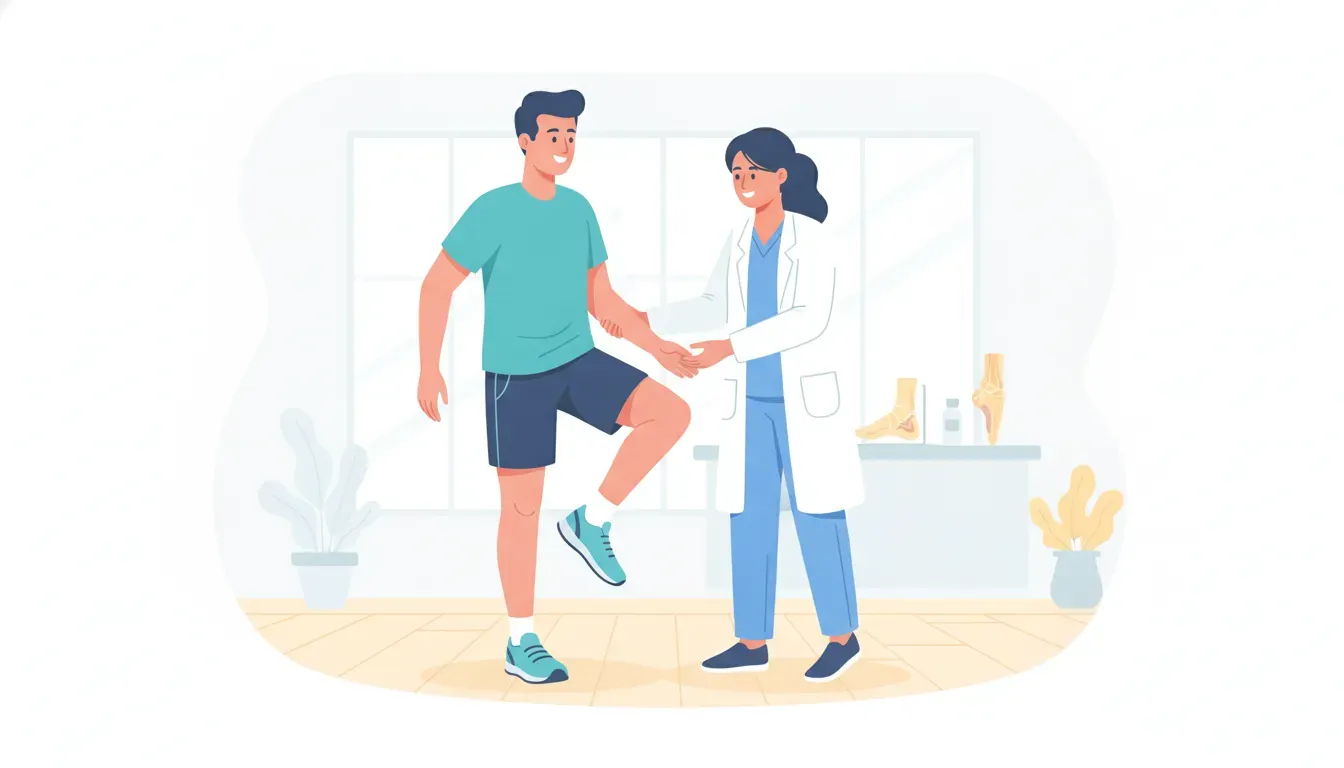
A gradual return plan should match your symptoms, examination findings, and activity demands.
Supportive footwear can reduce bending at the big toe during early activity. Your clinician may also recommend an orthotic or a stiff sole when appropriate. The Foot & Ankle Group's sports podiatry care guide explains how evaluation and activity planning can support active feet and ankles.
Contact The Foot & Ankle Group for a personalized turf toe treatment plan.
Frequently Asked Questions About Turf Toe Treatment
What is the fastest way to heal turf toe?
The safest way to support healing is to stop the activity that caused pain, protect the joint, and follow a plan based on the injury's severity. Rest, cold therapy, elevation, supportive footwear, and clinician-directed rehabilitation may help. Trying to accelerate recovery by returning to sprinting or jumping too soon can prolong symptoms.
Can you treat turf toe at home?
Mild symptoms may improve with short-term activity modification, protection, cold therapy, and elevation, but home care cannot grade the injury. Seek evaluation for severe pain, significant bruising or swelling, inability to bear weight, instability, numbness, or symptoms that are not steadily improving.
What does a grade 2 turf toe injury feel like?
A grade 2 injury generally involves a partial soft-tissue tear and can cause more widespread tenderness, swelling, bruising, and painful big toe motion than a mild stretch. Only an examination can confirm the grade and determine whether a boot, taping, orthotic, therapy, or additional imaging is appropriate.
What happens if turf toe goes untreated?
An injury that is repeatedly loaded before it heals may lead to ongoing pain, stiffness, weakness with push-off, or instability. Persistent symptoms can also reflect a fracture or more serious soft-tissue injury that was not recognized. If your toe is not improving with protection, arrange a foot and ankle evaluation.
How long does turf toe take to heal?
Healing time varies with the grade of injury, treatment, activity demands, and whether complications are present. Mild injuries may settle relatively quickly, while partial tears and complete injuries can require substantially longer protection and rehabilitation. Your clinician should set the progression instead of relying on a universal timeline.
Can you play sports with turf toe?
Playing through turf toe is not recommended when running, jumping, cutting, or push-off causes pain or changes your gait. Return when you can complete a gradual progression without a symptom flare-up and your clinician or physical therapist agrees that the joint is ready for sport-specific demands.
What Should You Do Next?
Turf toe treatment works best when the injury is protected early and activity is rebuilt in stages. If your pain, swelling, gait, or push-off has not clearly improved, do not keep testing it at practice. The Foot & Ankle Group serves patients across Philadelphia and South Jersey with evaluation and treatment planning for foot and ankle injuries.
Your next step depends on the injury, not just the number of days since it happened. Bring details about the movement that caused the pain, changes in swelling or bruising, and activities you need to resume. This information helps the clinician understand your symptoms and discuss a practical plan.
Protect the toe from painful bending and high-impact activity.
Choose supportive footwear and follow any clinician-directed restrictions.
Arrange an evaluation if symptoms are severe, worsening, unstable, or slow to improve.
Call or contact The Foot & Ankle Group to discuss your next step.