Date:
Editor:
That persistent "pins and needles" feeling in your toes. The burning sensation that keeps you up at night. Or maybe it's a growing numbness that makes you feel unsteady on your feet. These aren't just minor annoyances; they are common signs of peripheral neuropathy. Living with this condition can be frustrating and isolating, but you don't have to manage it alone. Finding the right treatment of peripheral neuropathy of the feet is about more than just masking symptoms. It’s about creating a comprehensive plan to improve your daily comfort and protect your long-term health. This guide will walk you through the options.
Key Takeaways
Connect Symptoms to Their Source: Persistent tingling, numbness, or burning pain in your feet are key signs of neuropathy. This nerve damage is often caused by an underlying issue, such as diabetes or a vitamin deficiency, so identifying the root cause is essential for effective treatment.
Combine Treatments for the Best Results: Managing neuropathy isn't about a single fix; it's about a complete strategy. The most effective plans combine medical treatments with daily lifestyle changes, like a nerve-healthy diet and proper footwear, to address pain from all angles.
Prioritize Early Action and Daily Foot Care: Don't ignore nerve pain or wait for it to worsen. Seeking a professional diagnosis early is critical for preventing further damage, and simple daily habits, like checking your feet for sores, are your best defense against complications.
What Is Peripheral Neuropathy of the Feet?
"Peripheral neuropathy" might sound like a complex medical term, but it simply refers to damage affecting the nerves outside of your brain and spinal cord. These nerves form your peripheral nervous system, a vast communication network that connects your central nervous system to your limbs and organs. When these nerves are damaged, the signals they send can get scrambled, weakened, or lost entirely. This can interfere with everything from muscle control to your sense of touch. While peripheral neuropathy can affect nerves anywhere, it very commonly impacts the feet, leading to a range of uncomfortable and sometimes painful symptoms.
How Does It Affect Your Feet?
So, what is actually happening to the nerves? Neuropathy in the feet typically occurs in one of two ways. Sometimes, the protective coating around the nerves, called myelin, starts to break down. You can think of it like the plastic insulation wearing off an electrical wire, causing the signal to short-circuit. Other times, the main part of the nerve cell itself begins to degenerate and die. Because the nerves running to your feet and legs are the longest in your body, they are often the first to show signs of this damage. This is why symptoms frequently start in the toes or feet before appearing elsewhere.
Recognizing the Symptoms
The symptoms of foot neuropathy can vary, but they most often affect your sense of feeling. You might notice a persistent tingling, often described as "pins and needles," or a growing numbness that makes it hard to feel touch, temperature, or the texture of the ground beneath you. This loss of sensation can also lead to poor balance and a feeling of clumsiness. For many people, the most challenging symptom is pain. This can feel like a burning, stabbing, or shooting sensation that happens without any clear cause. If these feelings sound familiar, it's important to get them checked out. Our team of expert physicians can help diagnose the issue and create a plan to manage your symptoms.
What Causes Peripheral Neuropathy in the Feet?
Peripheral neuropathy isn't one single disease. It’s a general term for damage to the nerves outside of your brain and spinal cord, particularly those in your hands and feet. Think of it as a disruption in the communication line between your feet and your brain. Understanding what’s causing this disruption is the first step toward finding relief. The reasons for nerve damage are surprisingly varied, ranging from underlying health conditions to lifestyle factors. Let's walk through some of the most common culprits.
Diabetes and Nerve Health
The most frequent cause of peripheral neuropathy is diabetes, especially Type 2. When blood sugar levels are consistently high, they can injure the delicate nerve fibers throughout your body, starting with the longest ones that extend to your feet. This is why tingling, burning, or numbness often begins in the toes. For anyone with diabetes, carefully managing blood sugar levels is the most important thing you can do to protect your nerves from further damage and manage your symptoms. Consistent monitoring and working with your doctor are key to keeping your nerves as healthy as possible.
Nutritional Deficiencies
Your nerves need the right fuel to function properly. A lack of certain vitamins and minerals can lead to significant nerve damage over time. Deficiencies in B vitamins, especially B12, B6, B1, and B9 (folate), are common triggers for neuropathy. Vitamin E and copper are also essential for nerve health. Interestingly, while a lack of vitamin B6 is a problem, getting too much of it from supplements can also cause neuropathy. This is why it’s so important to talk with a healthcare provider before starting any new vitamin regimen.
Autoimmune Diseases, Infections, and Trauma
Sometimes, the body’s own defense system is the problem. In autoimmune diseases like lupus or rheumatoid arthritis, the immune system mistakenly attacks and damages the nerves. Certain infections can also be to blame. Viruses like shingles and HIV or bacteria from conditions like Lyme disease can all lead to neuropathy. Finally, direct physical trauma can cause nerve damage. A severe injury, a fracture, or even pressure from a cast or repetitive motion can stretch, compress, or sever nerves in your feet and ankles, leading to lasting pain and numbness.
Medications, Toxins, and Genetic Factors
What you put into your body can also have a direct impact on your nerve health. Certain medications, most notably chemotherapy drugs used for cancer treatment, are known to cause peripheral neuropathy. Exposure to environmental toxins like heavy metals (lead and mercury) or industrial chemicals can also be a factor. In other cases, the cause is genetic. Conditions like Charcot-Marie-Tooth disease are inherited and affect the structure and function of peripheral nerves. A thorough review of your medical history can help your podiatrist pinpoint the specific cause of your symptoms.
Medical Treatments for Foot Neuropathy
When home remedies and lifestyle changes aren't enough to manage your foot neuropathy, it’s time to discuss medical treatments with a professional. Finding the right solution starts with a comprehensive plan that targets both the symptoms, like pain and numbness, and the underlying cause of the nerve damage. Because neuropathy can stem from so many different issues, the right approach for you will depend entirely on your specific diagnosis, the severity of your symptoms, and your overall health. There is no one-size-fits-all fix, which is why personalized care is so important.
The main goal of any medical intervention is to provide lasting relief and improve your quality of life, so you can get back to doing the things you love. This might involve a single treatment or a combination of different therapies working together. Some treatments focus on reducing the pain signals your nerves are sending, while others aim to address the root issue, like a vitamin deficiency or direct pressure on a nerve. Our team offers a wide range of services to accurately diagnose and treat neuropathy, ensuring you receive care that is tailored to your unique situation. Working with a specialist is the best way to find a sustainable path toward feeling better.
Prescription Medications and Topical Creams
One of the most common ways to manage neuropathy pain is with medication. Your doctor has several options, and the choice often depends on what’s causing your nerve issues. These aren't just limited to pills; treatment can come in the form of injections, patches that slowly release medication, or topical creams you apply directly to your feet. Creams containing ingredients like capsaicin or lidocaine can provide localized relief for milder pain by numbing the area or reducing pain signals at the source. Your podiatrist will help you find the right medication and delivery method that works for your lifestyle and provides the most effective treatment.
Anticonvulsants and Antidepressants for Nerve Pain
It might sound surprising, but some of the most effective medications for nerve pain were originally developed to treat other conditions like seizures and depression. Anti-seizure medicines, such as gabapentin and pregabalin, are often prescribed because they can calm down damaged, overactive nerves that are sending faulty pain signals to your brain. Similarly, certain types of antidepressants, like amitriptyline and duloxetine, can interfere with the chemical processes in your brain and spinal cord that cause you to feel neuropathic pain. These medications can be a game-changer for people dealing with chronic nerve pain, especially when it's related to diabetes.
TENS Therapy and Spinal Cord Stimulation
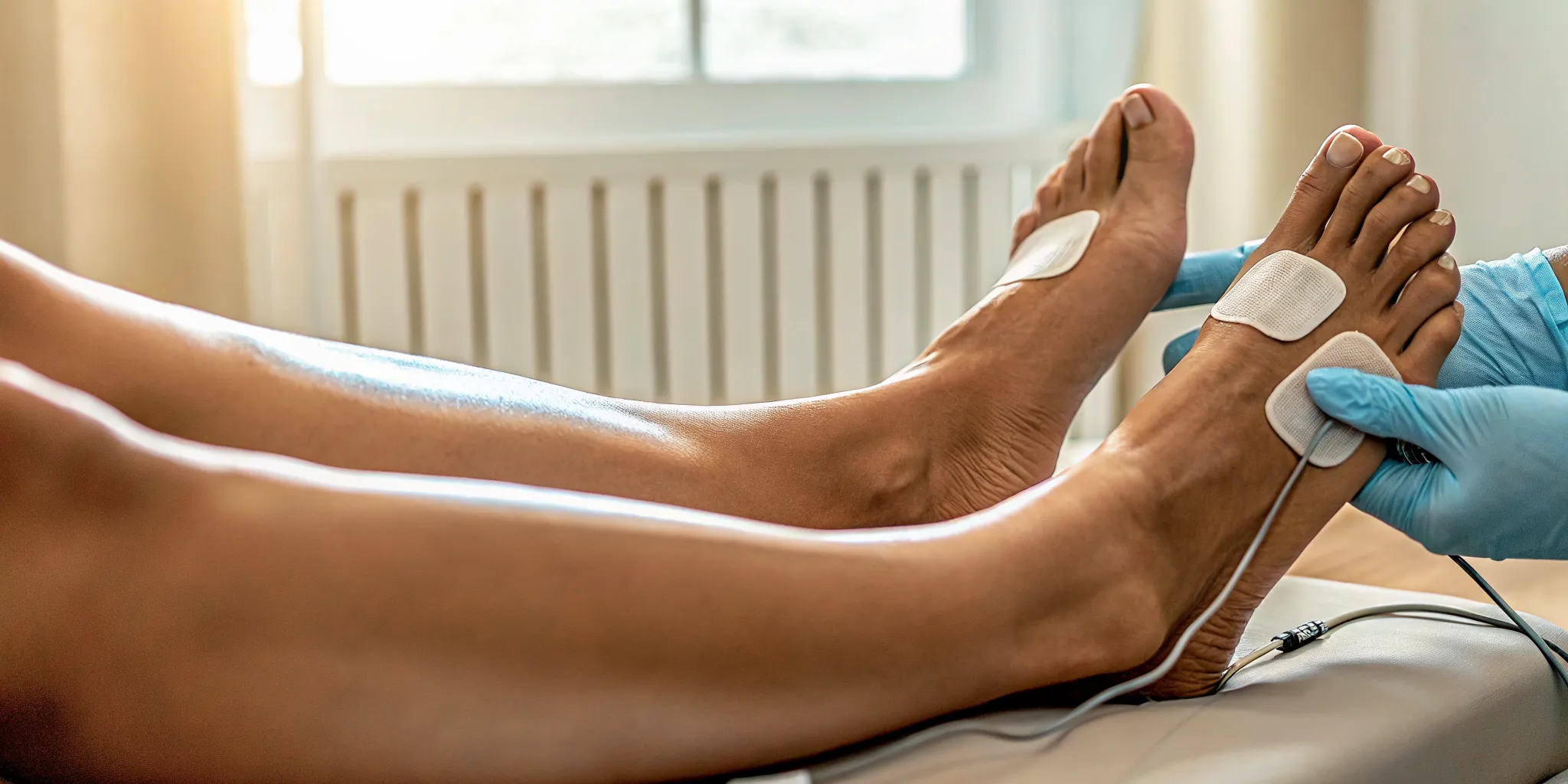
Beyond medication, your doctor might recommend therapies that use electrical impulses to manage pain. Transcutaneous electrical nerve stimulation (TENS) is a non-invasive option where a small, battery-operated device sends a gentle electrical current through electrodes placed on the skin near the painful area. This can help disrupt the pain signals traveling to your brain, providing temporary relief. For more severe, persistent pain that doesn’t respond to other treatments, spinal cord stimulation may be an option. This involves implanting a small device that delivers electrical pulses to the spinal cord to block pain signals. Our expert physicians can help determine if you are a candidate for these advanced therapies.
Is Surgery an Option?
Surgery is generally not the first line of defense for peripheral neuropathy, but it can be the right solution in specific situations. If your neuropathy is caused by direct pressure on a nerve from something like a tumor, a herniated disc, or scar tissue, surgery to relieve that pressure may be recommended. In cases of nerve damage from an injury, a surgeon might be able to repair or reconnect the nerve to restore function and reduce pain. The key is identifying a clear, correctable structural problem. A thorough evaluation is the only way to know if surgery could help you, so scheduling an appointment for a proper diagnosis is the most important first step.
Exploring Alternative and Complementary Treatments
When you're living with nerve pain, it’s natural to look for every possible source of relief. Beyond prescription medications and medical procedures, many people explore complementary treatments to add to their care plan. While some of these options show promise, it's important to approach them with a clear understanding of the evidence and in partnership with your healthcare provider. Think of these as potential additions to your treatment, not replacements for it. Let's look at a few common options.
Acupuncture for Nerve Pain
You’ve probably heard of acupuncture, a practice that involves placing very thin needles into specific points on the body. The goal is to stimulate these points, which some believe can help rebalance energy flow and trigger the body's natural painkillers. For peripheral neuropathy, some people find that acupuncture sessions help reduce their symptoms, like tingling and pain. While the research is still developing, it's considered a generally safe option when performed by a licensed and experienced practitioner who uses sterile, single-use needles. If you're curious, it’s worth discussing whether it could be a helpful part of your pain management strategy.
Helpful Supplements and Creams
Walking down the vitamin aisle can be overwhelming, but certain supplements have gained attention for nerve health. Alpha-lipoic acid, an antioxidant, has been used in Europe to help with nerve pain, particularly for people with diabetes. Benfotiamine, a form of vitamin B1, is another one sometimes recommended. However, it's critical to proceed with caution. For example, some supplements like alpha-lipoic acid can affect your blood sugar levels, which requires careful monitoring. Never start taking a new supplement without first getting professional medical advice, as they can interact with your current medications or health conditions.
Evaluating the Evidence
So, do these alternative treatments work? The honest answer is: it varies. While some individuals report significant relief from therapies like acupuncture or certain supplements, the scientific evidence for many of them isn't as strong or consistent as it is for standard medical treatments. The most important takeaway is to be an informed and proactive patient. Always talk with your podiatrist before trying any new treatment. We can help you understand the potential benefits and risks, ensure it won’t interfere with your current care plan, and make sure you’re making the safest choice for your health. You can schedule an appointment with us to discuss all your options.
How Orthotics and Proper Footwear Can Help
Managing neuropathy often involves a mix of medical treatments and lifestyle adjustments. One of the most direct ways you can support your feet and reduce daily discomfort is by paying close attention to what you put on them. The right footwear and custom supports don't just feel better; they can fundamentally change how your feet interact with the ground, protecting them from further damage and providing significant pain relief. Let's look at two key tools in your comfort toolkit: custom orthotics and properly fitted shoes.
Use Custom Orthotics for Pain Relief
When you hear "orthotics," you might think of simple arch supports, but for neuropathy, they do so much more. Custom orthotics are medical devices designed specifically for your feet to redistribute pressure and provide cushioning where you need it most. This is crucial for neuropathy, as it helps take the load off sensitive, painful areas. Research has shown that patients using custom-made orthotics experience reduced pain levels and improved foot function. By creating a supportive base that’s tailored to your unique foot structure and pressure points, orthotics can make walking and standing much more comfortable.
Find the Right Shoes for Neuropathy
The shoes you wear every day are your first line of defense against neuropathy pain and potential injury. Because neuropathy can reduce sensation, a small blister can go unnoticed and become a serious problem. Choosing the right footwear is essential for prevention. Look for shoes with a wide toe box that gives your toes plenty of room to move without being squeezed. Soft, flexible materials, good cushioning, and solid arch support are also key features. A proper fit is non-negotiable. A shoe that’s too tight can create pressure points, while one that’s too loose can cause friction. Our expert podiatrists can help you find the perfect fit and recommend brands that work well for sensitive feet.
Lifestyle Changes to Manage Your Symptoms
While medical treatments are essential, the choices you make every day have a powerful impact on your neuropathy symptoms. Making thoughtful lifestyle adjustments can help reduce pain, improve your overall well-being, and slow the progression of nerve damage. Think of these changes not as restrictions, but as proactive steps you can take to care for your body and regain a sense of control. By focusing on what you eat, how you move, and how you manage your overall health, you can create a strong foundation for your treatment plan.
Eat for Nerve Health
What you eat directly fuels your entire body, including your nerves. A balanced diet rich in fruits, vegetables, lean proteins, and whole grains provides the essential vitamins and minerals your nerves need to function properly. It’s not about a perfect diet, but rather a consistent effort to nourish your body well.
Ensuring you get enough B vitamins is especially important, as a Vitamin B12 deficiency can directly lead to nerve damage. If you’re concerned about your nutritional intake, we can discuss your diet and determine if supplements or other changes might be right for you. Simple swaps, like choosing whole-grain bread over white or adding a side of leafy greens to your dinner, can make a real difference over time.
Stay Active Safely
When your feet hurt, exercise might be the last thing on your mind. However, gentle, regular movement is one of the best things you can do for neuropathy. Physical activity increases blood flow to your feet, which can help reduce pain and improve muscle strength. The key is to choose activities that are kind to your joints.
Low-impact exercises like walking, swimming, or cycling are excellent choices. Many people also find relief and improved balance with practices like yoga and tai chi. These activities not only help with physical symptoms but can also reduce stress. Focusing on exercises that challenge your balance can also help prevent falls, a common risk for those with numbness in their feet. If you're unsure where to start, our physicians can help you create a safe and effective plan.
Manage Underlying Health Conditions
Often, peripheral neuropathy is a symptom of another health issue. If your neuropathy is linked to a condition like diabetes, one of the most impactful things you can do is manage that underlying cause. Keeping your blood sugar levels in a healthy range is critical for preventing further nerve damage and can even help lessen your current symptoms.
This involves working closely with your primary care doctor or endocrinologist to monitor your levels and follow your treatment plan. It also ties back to diet and exercise. Maintaining a healthy weight and staying active are cornerstones of managing many chronic conditions that contribute to neuropathy. Taking control of your overall health is a direct way to take control of your nerve pain.
Limit Alcohol and Quit Smoking
Some lifestyle habits can directly harm your nerves, and it’s important to address them head-on. Excessive alcohol consumption is toxic to nerve tissue and can worsen the tingling, numbness, and pain associated with neuropathy. If you drink, consider cutting back significantly or stopping altogether to give your nerves a chance to heal.
Similarly, smoking is particularly damaging. It constricts your blood vessels and impairs circulation, preventing your nerves from getting the oxygen and nutrients they need. Quitting smoking can improve blood flow throughout your body, which is a crucial step in managing neuropathy symptoms and protecting your long-term health. We know these changes can be difficult, and we are here to support you with resources and guidance.
Daily Foot Care Habits That Make a Difference
When you're living with peripheral neuropathy, your feet need a little extra attention. Because nerve damage can reduce sensation, you might not feel a small cut or blister until it becomes a more serious problem. Creating a simple daily foot care routine is one of the most powerful things you can do to protect your health and prevent complications. These habits don't take much time, but they make a huge difference in keeping your feet safe, healthy, and comfortable. Think of it as a few minutes of self-care that pays off in long-term wellness and peace of mind.
Inspect Your Feet Daily
Make it a habit to check your feet every single day, especially if you have diabetes. Since you may not feel pain from an injury, a daily visual inspection is your first line of defense. The best time is often after a bath or before you go to bed. Look over the tops and bottoms of your feet, your heels, and the spaces between your toes. If you have trouble seeing the bottoms of your feet, use a mirror or ask a family member for help. You’re looking for any cuts, blisters, sores, redness, or swelling. If you find anything that concerns you, it’s important to get it checked out by one of our physicians right away.
Keep Your Feet Clean and Moisturized
Good hygiene is essential for preventing skin breakdown and infections. Wash your feet every day using lukewarm water and a mild soap; water that’s too hot can burn your skin without you realizing it. After washing, pat your feet completely dry with a soft towel, paying special attention to the area between your toes where moisture can lead to fungal infections. Once your feet are dry, apply a thin layer of lotion to the tops and bottoms to keep the skin soft and prevent it from cracking. Avoid putting lotion between your toes. This simple routine helps maintain your skin's integrity, which is a key part of your overall health and wellness.
Protect Your Feet from Injury
Protecting your feet starts with being mindful and choosing the right footwear. Never go barefoot, even around the house. A simple pair of slippers can protect you from stepping on something sharp. Before you put on your shoes, always check inside them for any pebbles, rough seams, or other objects that could irritate your skin. When it comes to shoes, comfort and support are key. Look for footwear with a wide toe area and good cushioning. As one expert notes, "You don't need special orthopedic shoes," just ones that fit well and don't cramp your toes. If you're struggling to find comfortable shoes, our team can help with recommendations and discuss if custom orthotics are a good option for you.
Why You Need a Comprehensive Treatment Plan
When you're dealing with the tingling, numbness, or pain of peripheral neuropathy, your first instinct is probably to find something that makes it stop. While symptom relief is definitely a priority, a truly effective approach goes much deeper. A comprehensive treatment plan is about looking at the whole picture of your health to manage your neuropathy for the long term. It’s a partnership between you and your podiatrist, focused not just on how you feel today, but on protecting your nerve health for years to come. This strategy involves identifying the root of the problem and consistently monitoring your progress.
Treat the Cause, Not Just the Symptoms
Think of your neuropathy symptoms as a warning light on your car's dashboard. You could just put a piece of tape over the light, but that doesn't fix the engine problem. Similarly, while medications can help manage the pain, the best long-term strategy is to treat the underlying cause of the nerve damage. A thorough podiatrist will work to figure out what’s triggering your neuropathy, whether it’s an underlying condition like diabetes, a nutritional deficiency, or something else. Addressing the root issue gives you the best chance to slow the progression of the neuropathy, and in some cases, even improve your symptoms.
The Value of Regular Check-Ins
Managing peripheral neuropathy is a dynamic process, not a static one. Your symptoms and needs can change over time, which is why regular check-ins with your podiatrist are so important. These appointments allow your doctor to track your progress, see how you’re responding to treatment, and make adjustments as needed. Early and consistent care can make a huge difference in preventing further nerve damage. If you notice any new or worsening symptoms, don't wait. Reporting these changes promptly helps your care team stay ahead of any issues. Building an ongoing relationship with a podiatrist you trust is key to feeling your best, so be sure to schedule regular appointments to stay on top of your foot health.
When to See a Podiatrist for Nerve Pain
It’s easy to brush off foot pain as something you just have to live with, but when it comes to nerve pain, waiting is not the best strategy. While managing your symptoms at home is a great start, getting a professional diagnosis is the most important step you can take. A podiatrist can identify the root cause of your pain and create a treatment plan that prevents further damage and gives you lasting relief.
Warning Signs That Require Immediate Attention
If you’re experiencing symptoms of neuropathy, it’s best to see a doctor as soon as you can. Early treatment can sometimes limit or even reverse nerve damage. Don't ignore persistent tingling, burning, or numbness in your feet. Other red flags include a sudden loss of balance, sharp stabbing pains that come and go, or a feeling like you’re wearing socks when you’re barefoot. If you notice a cut or sore on your foot that isn’t healing, that’s another critical sign to get checked out immediately. These symptoms are your body’s way of telling you something is wrong, and listening to it is key. If any of this sounds familiar, it's time to schedule an appointment.
Why Early Diagnosis Is Key
Getting an early and accurate diagnosis is about more than just putting a name to your pain; it’s about protecting your future health. While peripheral neuropathy isn't typically life-threatening, some severe symptoms can become serious if left untreated. A podiatrist can perform a thorough evaluation to figure out what’s going on. This process may involve a physical exam, questions about your medical history, and sometimes tests like an MRI or nerve studies. Pinpointing the cause allows us to create a targeted treatment plan. Our goal is to slow the progression of the condition and effectively manage your symptoms with our comprehensive podiatry services.
What to Expect at Your First Appointment
Knowing what to expect can make that first visit feel less intimidating. Your appointment will start with a simple conversation. Your doctor will want to hear about your symptoms, your lifestyle, and your family's medical history. Be ready to talk about your diet, any medications you take, and your daily activities. Next, your podiatrist will perform a physical and neurological exam. They will check your reflexes, muscle strength and tone, your ability to feel different sensations, and your posture and balance. This thorough, hands-on approach helps our expert physicians get a complete picture of your nerve health so they can guide you toward the best possible treatment.
Related Articles
Frequently Asked Questions
Can peripheral neuropathy be cured? This is the big question, and the answer depends on the cause. If your neuropathy is from a treatable condition, like a vitamin deficiency or pressure on a nerve, addressing that root cause can sometimes stop or even reverse the nerve damage. For many people, especially when the cause is a chronic condition like diabetes, the focus shifts to management. While we may not be able to completely eliminate the damage, a comprehensive treatment plan can effectively manage your pain, prevent the neuropathy from getting worse, and help you maintain a full and active life.
I have tingling in my feet. What's the first thing I should do? The most important first step is to get a professional diagnosis. While it's tempting to search for answers online, symptoms like tingling and numbness can stem from many different issues. The only way to know for sure what's going on and get the right treatment is to see a specialist. A podiatrist can perform a thorough evaluation to pinpoint the cause of your symptoms and create a personalized plan to protect your nerve health for the long term.
Why would my doctor suggest an antidepressant for my foot pain? It can sound strange, but certain medications originally developed as antidepressants or anti-seizure drugs are some of the most effective tools we have for nerve pain. They work by changing the way your central nervous system processes pain signals. Instead of just masking the pain, they can calm the overactive nerves that are sending faulty messages to your brain. This helps to reduce the burning, stabbing, or shooting sensations that are so common with neuropathy.
Are alternative treatments like acupuncture or certain supplements safe to try? Many people are curious about complementary options, and some find them helpful for managing symptoms. However, it is absolutely critical to talk with your podiatrist before starting any new supplement or therapy. Some supplements can interact with your medications or affect other health conditions, and it's important to ensure any practitioner you see, like an acupuncturist, is licensed and qualified. We can help you weigh the potential benefits and risks to make sure any treatment you try is a safe addition to your overall care plan.
Besides medical treatment, what is the most important thing I can do for my feet every day? Your daily habits are your best defense against the complications of neuropathy. The single most important practice is to inspect your feet every single day for cuts, blisters, or sores that you might not be able to feel. The second is to never go barefoot, even inside your home. Always wear well-fitting, protective shoes or slippers. These two simple actions can dramatically reduce your risk of developing a minor issue that could become a serious infection or wound.