Your Guide to Treatment for Achilles Rupture
Date:
Editor:
When you’re injured, everyone seems to have an opinion. Your cousin who had a similar injury, your friend who read an article online, and even your own internet searches can leave you with a mix of conflicting advice. One of the biggest myths about a torn Achilles is that surgery is your only real option for a full recovery. That simply isn’t true anymore. Modern medicine offers highly effective nonsurgical pathways that can be just as successful for the right person. This guide is here to cut through the noise, debunk common misconceptions, and give you clear, reliable information. We’ll explain the pros and cons of every treatment for achilles rupture so you can feel empowered and informed.
Key Takeaways
Act on the signs immediately: A sudden pop, sharp pain, and difficulty walking are classic signs of a rupture. This is not a "wait and see" injury, so getting a prompt evaluation from a specialist is essential for a successful recovery.
Choose a treatment that fits your life: Surgery is not the only answer for an Achilles rupture. The best path forward, whether surgical or nonsurgical, is a collaborative decision made with your doctor that considers your activity level, overall health, and recovery goals.
Commit to your rehabilitation: Recovery is a gradual process, and your success hinges on your dedication to physical therapy. Following your structured plan is essential for rebuilding strength, restoring your range of motion, and significantly lowering your risk of re-injury.
What Is an Achilles Tendon Rupture?
Your Achilles tendon is the largest and strongest tendon in your body. It’s a tough, fibrous cord that connects the muscles in the back of your calf to your heel bone, and it’s what allows you to walk, run, and jump. An Achilles tendon rupture is a partial or complete tear of this tendon. It’s a serious injury that requires medical attention to heal correctly.
Many people who experience a rupture report hearing a "pop" or "snap" sound, followed by a sharp pain in the back of their ankle and lower leg. It often feels like you’ve been kicked or hit in the calf. Understanding the mechanics of this injury and the factors that increase your risk is the first step toward getting the right care and preventing future problems. Our team at The Foot & Ankle Group is here to guide you through every step of your treatment and recovery.
How It Happens
An Achilles tendon rupture typically occurs when you put sudden and intense stress on the tendon. Think about activities that require quick bursts of movement: jumping to shoot a basketball, lunging for a tennis ball, or sprinting. This sudden stretching and contracting can overwhelm the tendon, causing it to tear. It’s a common injury for "weekend warriors," people who may not be consistently active but engage in strenuous sports on occasion.
However, you don’t have to be a competitive athlete to experience a rupture. The injury can also happen from something as simple as tripping over a curb, stepping into a hole, or falling from a height. Any situation that unexpectedly forces your foot upward can cause the tendon to overstretch and tear. The diagnosis and treatment process begins with understanding exactly how your injury occurred.
Who Is Most at Risk?
While an Achilles rupture can happen to anyone, certain factors can make you more susceptible. This injury is most common in people between the ages of 30 and 50, and men are significantly more likely to experience a tear than women. Athletes, particularly those in sports that involve running and jumping, are also at a higher risk.
Your overall health plays a role, too. Certain chronic conditions like diabetes and rheumatoid arthritis can weaken the tendon over time, making it more vulnerable to injury. Previous Achilles tendonitis (inflammation of the tendon) or having received steroid injections near the tendon can also increase your risk. Knowing these factors can help you and your podiatrist create a plan to protect your long-term foot and ankle health.
Signs of an Achilles Rupture
An Achilles tendon rupture isn't exactly subtle. It usually announces itself with some pretty clear and immediate signs. If you think you might have injured your Achilles, look for a few key symptoms. Recognizing them early is the first step toward getting the right care and starting your recovery journey. It’s important not to dismiss these signs, even if the initial, intense pain starts to fade. Here’s what you should watch out for.
A Sudden "Pop" and Sharp Pain
Most people who rupture their Achilles tendon feel a sudden, sharp pain in the back of their ankle or lower leg. Many describe it as feeling like they were kicked or hit in the calf, and some even hear a "pop" or snapping sound at the moment of injury. This intense pain might lessen into a dull ache after a little while, but don't let that fool you. The damage is already done. This initial event is your body's first and loudest signal that something is seriously wrong with the tendon.
Difficulty Walking or Pointing Your Toes
A telltale sign of a rupture is a sudden loss of strength in your leg. You'll likely find it impossible to push off the ground with your injured foot, which makes walking difficult. A classic indicator is the inability to stand on the toes of that leg. This happens because the tendon is no longer connected to your heel bone, so it can't help your calf muscle lift your heel. If you can't perform this simple movement, it's a strong sign that the tendon has torn.
Swelling and a Visible Gap
Shortly after the injury, you'll probably notice significant swelling around your ankle and lower calf. Bruising may also appear and spread down toward your heel. In some cases, you might even be able to see or feel a gap or indentation in the back of your leg where the tendon has torn. This gap is the physical space between the two torn ends of the tendon. If you suspect a rupture, it's best to get it checked out by one of our expert physicians who can accurately diagnose the injury.
Treating an Achilles Rupture: Surgical vs. Nonsurgical Options
When you're dealing with a torn Achilles tendon, the first question is usually, "What now?" The good news is that you have options. The two main paths are surgery and nonsurgical treatment, and the right choice for you depends on your lifestyle, health, and personal goals. There's no single "best" answer for everyone, but understanding the pros and cons of each approach is the first step toward getting back on your feet. Let's walk through what each option involves.
The Surgical Approach
If you're an athlete or a generally active person, your doctor might recommend surgery. This approach is often preferred for younger individuals who want to return to high-impact sports and reduce the chance of the tendon tearing again. During the procedure, a surgeon will stitch the two torn ends of your Achilles tendon back together. This can be done with a single, larger incision (open surgery) or through a few smaller ones (percutaneous surgery). The minimally invasive option often comes with a lower risk of infection. Our team offers expert surgical services to repair your tendon and help you start the healing process.
The Nonsurgical Approach
Surgery isn't the only path forward. A nonsurgical approach might be the better fit if you're older, have a more sedentary lifestyle, or have health conditions that make surgery a risk. This method focuses on immobilization. Your foot will be placed in a cast or a special walking boot with your toes pointed downward. This position allows the torn ends of the tendon to come together and heal naturally over time. You can expect to be in the cast or boot for about six to ten weeks. If you think this might be the right option for you, scheduling an appointment to discuss your specific situation is a great next step.
Comparing Success Rates
When you look at the numbers, surgery has historically had a lower rate of re-rupture. Some older studies found that the tendon tore again in about 3.5% of surgical cases, compared to 12.6% for nonsurgical ones. However, it's important to know that nonsurgical methods have improved a lot. Modern conservative treatment of acute Achilles tendon rupture often includes early physical therapy and the use of a functional brace or boot. This proactive approach helps improve recovery and significantly lowers the chances of re-tearing the tendon, making it a much more reliable option than it used to be.
Understanding the Risks
Every medical treatment comes with its own set of potential risks, and it's no different for an Achilles rupture. With surgery, the primary risks include infection at the incision site, potential nerve damage, and complications with wound healing. On the other hand, the main risk with nonsurgical treatment is a slightly higher chance that the tendon could rupture again. It can also sometimes lead to a longer overall recovery period. Talking through these risks with one of our experienced physicians will help you weigh the trade-offs and make a confident decision about your care plan.
How to Choose the Right Treatment for You
Deciding between surgery and a nonsurgical approach for an Achilles rupture can feel overwhelming, but you don’t have to make this choice alone. The best path forward is a collaborative decision made with your podiatrist, tailored specifically to you. There isn’t a one-size-fits-all answer; the right treatment depends on your body, your lifestyle, and your personal recovery goals.
Think of it as a partnership. Your doctor brings the medical expertise, and you bring the essential knowledge about your life and what you want to get back to doing. Together, you’ll weigh the pros and cons of each option. To get started, we’ll walk through the three main factors that will guide your conversation: your age and activity level, the severity of your injury, and your overall health. Understanding how these elements play a role will help you feel more confident and prepared as you discuss your treatment plan.
Your Age and Activity Level
Your daily routine and fitness habits are a huge part of the treatment equation. If you’re a younger, active person or an athlete who loves high-impact sports like basketball or running, surgery is often the preferred route. The main reason is that a surgical repair can lower the risk of re-rupturing the tendon down the road, offering a more durable fix for a demanding lifestyle.
On the other hand, if your daily life is more sedentary, a nonsurgical approach might be a better fit. The recovery process for both paths is intensive, and if you don't plan on returning to strenuous activities, you may be able to achieve excellent results without the risks associated with surgery. It’s all about matching the treatment to your life’s pace, and you can consult with one of our expert physicians to figure out what makes the most sense for you.
The Severity of Your Rupture
Not all Achilles ruptures are the same. The extent of the damage plays a critical role in determining the best course of action. A partial tear, where the tendon is damaged but still in one piece, may heal well with nonsurgical treatment. However, a complete rupture, where the tendon has torn into two separate pieces, is a much more serious injury.
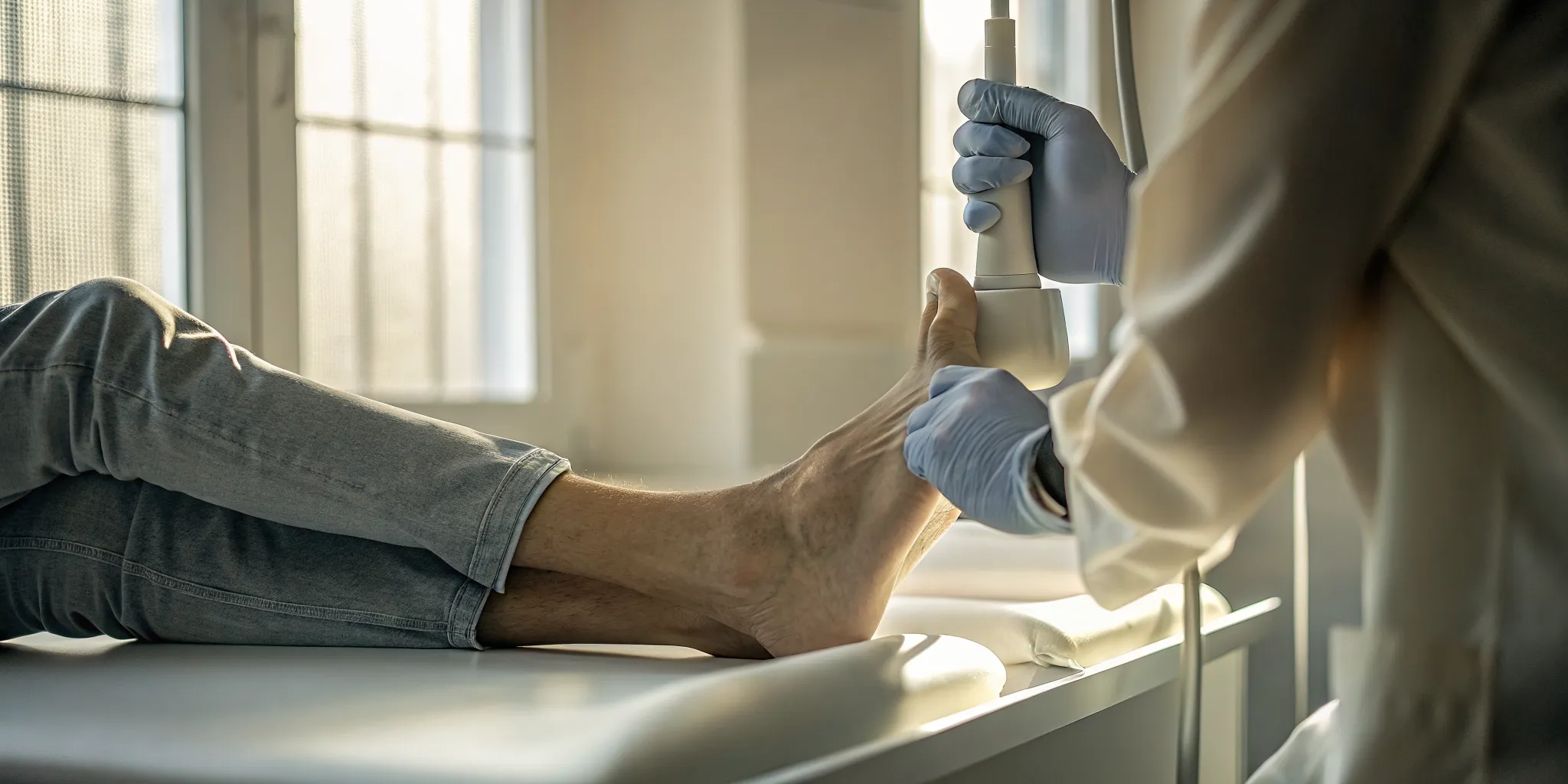
A complete tear often requires a more definitive treatment plan to ensure the tendon heals correctly and you regain full function. The location of the tear also matters, whether it’s in the middle of the tendon or right where it attaches to your heel bone. A proper diagnosis using imaging tests like an MRI or ultrasound is the first step to understanding the specifics of your injury and creating an effective plan.
Your Overall Health and Goals
Your general health is a top consideration, especially when surgery is on the table. Conditions like diabetes, circulation problems, or a history of smoking can increase the risks of surgical complications, such as infection or poor wound healing. For individuals with these health concerns, a nonsurgical approach is often the safer and more practical choice. This method avoids the risks of an operation while still focusing on a structured recovery.
Your personal goals are just as important. What does a successful recovery look like to you? Is it getting back to running marathons, or is it simply being able to play with your grandkids without pain? Be open with your doctor about your expectations. This conversation will help you both decide on a treatment that aligns with your health profile and your vision for the future. Ready to talk it over? You can schedule an appointment with our team today.
Debunking Myths About Achilles Rupture Treatment
When you’re dealing with an injury like a ruptured Achilles tendon, it’s easy to get overwhelmed by information from friends, family, and the internet. Unfortunately, a lot of that information can be outdated or just plain wrong. Let’s clear up some of the most common myths so you can feel more confident about your treatment and recovery journey.
Myth: "Surgery is the only option."
This is one of the biggest misconceptions out there. While surgery is a common and effective treatment, especially for younger, highly active people who want to return to demanding sports, it’s definitely not your only choice. Nonsurgical treatment is a very effective alternative for many individuals. It's often recommended for those who are less active or have health conditions that might make surgery riskier. The right path for you depends entirely on your personal health, lifestyle, and goals, which is something you and your podiatrist will decide together.
Myth: "Nonsurgical treatment doesn't work as well."
Not true at all. Modern nonsurgical approaches have excellent outcomes. This method typically involves wearing a special walking boot or brace that holds your foot in a specific position to allow the tendon to heal correctly. The key to success with this approach is following your rehabilitation plan closely. Consistent physical therapy and adherence to your doctor’s instructions are critical for a strong recovery and a lower chance of re-injury. When followed diligently, this conservative treatment of acute Achilles tendon rupture can be just as successful as surgery.
Myth: "You'll recover quickly."
Patience is a huge part of Achilles rupture recovery. While everyone wants to get back on their feet as soon as possible, healing a major tendon takes time. Most people can expect to be walking normally again within about three to four months. However, a complete recovery, where you feel you’ve regained your full strength and function, can take around a year or sometimes longer. It’s a marathon, not a sprint, and setting realistic expectations from the start will help you stay positive and focused on your progress.
Myth: "You'll be stuck in a cast for months."
The thought of being completely immobilized in a heavy cast is daunting, but it’s usually not the reality anymore. Whether you have surgery or not, modern treatment often involves a functional brace or a special walking boot. These devices are designed to protect the healing tendon while allowing for some controlled movement in your ankle. This approach helps prevent stiffness and muscle loss without putting your recovery at risk. It gives you a bit more freedom and makes the healing process much more manageable than the old-school plaster cast.
What to Expect During Rehabilitation
Recovering from an Achilles tendon rupture is a journey, and it happens in stages. It’s a process that requires patience, but with a structured plan, you can get back to your life and the activities you love. Your rehabilitation will be tailored to your specific needs, whether you had surgery or chose a nonsurgical path. The key is to follow the guidance of your care team, who will help you move through each phase safely. Think of it as a partnership between you and your podiatrist, working together toward the goal of a full recovery.
The Early Stages: Protection and Healing
The first step in your recovery is all about protecting the tendon so it can heal properly. Immediately after your treatment, your foot and ankle will be immobilized. You can expect to be in a cast or a walking boot for several weeks, often around six. This might feel restrictive, but it’s a crucial phase that prevents you from accidentally stretching or re-injuring the delicate, mending tissue. During this time, your main job is to rest and allow your body to begin the natural healing process. Our team will provide clear instructions on how to manage during this period and what to watch for as you heal.
Building Back Your Range of Motion and Strength
Once your podiatrist determines the tendon has healed enough, you’ll transition from immobilization to movement. This is an exciting step, but it starts slowly. You’ll begin with gentle exercises designed to restore your ankle's range of motion and flexibility. As you progress, you’ll add exercises to gradually rebuild strength in your calf and the surrounding muscles. You may still wear a special boot with heel wedges that can be removed over time, allowing the tendon to stretch safely. Following a guided rehabilitation program is essential to ensure you are strengthening the area without putting too much strain on it too soon.
Restoring Balance and Stability
As your strength and flexibility improve, your physical therapy will shift to focus on more functional movements. This phase is dedicated to restoring your balance and stability, which are often compromised after an injury and a period of immobilization. Your exercises will become more dynamic, helping you regain confidence in your foot and ankle. This is where you start to feel more like yourself again as you practice movements that mimic everyday activities. Working closely with our expert physicians ensures your program is adjusted perfectly to your progress, preparing you for the final stage of recovery.
Returning to Your Favorite Activities
This is the phase everyone looks forward to: getting back to your normal routine. The return to daily activities, work, and sports is gradual and carefully managed. Your physical therapist will help you slowly reintroduce more demanding activities, like jogging, running, and sport-specific drills. The timeline for a full return can vary widely, from four to twelve months, depending on your personal recovery and the demands of your sport. For athletes, we often perform specific tests to make sure the tendon is strong enough for high-impact movements. To discuss your personal recovery goals, you can schedule an appointment with one of our specialists.
Your Achilles Rupture Recovery Timeline
Recovering from an Achilles rupture is a marathon, not a sprint. While everyone’s healing journey is unique, understanding the general timeline can help you set realistic expectations. Your patience and commitment to rehabilitation are your biggest assets during this process. Remember, your recovery plan will be personalized by your podiatrist to fit your specific needs and goals.
Key Recovery Milestones
After your initial treatment, whether surgical or nonsurgical, you can expect to be in a cast or walking boot for about six weeks. This period is all about protecting the tendon as it begins to heal. Once the boot comes off, you’ll begin physical therapy to gradually restore your ankle's movement and strength. Most people can walk normally again within about three to four months. If you’re an athlete, you’ll likely be advised to wait around four to five months before returning to running or playing non-contact sports. These milestones are exciting, but it’s crucial not to rush the process and to follow the guidance of your care team.
Factors That Influence Your Recovery Speed
Several factors determine how quickly you’ll get back on your feet. The choice of treatment plays a big role, and this decision often depends on your age, your activity level, and the severity of the tear. For instance, a conservative approach often involves starting physical therapy early, which can improve your recovery and reduce the risk of another tear. Our expert physicians will work with you to create a treatment plan that aligns with your lifestyle and helps you heal effectively. Your overall health and how closely you follow your rehabilitation program will also have a major impact on your timeline.
Long-Term Outlook and Re-Rupture Risk
The good news is that most people can return to their previous activity level. However, it takes time. Even with dedicated treatment, it’s common to experience some long-term loss of strength in the calf muscle. Focused physical therapy is key to rebuilding as much strength as possible, with many patients feeling close to their old selves within 18 to 24 months. There is a risk that the tendon could tear again, which is why completing your full rehabilitation program is so important. Sticking with your exercises and listening to your body will give you the best chance for a strong, lasting recovery. If you have concerns about your progress, don't hesitate to schedule an appointment.
How to Prevent a Future Achilles Rupture
After going through treatment and rehabilitation, the last thing you want is to experience another rupture. The good news is that you can take proactive steps to protect your Achilles tendon for the long haul. Preventing a future injury isn't about avoiding activity; it's about building resilience and being smarter about how you move. By incorporating specific exercises and training habits into your routine, you can significantly lower your risk and get back to your life with confidence. Our team at The Foot & Ankle Group is here to guide you, but these strategies are a great place to start.
Key Stretches and Strengthening Exercises
A strong and flexible Achilles tendon is your best defense against re-injury. Your routine should focus on the calf muscles, which work hand-in-hand with your tendon. Simple calf stretches, like letting your heels hang off the edge of a stair, are fantastic for improving flexibility. You can also pull your toes gently toward your shin to get a good stretch. To build strength, a combination of exercises for tendon health like heel raises and eccentric calf raises are incredibly effective. These movements help the tendon handle the demands of daily activities and exercise, making it more resilient over time. Consistency is key, so aim to make these exercises a regular part of your week.
Adopting Smarter Training Habits
How you train is just as important as the exercises you do. One of the biggest culprits behind Achilles injuries is doing too much, too soon. It's essential to gradually increase the intensity of your workouts, giving your body time to adapt. Instead of jumping back into high-impact sports five days a week, ease into it. Cross-training is another great strategy. Mixing in low-impact activities like swimming or cycling gives your Achilles a break from repetitive stress while keeping your fitness up. Most importantly, listen to your body. If you feel pain or tightness in your Achilles area, don't push through it. A little rest and modification now can prevent a major setback later.
When to See a Podiatrist
If you’ve experienced any of the signs of an Achilles rupture, your next step is clear: you need to see a doctor right away. This isn't a "wait and see" kind of injury. Getting a prompt and accurate diagnosis is the most important thing you can do to set yourself up for a successful recovery. A suspected rupture requires an immediate evaluation by a foot and ankle specialist to determine the best path forward for your specific situation. Trying to self-diagnose or tough it out can lead to a more complicated healing process down the road.
You might be tempted to downplay the pain or hope it gets better on its own, but certain symptoms are major red flags. If you heard a "pop" sound during the injury, have severe pain and swelling near your heel, or find you can't walk properly or stand on the toes of your injured leg, it's time to make an appointment. A podiatrist can confirm what's going on and get you started on the right treatment plan. During your visit, one of our physicians will conduct a physical exam, ask about how the injury happened, and check your foot's range of motion. They can often diagnose a rupture simply by feeling for a gap in the tendon, which is a classic sign. Don't guess about your health; let a professional give you the clarity and care you need to start healing correctly.
Related Articles
Frequently Asked Questions
Can I still walk if I've ruptured my Achilles tendon? While some people find they can limp or hobble, you will not be able to walk normally. A rupture makes it nearly impossible to push off the ball of your foot, which is a key part of a normal walking stride. Attempting to walk on it can also cause more damage. The most important thing to do if you suspect a rupture is to stop putting weight on the leg and see a specialist right away for a proper diagnosis.
How will a doctor know for sure if my Achilles tendon is ruptured? A podiatrist can often diagnose a complete rupture with a physical exam. They will likely perform a simple, painless test where they squeeze your calf muscle. If the tendon is intact, your foot will automatically point downward, but if it's ruptured, your foot won't move. Your doctor may also be able to feel a distinct gap in the tendon. In some cases, an ultrasound or MRI might be used to confirm the diagnosis and see the extent of the tear.
If I don't get surgery, will my tendon be weaker? This is a common concern, but modern nonsurgical treatments are very effective. While surgery has a slightly lower rate of re-rupture, a dedicated rehabilitation plan can make the nonsurgical approach just as successful. The key is following a structured program that involves a period of immobilization followed by progressive physical therapy. This helps the tendon heal strongly and reduces the risk of it tearing again, allowing you to achieve an excellent outcome without an operation.
How long will it be before I can return to my desk job or a more physical job? Your return to work depends on your job's physical demands and your individual healing progress. If you have a desk job, you might be able to go back within a week or two, as long as you can keep your foot elevated. For more physically demanding jobs that require a lot of walking or standing, you should expect a much longer timeline. It could be several months before you are cleared to return to full duties, so it's important to have an open conversation with your doctor about your specific work requirements.
Will I be able to play sports again after my recovery? For most people, the answer is yes. The main goal of both surgical and nonsurgical treatment is to get you back to the activities you love. However, it requires patience and commitment to your rehabilitation program. A full return to high-impact sports can take anywhere from six months to a year, and it's crucial not to rush it. Your physical therapy will include sport-specific drills to ensure your tendon is strong enough to handle the stress, giving you the best chance for a safe and confident return to the game.