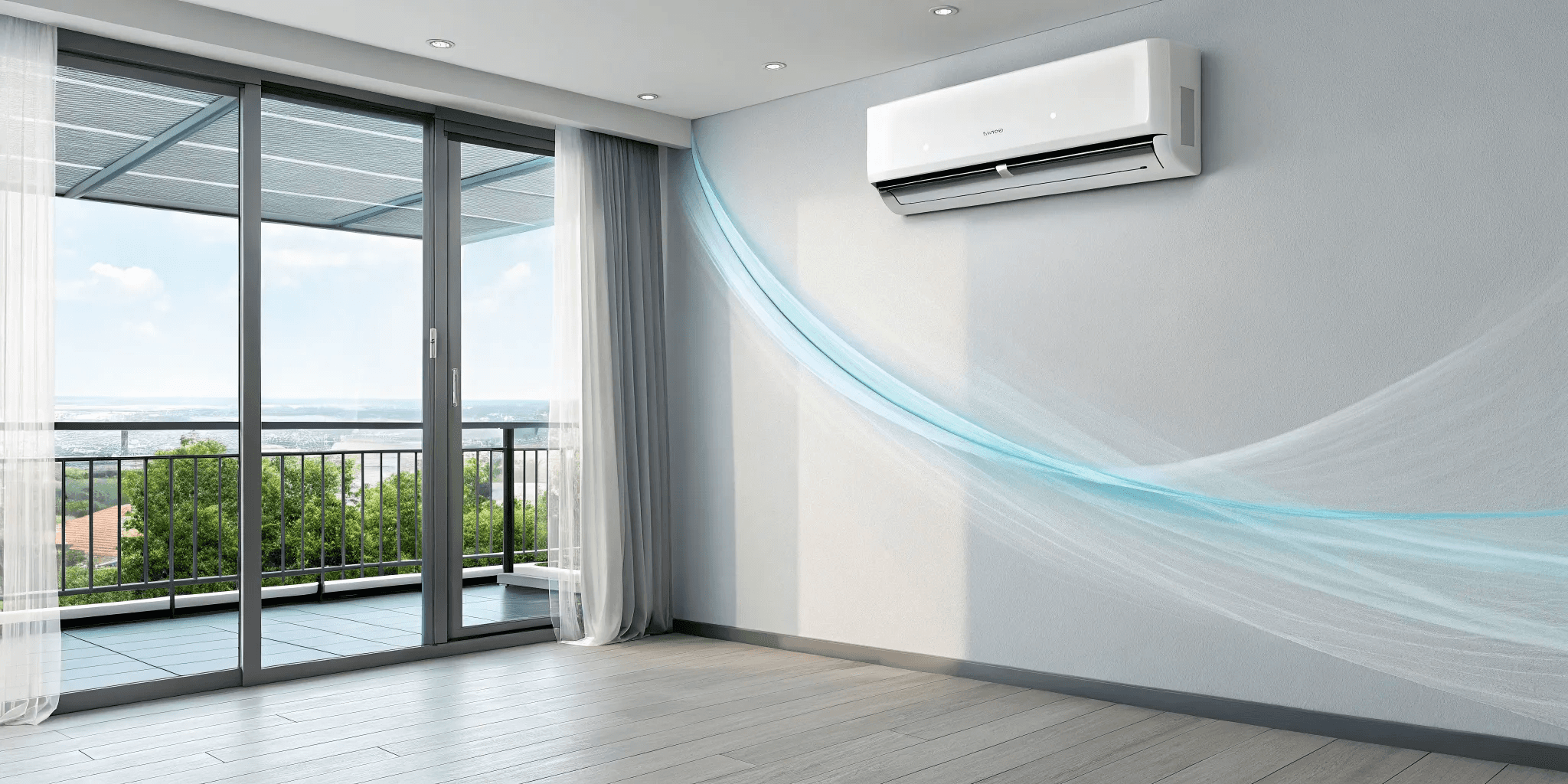
The Complete Guide to Split System Air Conditioners
Date:
Editor:
That one room in your house that’s always too hot. The new home office that needs its own climate control. The struggle to cool your entire home without sending your energy bill through the roof. These are common problems that a standard AC system can’t always solve. A split system air conditioner is designed for exactly these situations. With its unique two-part setup, it delivers targeted cooling with incredible precision. Whether you need to cool a single stuffy bedroom or create multiple temperature zones throughout your house, this guide will explain how a split system offers a customized comfort solution.
Key Takeaways
Enjoy quiet and flexible cooling: A split system's design places the noisy components outside, giving you peace and quiet indoors. This structure also allows for targeted cooling in specific rooms or entire homes, often without needing major ductwork.
Find the right fit for your space and wallet: Choosing the perfect system means matching its cooling power (BTUs) to your room size, deciding if you need to cool one room or several, and considering the total cost, including long-term energy savings from efficiency.
Protect your investment with proper care: A correct setup by a certified technician is crucial for performance. After installation, simple tasks like cleaning the filter, combined with an annual professional service, will keep your system running efficiently for years to come.
What Is a Split System Air Conditioner?
If you’ve ever seen a metal box unit sitting outside a house, chances are you’ve seen part of a split system air conditioner. The name gives you a big clue about how it works: the system is “split” into two main parts. There’s an outdoor unit and an indoor unit, and they work together to keep your home comfortable. These two components are connected by a set of copper tubes that run through your wall.
This clever design is what makes split systems so popular. By placing the noisiest and bulkiest components outside, they keep your indoor living space quiet and peaceful. It also offers incredible flexibility. Whether you need to cool a single stuffy bedroom or your entire house, there’s a split system configuration that can get the job done. They are one of the most common types of home cooling systems available today, known for their efficiency and quiet operation. Understanding how the two halves work together is the first step in figuring out if this is the right AC for you.
How a Split System Works
At its core, a split system works by moving heat from inside your home to the outside. The indoor unit pulls in warm air from a room, cools it by passing it over a cold coil, and then blows the newly chilled air back into your space. The heat it absorbed is then sent through the copper tubes to the outdoor unit, which releases it into the air.
Split systems can distribute this cool air in two main ways. A ducted system connects to your home’s ductwork to deliver air to multiple rooms at once, much like traditional central air. A ductless system, often called a mini-split, uses one or more compact indoor units mounted on the wall or ceiling. Each indoor unit cools a specific room or "zone," giving you precise temperature control where you need it most.
The Indoor and Outdoor Units
Each part of a split system has a specific job. The outdoor unit is the workhorse. It typically houses the compressor and the condenser, which are responsible for pressurizing the refrigerant and releasing heat outside. Since these parts do the hardest work and create the most noise, keeping them outside is a huge plus for your peace and quiet.
The indoor unit is all about air circulation. It contains an evaporator coil, which gets cold, and an air handler or fan that blows air across the coil. As the warm indoor air hits the cold coil, it cools down instantly before being sent back into the room. The copper tubes connecting the two units act like a highway for the refrigerant, which continuously cycles between the units to absorb indoor heat and carry it away.
Common Types of Split Systems
The term "split system" is an umbrella that covers a few different setups for heating and cooling. The most straightforward is a standard air conditioner, which is designed for cooling only. It pairs an outdoor AC unit with an indoor fan coil or furnace to circulate the cool air.
A more versatile option is a heat pump. A heat pump looks and acts just like an air conditioner in the summer, but it can also reverse its function to provide efficient heating in the winter. Many homeowners choose heat pumps for all-in-one climate control. You can also find split systems that pair an outdoor air conditioner with an indoor furnace, giving you powerful gas heating for winter and electric cooling for summer.
Is a Split System Right for Your Home?
Deciding on a new air conditioning system is a big deal, and it’s worth exploring all your options. Split systems are a popular choice for good reason. They offer a modern, flexible approach to home comfort that can be a great fit for many different living situations. From older homes without existing ductwork to new additions that need their own climate control, a split system provides a targeted solution. Let's look at some of the key benefits to help you figure out if this type of AC is the right match for your home and lifestyle.
Save Energy (and Money)
One of the biggest draws of a split system is its impressive energy efficiency. Because they don't rely on a network of ducts, where air can often be lost, ductless models in particular use less power to cool your space. This efficiency translates directly into lower monthly utility bills, which is a win for any homeowner. While the initial purchase price can sometimes be higher than for a traditional window unit, the long-term savings often make it a smart investment. Plus, many high-efficiency models qualify for rebates and tax credits, helping to offset the upfront cost.
Install It Almost Anywhere
The flexibility of a split system is a huge advantage. Unlike central air systems that require extensive ductwork, a split system connects its indoor and outdoor units with a small bundle of cables and refrigerant lines. This connection only requires a tiny hole (about three inches) in an exterior wall, making the installation process much quicker and less disruptive. This design makes them perfect for older homes, apartments, or specific areas like a new sunroom or a converted garage where adding ductwork would be impractical or too expensive. You can get the comfort you need without a major renovation project.
Control Each Room's Temperature
If you’ve ever fought with family members over the thermostat, you’ll appreciate the zoned cooling that split systems offer. Because each indoor unit controls a specific room or "zone," you can set different temperatures throughout the house. This means you can keep the living room cool while everyone is gathered there in the evening, without wasting energy cooling empty bedrooms. This ability to concentrate energy exactly where you need it not only keeps everyone comfortable but also adds to the system's overall efficiency and cost savings.
Enjoy Peace and Quiet
Window air conditioners are effective, but they aren't exactly quiet. A split system solves this problem by placing the noisiest components, the compressor and condenser, in the outdoor unit. The indoor unit that delivers the cool air is whisper-quiet, often no louder than a soft fan. This makes a huge difference in bedrooms, home offices, or any space where you value a peaceful environment. They are also known for being reliable and generally don't require a lot of frequent maintenance, giving you one less thing to worry about.
Split Systems vs. Other ACs: What's the Difference?
When you start looking for an air conditioner, you’ll find a lot of options. Split systems, central air, window units, and portable ACs all promise to cool your home, but they work in very different ways. Understanding these differences is key to finding the right fit for your space and budget. A split system offers a unique combination of efficiency, quiet operation, and flexibility that sets it apart. Let’s break down how it compares to the alternatives.
Split System vs. Central Air
At first glance, split systems and central air conditioning seem pretty similar. Both can cool your entire home, but their structures are different. Central air is often a "packaged unit," with all its components in one large box outside. A split system, true to its name, separates the components into an outdoor unit and one or more indoor units. This design gives you more flexibility. You can connect the indoor units to ductwork just like central air, or you can opt for a ductless mini-split system with individual air handlers in each room for targeted temperature control.
Split System vs. Window Unit
The difference between a split system and a window unit is much more obvious. A window AC is a single box that sits in your window frame. It’s easy to install but can be noisy, block your view, and is generally less energy-efficient. Split systems solve these problems. With separate indoor and outdoor units, the noisy compressor sits outside, so the indoor unit runs very quietly. They are also significantly more efficient, which can lead to lower energy bills. Plus, you gain room-by-room temperature control without sacrificing your window space, making it a more integrated and powerful cooling solution.
Split System vs. Portable AC
Portable ACs offer the convenience of being moved from room to room, but that’s where their advantages usually end. Like window units, they are single-box systems that can be loud and often struggle to cool a room effectively. They also require a bulky hose to vent hot air out a window. In contrast, ductless mini-splits are a permanent and far more powerful solution. They are perfect for cooling smaller homes or specific zones, like a new addition or an upstairs bedroom. While you can’t move a split system, it provides consistent, efficient, and quiet cooling that a portable unit just can’t match.
How to Choose the Right Split System
Okay, so you're sold on the benefits of a split system. Now comes the fun part: picking the one that’s perfect for your home. This isn't a one-size-fits-all situation, but it's not as complicated as it sounds. Thinking through a few key factors will help you find a system that keeps you comfortable and fits your budget. Let's walk through what you need to consider.
Match the AC to Your Room Size
Getting the right size air conditioner is the most important step. A unit that's too small will run constantly without properly cooling the space. One that's too big will cool the room too quickly, leaving it feeling cold and clammy before it can dehumidify the air. The key is to match the system's cooling power, measured in British Thermal Units (BTUs), to your room's square footage. Most manufacturers provide charts to help you find the right fit, so you can shop for systems based on their BTU rating or the size of your room.
Decide Between Single-Zone and Multi-Zone
Next, think about how many rooms you need to cool. If you're just looking to cool a single space, like a home office or sunroom, a single-zone system is your best bet. It includes one outdoor unit connected to one indoor unit. But if you want to cool multiple areas, you'll need a multi-zone system. These connect one outdoor unit to several indoor units, allowing you to set different temperatures in each room. You can get systems for just one room or for many rooms with a Dual, Tri, or Quad Zone setup to create a whole-home solution.
Consider Your Climate and Installation Needs
Before you buy, take a look at your home's layout and your local climate. The outdoor unit needs a stable, level spot with good airflow, which can be a challenge in homes with limited yard space. If you live in a colder climate, look for a split system with a heat pump that's rated for low temperatures. Many modern units are incredibly efficient at heating, even when it's freezing outside, making them a great year-round solution. Understanding your installation environment is key to a successful setup and avoiding any surprises on installation day.
Plan Your Budget for Purchase and Operating Costs
Let's talk about money. Split systems typically have a higher upfront cost than a window AC, but it's important to look at the bigger picture. While the initial purchase and installation might feel like a splurge, their energy efficiency can lead to significant savings on your monthly utility bills. Many high-efficiency models also qualify for local utility rebates or federal tax credits, which help offset the price. Think of it as a smart long-term investment in your home's comfort. You can often use a rebate finder to see what savings you might be eligible for in your area.
Top Split System Air Conditioner Brands
Once you’ve decided a split system is for you, the next big question is: which brand should you choose? The market is full of great options, and the "best" one often depends on your specific needs, budget, and what’s available in your area. Some brands are known for their premium features and cutting-edge technology, while others offer a fantastic balance of performance and value. Getting familiar with the leading names can help you have a more productive conversation with your HVAC installer. Let's look at a few of the most popular and trusted brands you'll likely come across.
A Look at Daikin
Daikin is a global leader in air conditioning, and for good reason. They manufacture systems for everything from single-family homes to massive commercial buildings, which means they pour a ton of research and development into their technology. For homeowners, this translates to highly reliable and efficient units. Daikin is often considered a premium brand, known for its quiet operation and advanced features. If you're looking for a top-of-the-line system and value long-term performance, Daikin's residential products are definitely worth putting on your shortlist.
Exploring Mitsubishi Electric
Right alongside Daikin in the premium category, you'll find Mitsubishi Electric. They are another industry heavyweight known for exceptional quality and dependable performance. Many homeowners and HVAC professionals consider Daikin and Mitsubishi Electric to be the two leading choices for high-end ductless mini-splits. Their systems are praised for their durability and innovative features that provide consistent comfort. If your priority is investing in a system that is built to last and performs efficiently for years, exploring Mitsubishi Electric's mini-split systems is a smart move.
Considering LG and Fujitsu
While Daikin and Mitsubishi often get top billing, brands like LG and Fujitsu are strong contenders that you shouldn't overlook. They offer a wide range of split systems that deliver excellent performance and often come at a more competitive price point. LG is well-known for its sleek designs and smart-home-friendly technology. Fujitsu has a solid reputation for building powerful and reliable units that stand the test of time. Many homeowners find that these brands provide the perfect combination of features, efficiency, and value for their homes.
Key Features to Compare
As you compare brands, focus on the features that matter most for your comfort and budget. Look at the SEER (Seasonal Energy Efficiency Ratio) rating; a higher number means greater efficiency and lower energy bills over time. Consider the system's ability to provide zoned comfort, allowing you to set different temperatures in different rooms. Also, check for smart controls, like Wi-Fi connectivity for app-based adjustments. Finally, always ask about the warranty. A strong warranty on parts and labor shows that the manufacturer stands behind its product, giving you valuable peace of mind.
What's the Real Cost of a Split System?
Thinking about the price of a new air conditioner means looking beyond the number on the price tag. The true cost of a split system includes the initial purchase and installation, what you'll pay each month on your energy bill, and any savings you can find through rebates or tax credits. Breaking down these numbers will give you a much clearer picture of the long-term investment and help you decide if a split system is the right financial fit for your home. Let's get into the details.
Upfront Purchase and Installation Costs
The first cost you'll encounter is the price of the unit itself, plus professional installation. A ductless mini-split system can range from around $700 to over $1,400, depending on its cooling capacity and features. Keep in mind that the initial cost to install a mini-split system is often higher than for a traditional central air unit, sometimes by about 30%. This is because it requires specialized knowledge to set up the indoor and outdoor components correctly. While it's a significant upfront investment, it's important to weigh this against the long-term savings you'll see on your energy bills.
Factoring in Monthly Energy Bills
Here’s where a split system really starts to pay for itself. One of their biggest advantages is energy efficiency. Traditional central air systems can lose a lot of cooled air through leaky ducts, but since mini-splits are ductless, that waste is eliminated. This efficiency translates directly into lower monthly energy bills. Many systems also offer zoning, which lets you cool specific rooms instead of the whole house. By only cooling the spaces you’re using, you can significantly reduce your energy consumption and save even more money over time. High-efficiency units are designed to give you maximum comfort with minimum energy use.
Finding Savings with Rebates
While the initial price might seem high, you can often lower the cost with rebates and tax credits. Many utility companies and government programs offer incentives for purchasing high-efficiency HVAC systems. These programs are designed to encourage homeowners to choose energy-saving options. When you're shopping, pay close attention to the SEER2 rating. A higher rating means the unit is more efficient, which not only qualifies you for more potential rebates but also guarantees lower power bills for years to come. A little research into local and federal incentives can make a big difference in your total cost.
Keeping Your Split System Running Smoothly
A split system air conditioner is a fantastic investment in your home’s comfort, and with a little regular care, you can keep it working efficiently for years. Just like any major appliance, it needs some attention to perform at its best. Think of it less as a chore and more as a simple routine that saves you money on energy bills and prevents surprise breakdowns on the hottest day of the year. From quick DIY tasks to knowing when to call a pro, here’s how to maintain your system.
Simple DIY Maintenance: Filters and Cleaning
The easiest and most effective thing you can do for your split system is to keep its filters clean. A clogged filter forces the system to work harder, which uses more energy and can strain the components. For most homes, you should check, clean, or replace the air filter every one to two months. If you have pets or live in a dusty area, you might need to do it more often. Simply slide the filter out of the indoor unit, wash it with gentle soap and water if it’s reusable, or swap it for a new one. A quick wipe-down of the unit’s exterior and vents also helps keep dust at bay.
Why You Need Professional Annual Service
While cleaning filters is a great start, it doesn’t cover everything. Scheduling an annual check-up with an HVAC professional is the best way to ensure your system is running safely and correctly. A technician can perform a much deeper inspection, checking refrigerant levels, cleaning the coils, testing electrical connections, and looking for wear and tear on parts you can’t easily see. They can spot and diagnose any problems early, preventing small issues from turning into expensive, system-wide failures. Think of it as a yearly physical for your AC unit that keeps it healthy for the long haul.
How to Care for the Outdoor Unit
Don’t forget about the outdoor half of your split system. The condenser unit needs clear space to work properly, so it’s important to maintain the area around it. Make sure there are at least two feet of clearance on all sides. Trim back any shrubs, weeds, or overhanging tree branches that could block airflow. You can also gently clean the unit yourself by turning off the power and using a garden hose to spray down the exterior fins, washing away dirt, pollen, and grass clippings. This simple step helps the unit release heat more effectively, improving its overall efficiency.
Warning Signs Your System Needs a Repair
Your split system will usually give you a heads-up when something is wrong. Pay attention to strange noises like grinding or squealing, a noticeable drop in cooling power, or musty odors coming from the vents. A sudden, unexplained jump in your electricity bill is another red flag. If you’re facing a costly fix, you might wonder whether to repair or replace the unit. A helpful guideline is the "Rule of 5,000." Multiply the age of your AC in years by the estimated repair cost. If the total is more than $5,000, it’s often a smarter financial choice to invest in a new system.
Common Split System Myths, Busted
Split system air conditioners have a lot going for them, but they're also surrounded by a surprising amount of misinformation. If you've heard things that make you hesitant, you're not alone. Let's clear the air and tackle some of the most common myths head-on. You might be surprised to find that the reality of these systems is much simpler and more appealing than the rumors suggest.
Myth: They're Too Complicated to Install
The idea of a complicated, wall-tearing installation is enough to make anyone pause. But here's the good news: that's not the reality for split systems. Because they don't require extensive ductwork, the installation process is actually quite straightforward and minimally invasive. A professional typically only needs to drill a small, three-inch hole through the wall to connect the indoor and outdoor units. This ductless design means the whole setup can often be completed in just one day, with far less mess and disruption than a traditional central air installation. So, you can forget about a major construction project.
Myth: They Use a Ton of Energy
It's easy to assume that powerful cooling must come with a high energy bill, but that's one of the biggest misconceptions about split systems. Modern units are built with efficiency in mind. Many use inverter technology, which allows the system to adjust its power consumption based on the room's needs instead of constantly running at full blast. This smart operation means they use significantly less energy than older models or window units. In fact, many homeowners find that switching to a split system leads to a noticeable drop in their monthly utility bills. When shopping, look for models with a high SEER rating to get the most energy-efficient performance.
Myth: They Don't Work in Cold Climates
If you live somewhere with chilly winters, you might have heard that split systems can't handle the cold. While this may have been true for older models, today's technology tells a different story. Many modern split systems, especially those with heat pump capabilities, are specifically engineered to work effectively in freezing temperatures. These advanced systems can pull heat from the outside air even when it's incredibly cold. Some high-efficiency models can operate efficiently in temperatures as low as -15°F or even colder. Just be sure to check the specific heating performance specs of any unit you're considering to ensure it matches your local climate.
Myth: They're Noisy
No one wants an air conditioner that sounds like a jet engine taking off in their living room. Thankfully, with a split system, you don't have to worry about that. This myth likely comes from experiences with loud window or portable units. Split systems are designed for quiet operation. The components that make the most noise, like the compressor and condenser fan, are housed in the outdoor unit, far away from your living space. The indoor unit is typically whisper-quiet, often producing less noise than a refrigerator. This design means you can enjoy a cool, comfortable room without the distracting background hum, making them generally quieter and perfect for bedrooms and home offices.
Finding the Best Deals and Reviews
Once you’ve narrowed down the type of split system you need, the next step is to find the best unit at the best price. This means doing a little homework to track down deals and read reviews from real homeowners. A bit of research now can save you a lot of money and give you peace of mind that you’ve made a solid investment. It’s all about knowing when to buy and where to look for honest feedback.
Look for Seasonal Sales and Promotions
Timing is everything when it comes to buying an air conditioner. The worst time to buy is usually in the middle of a heatwave, when demand is high and so are prices. Instead, try to shop during the off-season, like in the spring or fall. HVAC companies are less busy during these times and often run promotions to attract customers. Think of it like buying a winter coat in March; you’ll almost always find a better deal. Keep an eye on local dealers’ websites or sign up for their newsletters to get alerts about upcoming sales. Planning ahead gives you the power to buy when the price is right, not just when you’re desperate for cool air.
Why to Work with a Professional Dealer
While you might find a split system for sale at a big-box store or online, purchasing and installing it are two different things. Except for small window units, installing a split system is not a DIY project. It’s best to work with a professional HVAC contractor to ensure everything is done safely and correctly. A certified dealer will help you select the right size unit for your space, handle the complex installation, and offer a warranty for both the product and their labor. They can also provide ongoing maintenance, which is key to keeping your system running efficiently for years to come. This professional guidance is invaluable and protects your investment.
Where to Find Trustworthy Reviews
Sifting through online reviews can feel like a full-time job. To find genuinely helpful feedback, look beyond the star ratings on retail sites. A great place to start is by looking for mini-split success stories on manufacturer or dealer websites. These case studies show how specific models perform in real homes and solve unique cooling challenges. For more unfiltered opinions, check out online communities and forums. These are goldmines for unbiased reviews where homeowners share their honest, long-term experiences with different brands, including details you won’t find in a product description.
Frequently Asked Questions
Is a "split system" the same thing as a "mini-split"? Think of "split system" as the main category and "mini-split" as a popular type within it. A split system is any air conditioner with separate indoor and outdoor components. A mini-split is a specific kind of split system that doesn't use ducts. Instead, it uses compact indoor units to cool individual rooms, which is why you see them so often in home additions or older houses.
Can I really use a split system for heating in the winter? Absolutely. Many split systems are also heat pumps, which means they can reverse their operation to efficiently heat your home. Modern heat pump technology is impressive and can work well even in very cold climates. If you're looking for a year-round solution, just make sure the model you choose is rated to perform well in the lowest temperatures your area typically experiences.
Do I need an indoor unit for every single room I want to cool? Not necessarily. It all depends on your home's layout and your cooling goals. If you have an open-concept living area, one powerful indoor unit might be enough. For homes with more separate rooms, a multi-zone system is a great option. This setup connects several indoor units to a single outdoor unit, so you can cool specific rooms like bedrooms and a home office while leaving others off.
How long can I expect a new split system to last? With proper care, a quality split system is a long-term investment in your home's comfort. Most well-maintained units have a lifespan of about 15 to 20 years. The key to getting the most out of your system is consistent maintenance, like cleaning the filters regularly and scheduling an annual professional service check-up.
Is professional installation really necessary? Yes, this is one job you shouldn't try to DIY. Installing a split system involves handling refrigerant lines and making high-voltage electrical connections, which require certified expertise for safety and performance. A professional installer will make sure your unit is sized correctly and set up to run as efficiently as possible. Plus, most manufacturer warranties require proof of professional installation.