Date:
Editor:
Does it feel like you’re walking on a small, hard pebble that you just can’t get out of your shoe? If that persistent discomfort is coming from a firm lump in your arch, a plantar fibroma is a likely culprit. This knot of fibrous tissue forms directly within the plantar fascia, the ligament that supports your foot’s arch. When you stand or walk, your body weight presses down on this lump, which can cause a dull ache or even sharp pain. You don’t have to just live with the discomfort. This guide explains the symptoms, causes, and the full range of treatments available for a plantar fibroma, starting with simple, non-invasive options.
Key Takeaways
Identify the Lump Correctly: A plantar fibroma is a firm, noncancerous knot in your foot's arch, but it's important not to self-diagnose. A podiatrist can confirm it's a fibroma and not a cyst or another issue, ensuring you get the right treatment plan from the start.
Prioritize Conservative Care for Relief: Surgery is rarely the first option; the initial goal is to relieve pain and pressure. You can find significant comfort through non-invasive methods like custom orthotics, supportive footwear, physical therapy, and topical creams.
Focus on Foot Support to Prevent Return: Plantar fibromas have a tendency to come back, so long-term management is crucial. Consistently wearing supportive shoes and custom orthotics helps reduce strain on the plantar fascia, lowering the risk of recurrence.
What Is a Plantar Fibroma?
If you've noticed a firm lump in the arch of your foot, you might be dealing with a plantar fibroma. It sounds a bit technical, but a plantar fibroma is simply a benign (noncancerous) knot of fibrous tissue that grows within the plantar fascia. Think of the plantar fascia as a thick, supportive band running from your heel to your toes; it’s essential for how your foot functions. When a nodule forms there, it can feel like you have a small, hard marble under your skin. Unlike a bruise or temporary swelling, a fibroma is a distinct growth that doesn't go away on its own.
While these growths aren't cancerous, they can definitely cause discomfort or pain, especially when you're standing or walking. The pressure from your body weight can make the fibroma feel more prominent and tender. The size can vary, and you might have one in just one foot or in both. For some people, the lump is painless, while for others, it can make wearing certain shoes or participating in activities difficult. Understanding what a plantar fibroma is is the first step toward finding the right treatment for your foot pain. Our team is here to help you get a clear diagnosis and create a plan that gets you back on your feet comfortably.
Where Do Plantar Fibromas Form?
Plantar fibromas have a very specific home: the bottom of your foot. They grow directly within the plantar fascia, which is the ligament-like band that creates the arch of your foot. You'll typically find these nodules somewhere in the middle of your arch, between the heel and the ball of your foot. Because the plantar fascia is essential for absorbing shock and supporting your foot's structure, a growth in this area can disrupt normal movement and cause noticeable pain. You can often feel the lump with your fingers, and it usually doesn't move around because it's embedded in the fascia.
Plantar Fibroma vs. Plantar Fibromatosis
While the terms sound similar, there's a key difference between a plantar fibroma and plantar fibromatosis. A plantar fibroma refers to a single nodule. In contrast, plantar fibromatosis is a condition where multiple nodules develop, sometimes forming a large mass of tissue in the arch. This condition, also known as Ledderhose disease, is much rarer than a single fibroma. Although it's also benign, plantar fibromatosis can be more aggressive, leading to greater discomfort and potentially affecting your ability to walk. If you feel one or more lumps, it's important to schedule an appointment for an accurate diagnosis to determine the best course of action.
What Are the Symptoms of a Plantar Fibroma?
Plantar fibromas can be tricky because their symptoms vary from person to person. For some, the first sign is a noticeable lump that causes no pain at all. For others, discomfort in the arch of the foot is what finally gets their attention. Understanding the range of possible symptoms is the first step toward figuring out what’s going on with your foot.
The signs can be subtle at first, but they often become more obvious over time. Paying attention to how your foot feels, especially when you’re standing, walking, or wearing certain shoes, can provide important clues. Let’s walk through the specific signs to watch for and how they might evolve.
Key Signs and Symptoms
The most common sign of a plantar fibroma is a firm, noticeable lump in the arch of your foot. You can usually feel this knot-like growth if you press on the bottom of your foot. It’s embedded within the plantar fascia, the thick ligament that runs from your heel to your toes. This lump might be small at first, but it’s typically quite firm to the touch.
While you might expect a lump to be painful, that isn’t always the case. Some people have a plantar fibroma for years without any discomfort. When pain does occur, it’s often because shoes are pressing against the lump or from the pressure of standing and walking. This can feel like a dull ache or a sharp pain right in the arch. Our podiatry services include thorough diagnostic evaluations to pinpoint the exact cause of your foot pain.
How Symptoms Can Change Over Time
A plantar fibroma isn't always static; it can change. The lump you feel might stay the same size for years, or it could slowly grow larger. In some cases, additional fibromas can develop near the first one. When the lump grows, it’s more likely to become painful because it creates more pressure within the foot and against your shoes.
Initially, you might only feel pain when wearing tight-fitting shoes or after a long day on your feet. As the fibroma enlarges, however, the discomfort can become more constant, even affecting you when you're walking barefoot. Because these growths can progress, it’s wise to have any new or changing lump in your foot evaluated. Scheduling an appointment allows our team to assess the fibroma and recommend the best course of action, even if it’s just to monitor it for now.
What Causes Plantar Fibromas?
Figuring out why a plantar fibroma develops can feel like a bit of a mystery. For many people, there’s no single, clear reason. Instead, doctors believe that a combination of factors can contribute to the formation of these nodules in the arch of your foot. While the exact cause isn't always known, we have a good understanding of the primary risk factors that can make you more susceptible. Understanding these potential triggers can help you and your podiatrist create a more effective plan for managing your symptoms. The main culprits generally fall into three categories: your genetic makeup, injuries to your foot, and certain underlying health conditions.
Genetic Factors
Sometimes, the answer lies in your family tree. There is a known genetic link to plantar fibromas, meaning a tendency to develop these nodules can be passed down through families. If your parents, grandparents, or siblings have dealt with plantar fibromas, you may have a higher chance of developing them, too. This is especially true if your family has a history of similar fibrous tissue disorders, like Dupuytren's disease, which affects the hands. While you can't change your genes, knowing your family history gives you a heads-up and is valuable information to share with your doctor.
Injury and Repetitive Stress
Your plantar fascia, the thick band of tissue in the arch of your foot, acts as a shock absorber. When it’s put under too much strain, it can lead to problems. Both a single, significant injury and long-term repetitive stress can trigger the growth of a fibroma. For example, a puncture wound or a sharp blow to the bottom of your foot could start the process. More commonly, it’s the result of repetitive strain from activities like running, dancing, or having a job that keeps you on your feet all day. This ongoing stress can cause tiny tears in the fascia, and in some people, the healing process can go into overdrive, creating the dense, fibrous tissue of a fibroma. Our team provides a range of services to address foot injuries and chronic pain.
Related Health Conditions and Medications
Certain health conditions are also associated with a higher risk of developing plantar fibromas. While these conditions don't directly cause the nodules, they create an environment in the body where they are more likely to form. Some of the key associated conditions include diabetes, epilepsy, and alcohol use disorder. People with other fibrous tissue disorders, such as frozen shoulder or Peyronie's disease, may also be more prone to them. It’s important to discuss your complete health history with one of our physicians, as it helps us see the full picture and provide the best possible care for your feet.
How Do Doctors Diagnose a Plantar Fibroma?
If you’ve found a lump in the arch of your foot, getting a proper diagnosis is the first step toward relief. The process is usually straightforward, starting with a hands-on examination and sometimes followed by imaging tests. Our physicians use this thorough approach to understand exactly what’s going on and rule out any other potential issues. This ensures we can create a treatment plan that’s tailored specifically to you and your foot. A clear diagnosis helps determine the best course of action, whether it's simple monitoring, non-surgical treatments, or another approach.
The Physical Exam
When you come in for an appointment, the first step is a physical exam. Your doctor will talk with you about your symptoms, activity level, and general health history. Then, they will carefully examine your foot, gently pressing on the lump in your arch to feel its size and firmness. Don’t be surprised if this pressure causes a little discomfort or a feeling of pain that travels toward your toes, as this is a common sign. Your doctor may also compare your affected foot to your other one to note any differences. This initial hands-on assessment provides crucial information about the nature of the growth.
Imaging Tests like Ultrasound and MRI
While a physical exam provides a lot of information, your doctor may recommend an imaging test to get a complete picture. An MRI or an ultrasound can help confirm the diagnosis by providing a detailed look at the soft tissues inside your foot. These tests are excellent for ruling out other conditions that can cause lumps, such as a cyst or a different type of growth. This ensures we are creating the right treatment plan for you. Our diagnostic services allow us to see the fibroma’s exact size and location, which is key to planning effective treatment. In most cases, imaging is all that’s needed to move forward.
Is It a Plantar Fibroma or Something Else?
Finding a new lump on the bottom of your foot can be worrying, and it’s easy to jump to conclusions. While it could be a plantar fibroma, several other common foot conditions can cause similar bumps or pain in the arch. Understanding the differences can help you have a more informed conversation with your doctor. Since self-diagnosing can be tricky and may lead to improper care, getting a professional opinion is always the best first step. A podiatrist can accurately identify the cause of the lump and create a treatment plan that’s right for you. If you're concerned about a growth on your foot, you can schedule an appointment with one of our specialists.
Plantar Fasciitis
Plantar fasciitis is one of the most common culprits behind foot pain, but it’s very different from a plantar fibroma. While a fibroma is a distinct, firm lump, plantar fasciitis is characterized by inflammation of the plantar fascia, the thick tissue band connecting your heel to your toes. This condition doesn't cause a lump. Instead, it creates a sharp, stabbing pain near the heel. Many people notice the pain is most intense with their first steps in the morning or after sitting for a long time. The discomfort might ease during the day but can return after long periods of standing or activity.
Plantar Warts
At first glance, a plantar wart might be mistaken for a small fibroma, but they have a few tell-tale signs. Plantar warts are small, rough growths on the soles of your feet caused by HPV. Unlike fibromas, which are smooth nodules under the skin, warts grow on the surface. If you look closely, you might see tiny black dots, which are actually small, clotted blood vessels. According to Harvard Medical School, another key difference is pain. While a fibroma may or may not be painful, a plantar wart often hurts when you squeeze it from side to side.
Cysts and Lipomas
Other growths, like cysts and lipomas, can also appear on the foot. A cyst is a small, fluid-filled sac that can feel soft and movable under the skin. A lipoma is a benign tumor made of fatty tissue, which also tends to be soft and is usually painless. The main difference here is texture. A plantar fibroma is made of dense, fibrous tissue, making it feel firm and solid to the touch, not soft or fluid-filled. Because these growths can feel similar, a professional diagnosis is essential to determine what kind of lump you have and the best way to manage it.
Treating a Plantar Fibroma Without Surgery
If you’ve been diagnosed with a plantar fibroma, your first thought might be about surgery. The good news is that surgery is rarely the first line of defense. We have many effective, non-invasive ways to manage the pain and discomfort associated with these growths. The goal of non-surgical treatment is to relieve pressure on the fibroma, reduce pain, and shrink the lump so you can get back to your daily activities without wincing with every step. Our approach is always to start with the most conservative options that fit your lifestyle and symptoms.
Orthotics and Supportive Shoes
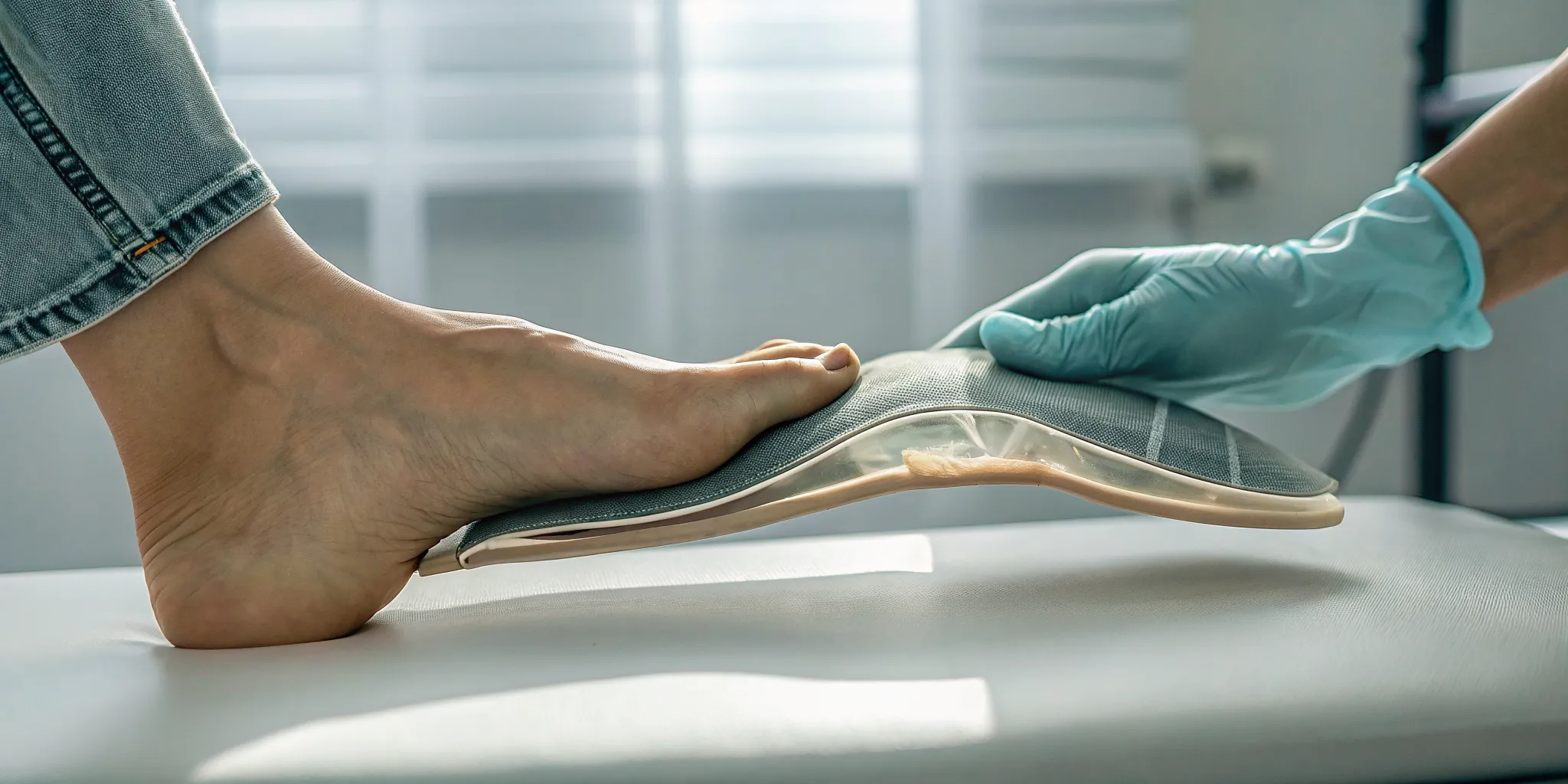
One of the simplest and most effective ways to manage a plantar fibroma is by changing what’s inside your shoes. Because the fibroma is on the bottom of your foot, direct pressure from standing and walking can cause significant pain. Custom orthotics are designed to fit the unique contours of your feet, helping to redistribute your weight more evenly. This takes direct pressure off the fibroma, which can provide immediate relief and prevent the lump from becoming more irritated. Pairing your orthotics with supportive, well-fitting shoes further protects the arch and reduces strain on the plantar fascia.
Corticosteroid Injections
For fibromas that are particularly painful or inflamed, a corticosteroid injection can offer powerful relief. These shots are administered directly into the fibroma to reduce inflammation and pain. According to MaineHealth, corticosteroid shots may also temporarily shrink the lump, making it less noticeable when you walk. While injections can be very effective for managing acute symptoms, the relief is often temporary. We can discuss if this is a good option for you and how it fits into a broader treatment plan to provide more lasting comfort.
Physical Therapy and Stretches
Physical therapy is another excellent non-surgical tool for managing plantar fibromas. A physical therapist can guide you through specific stretches for your foot and calf, which helps improve flexibility in the plantar fascia and reduce tension on the fibroma. Some therapists also use specialized treatments, like transdermal ultrasound, to deliver anti-inflammatory medications deep into the tissue without an injection. Our physicians work closely with physical therapists to create a coordinated care plan that addresses your specific symptoms and helps restore normal foot function.
Topical Creams
If you prefer to avoid injections, a topical medication may be a great alternative. Certain prescription creams can be applied directly to the skin over the fibroma to help manage symptoms. For example, a topical compound containing Verapamil, a calcium channel blocker, has been shown to help soften and shrink fibrous tissue over time. As the Cleveland Clinic notes, this medication can reduce swelling and may help shrink the fibroma itself. It’s a non-invasive option that you can easily apply at home as part of your daily routine.
The "Wait and See" Approach
Sometimes, the best course of action is to do nothing at all. If your plantar fibroma is small, not growing, and completely painless, we may recommend a "wait and see" approach. In these cases, the risks or costs of treatment may outweigh the benefits. We will simply monitor the fibroma during your regular check-ups to ensure it doesn’t start causing problems. If you ever notice changes in its size or begin to feel pain, we can immediately pivot to one of the active treatment options. To find out which approach is right for you, it’s best to schedule an appointment for a full evaluation.
Is Surgery the Right Option for You?
Thinking about surgery can feel like a huge step, and for good reason. It’s usually only considered after you’ve tried other, less invasive treatments. If you’ve been diligent with orthotics, physical therapy, and other conservative methods but still find yourself dealing with persistent pain, surgery might become a topic of conversation with your doctor. The goal is always to relieve your pain and get you back to your daily activities comfortably. Making this choice involves weighing the potential benefits against the realities of recovery and the risks involved.
When Is Surgery Recommended?
Surgery is typically reserved for when a plantar fibroma causes significant pain that doesn’t respond to nonsurgical treatments. If the lump in your arch makes it difficult to walk, stand, or wear shoes without discomfort, your podiatrist may suggest a surgical procedure. The decision to operate is a collaborative one, based on how much the fibroma impacts your quality of life. An open discussion with one of our physicians can help you determine if the benefits of removing the fibroma outweigh the commitment of a surgical recovery.
What to Expect During Recovery
If you and your doctor decide surgery is the best path forward, it’s helpful to know what recovery looks like. After the procedure, you will likely need to use crutches and keep weight off your foot for a few weeks. As you heal, your doctor may prescribe custom orthotic devices to wear in your shoes. These inserts are designed to support the arch of your foot and improve its mechanics, which is especially important after a part of the plantar fascia has been removed. You can also expect regular follow-up appointments to monitor your healing and watch for any signs of recurrence, ensuring your recovery stays on track.
Understanding the Risks of Surgery
Every surgery comes with risks, and it’s important to go into the procedure with a clear understanding of them. With plantar fibroma removal, one of the main considerations is that the fibroma can grow back. In fact, the recurrence rate can be high, which is why ongoing monitoring is so important. Other potential complications include a flattening of your arch or the development of hammertoes, where a toe begins to bend abnormally. Having a thorough conversation with your foot and ankle surgeon will help you understand these potential outcomes and decide if surgery is the right choice for your specific situation.
Can a Plantar Fibroma Return After Treatment?
Once you have a treatment plan in place, it’s natural to wonder about the long-term outlook. A key part of managing a plantar fibroma is understanding its potential to come back and knowing what you can do to prevent it.
Understanding Recurrence
One of the most common questions we hear is whether a plantar fibroma can come back after treatment. The short answer is yes, and it’s an important factor in deciding on the right approach for you. Plantar fibromas are known for having a high rate of recurrence, meaning they can grow back even after being treated. This is a primary reason why our physicians often explore conservative treatments before considering surgery. While an operation can remove the nodule, it doesn't guarantee it won't return. In some cases, surgery can also lead to other complications, like a flattened arch or hammertoes, which is why it’s typically reserved as a last resort.
Lowering Your Risk of Recurrence
While you can't completely eliminate the risk, you can take simple, effective steps to lower the chances of a fibroma returning or a new one forming. It all comes down to reducing pressure and strain on your plantar fascia. Start with your footwear; wearing supportive shoes with good arch support helps distribute weight more evenly across your feet. Custom orthotics can provide targeted support right where you need it most. Maintaining a healthy weight also plays a role by lessening the overall load on your feet. These small changes can make a big difference. If you need guidance, schedule an appointment to create a personalized prevention plan.
When to See a Podiatrist for Arch Pain
It’s easy to write off foot pain as a minor inconvenience from a long day on your feet. But knowing when to seek professional advice is crucial for your long-term health and mobility. If your arch pain is persistent and comes with specific symptoms, it’s a clear signal that you should see a specialist. Taking that step can provide relief and prevent the issue from getting worse.
Signs You Shouldn't Ignore
We all try to tough it out sometimes, but certain symptoms are your body’s way of asking for help. If you have ongoing arch pain that just won’t go away, it’s time to listen. A key sign of a plantar fibroma is a firm, noticeable lump on the bottom of your foot. You might feel pain or discomfort in the arch, especially when you’re walking or wearing shoes that press against the growth. Instead of hoping it goes away on its own, getting a professional opinion can give you a clear diagnosis and a solid plan for what to do next.
How a Podiatrist Can Help
When you visit a podiatrist, you’re getting an expert evaluation. Your doctor will start with a physical exam, feeling the lump and asking about your symptoms and health history. To get a complete picture and rule out other conditions, they may recommend imaging tests like an MRI or ultrasound. Our team at The Foot & Ankle Group uses these advanced diagnostic services to ensure an accurate diagnosis. Once confirmed, your podiatrist will discuss a personalized treatment plan with you. While surgery is an option for severe cases, it’s typically considered only after other treatments haven't worked. Taking the first step is simple; you can schedule an appointment with one of our specialists today.
Related Articles
Frequently Asked Questions
Is a plantar fibroma cancerous? This is a very common concern, and the good news is that plantar fibromas are benign, which means they are not cancerous. They are simply dense knots of fibrous tissue. However, because any new growth on your body should be evaluated, it's important to get a professional diagnosis. This confirms that it is a fibroma and rules out other, less common conditions, allowing us to create a safe and effective plan to manage any pain.
Will the lump in my arch go away on its own? Unfortunately, a plantar fibroma is a structural growth that typically does not go away on its own. Unlike a bruise or temporary swelling, it's a formation of dense tissue that tends to be permanent unless treated. For some people, a small, painless fibroma can be monitored without active treatment. For others, non-surgical options can help shrink the nodule and relieve pain, but the goal is management rather than complete disappearance without intervention.
Does having a plantar fibroma mean I have to give up running or other activities? Not at all. In fact, our primary goal is to find a solution that allows you to continue doing the activities you love without pain. Many non-surgical treatments, like custom orthotics and physical therapy, are specifically designed to reduce pressure on the fibroma and support your foot during movement. By managing the symptoms effectively, most people can maintain their active lifestyle.
Why is surgery usually considered a last resort for a plantar fibroma? We generally recommend conservative treatments first because they are often very effective and don't carry the same risks as surgery. The main reason we approach surgery cautiously is that plantar fibromas have a high rate of recurrence; they can grow back even after being removed. Surgery also involves a significant recovery period and carries potential risks, such as a flattening of the arch or changes in your foot mechanics. We reserve it for cases where the pain is severe and has not responded to any other treatments.
Can I just use store-bought insoles instead of custom orthotics? While over-the-counter insoles can provide some general cushioning, they often fall short when it comes to treating a plantar fibroma. The key to relief is offloading pressure directly from the nodule itself. Custom orthotics are molded specifically to the contours of your feet and are designed with precise modifications, like a cutout or pocket, to redistribute your weight away from the fibroma. This targeted support is far more effective at reducing pain than a generic insole.