Date:
Editor:
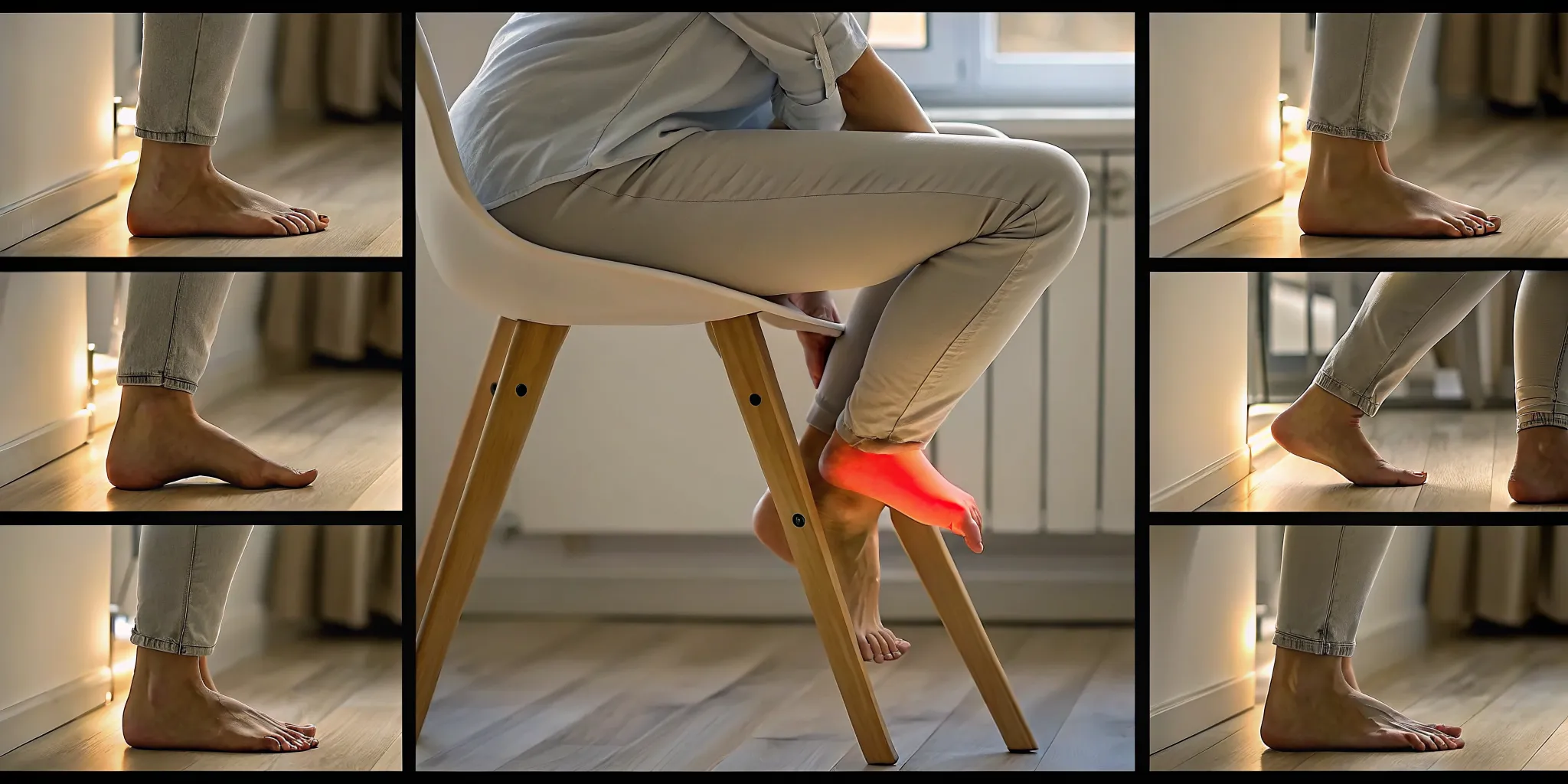
That first step out of bed should be a gentle start to your day, not a moment you dread. If you’re met with a sharp, stabbing pain in your heel, you know exactly what I’m talking about. This frustrating ache can make the simplest tasks, like walking to the kitchen for coffee, feel like a major challenge. You might be dealing with plantar fasciitis, one of the most common causes of foot pain. Understanding the full range of plantar fasciitis symptoms is the first step toward finding lasting relief. This guide will walk you through the classic signs so you can identify what’s happening and learn how to get back on your feet, pain-free.
Key Takeaways
Recognize the morning pain: That sharp, stabbing feeling in your heel with your first steps out of bed is the classic sign of plantar fasciitis. Paying attention to this specific pain pattern, especially after periods of rest, is the first step to understanding what's going on.
Prioritize support and stretching: Simple changes can make a huge difference. Focus on wearing shoes with good arch support, avoid walking barefoot on hard floors, and make gentle calf and foot stretches a regular part of your routine.
Know when to call a professional: If home remedies haven't brought relief after a couple of weeks, or if the pain is disrupting your daily life, it's time to see a specialist. A proper diagnosis is the quickest path to an effective treatment plan and long-term relief.
What Is Plantar Fasciitis?
If you’ve ever felt a sharp, stabbing pain in your heel with your first step out of bed, you might already be familiar with plantar fasciitis. It’s one of the most common causes of foot pain, but that doesn’t make it any less frustrating. Understanding what’s happening inside your foot is the first step toward finding relief. At its core, plantar fasciitis is an issue of strain and inflammation in a key part of your foot’s support system. Let's break down what it is, what causes that distinct pain, and who is more likely to experience it.
Understanding the Plantar Fascia
Think of the plantar fascia as a strong, bowstring-like ligament that runs along the bottom of your foot, connecting your heel bone to your toes. This thick band of tissue is designed to absorb the stress and strain we put on our feet every day. It supports the arch of your foot and acts as a shock absorber when you walk, run, or jump. When this hardworking tissue is healthy, you probably don't even notice it. The problem starts when it becomes overstressed and inflamed, leading to the condition known as plantar fasciitis. Our team provides comprehensive foot and ankle care for this and other conditions.
What Causes the Pain?
The signature symptom of plantar fasciitis is a sharp, stabbing pain at the bottom of your foot, usually near the heel. This pain is often most intense during your first few steps after waking up or after long periods of rest. Why? Because the fascia tightens overnight. When you put weight on it, the tissue is suddenly stretched, causing that jolt of pain. The pain is a result of tiny tears and inflammation in the plantar fascia, caused by repeated stress and strain. It’s your body’s way of telling you that this crucial tissue is being pushed beyond its limits.
Who Is Most at Risk?
While anyone can develop plantar fasciitis, certain factors can make you more susceptible. It’s most common in people between the ages of 40 and 60. Your daily activities also play a big role; things like long-distance running, ballet, and aerobic dance put a lot of stress on your heels. Your foot mechanics matter, too. Having flat feet or very high arches can affect how weight is distributed, putting extra strain on the plantar fascia. Additionally, carrying excess weight can increase pressure on your feet. If you fit into these categories and are experiencing heel pain, it’s a good idea to schedule an appointment for a proper diagnosis.
What Are the Main Symptoms of Plantar Fasciitis?
Plantar fasciitis can feel different for everyone, but a few key symptoms tend to show up again and again. The pain is usually centered around your heel and arch, and it often follows a frustratingly predictable pattern throughout the day. If you're wondering whether your foot pain might be plantar fasciitis, look for these three classic signs. Recognizing them is the first step toward finding relief and getting back to your daily activities without that nagging ache. Our team offers several treatment options to help you manage these symptoms effectively.
Sharp Heel Pain
The most telling sign of plantar fasciitis is a sharp, stabbing pain on the bottom of your foot, right near the heel. Many people describe it as feeling like stepping on a small, sharp object. This pain is famously at its worst with your first few steps after waking up. While you sleep, the plantar fascia ligament tightens, so that first bit of pressure in the morning causes an intense stretch and a jolt of pain. The pain might ease up as you move around and the ligament loosens, but it’s a very distinct and unpleasant way to start the day.
Arch Pain and Stiffness
While the heel gets most of the attention, you might also feel a deep ache or stiffness in the arch of your foot. This discomfort can feel like a dull throb, but it can also be sharp, especially when you stretch your foot or after being active. Similar to heel pain, this stiffness is often most noticeable after you’ve been sitting for a while and then stand up. That transition from rest to activity puts sudden strain on the tight fascia, causing pain not just in the heel but along the entire arch of your foot.
Swelling and Tenderness
Plantar fasciitis doesn't always cause visible swelling, but you might notice some mild puffiness around your heel or arch. The area may also feel tender when you press on it. A common spot for this tenderness is the inside edge of your heel, where the plantar fascia attaches to the heel bone. If you find yourself wincing when you touch a specific part of your foot's sole, it’s another strong indicator that the fascia is inflamed. If these symptoms sound familiar, it may be time to schedule an appointment for a proper diagnosis.
How Does the Pain Change Throughout the Day?
One of the most telling signs of plantar fasciitis is how the pain fluctuates. It’s not usually a constant, steady ache. Instead, it tends to follow a frustrating pattern, showing up at specific times that can seriously disrupt your day. If you’re trying to figure out if your foot pain is plantar fasciitis, paying attention to when it hurts is a huge clue. The pain often feels different depending on whether you’ve been resting, sleeping, or active. Understanding this pattern can help you communicate your symptoms more clearly to a podiatrist and get on the right track for relief.
Most people with the condition report a few key moments when the pain is at its worst. It’s that first step out of bed, the feeling after you’ve been sitting for a while, and the throbbing ache that sets in after a long day. If this sounds familiar, you’re not alone. This cycle of pain and temporary relief is a classic hallmark of the strain on your plantar fascia. It's a unique characteristic that separates it from other types of foot pain, which might be more consistent or only appear during activity. Let’s break down what you can expect from the pain throughout a typical day so you can better identify what you're experiencing.
That First Step in the Morning
Does the thought of getting out of bed make you wince? For many people with plantar fasciitis, the most intense pain of the day happens with those very first steps. You might feel a sharp, stabbing sensation in your heel or the arch of your foot. This happens because the plantar fascia, the ligament that supports your arch, tightens up overnight while you sleep. When you suddenly put weight on it, the tissue is forced to stretch, causing that jolt of pain. While it may ease after you walk around for a few minutes, that initial morning agony is a telltale symptom that shouldn't be ignored.
Pain After You Rest
It’s not just a morning problem. That same sharp pain can strike after any period of inactivity. If you’ve been sitting at your desk for an hour, enjoying a long lunch, or driving in the car, you might notice that familiar ache when you stand up again. This is because, just like overnight, your plantar fascia can shorten and stiffen while you’re off your feet. The pain might improve as you start moving and the ligament warms up, but this cycle of pain after rest is a clear sign that the fascia is inflamed. If this pattern is disrupting your work or daily life, it’s a good idea to schedule an evaluation.
Pain After Being on Your Feet
Here’s where plantar fasciitis can feel especially unfair. You might find that the pain subsides a bit during a walk or exercise, only to come roaring back afterward. This delayed reaction happens because while gentle movement can temporarily stretch the fascia, prolonged activity or standing for hours puts continuous strain on it. This can increase the inflammation and lead to a dull, throbbing ache that gets worse as the day goes on. If your job requires you to be on your feet or you have an active lifestyle, this end-of-day pain can be debilitating. Our expert podiatrists can help you find ways to stay active without worsening your symptoms.
Are There Other Symptoms Besides Heel Pain?
While that sharp, stabbing pain in your heel is the most well-known sign of plantar fasciitis, it’s not the only symptom to watch for. The condition can create a ripple effect, causing discomfort and issues that extend beyond the bottom of your foot. Paying attention to these other signs is crucial because they can signal that a seemingly minor foot problem is starting to affect your entire body. Ignoring them can lead to more complex issues down the road, turning a manageable condition into a chronic one. Understanding the full picture of plantar fasciitis symptoms helps you know when it’s time to stop self-treating and seek professional care from our team of physicians.
Discomfort That Spreads
Plantar fasciitis pain isn't always a simple ache. For some, it feels like a sharp, stabbing sensation, while for others, it's a dull, throbbing pain that radiates from the heel into the arch of the foot. This discomfort has a distinct pattern: it’s often most intense with your first few steps in the morning or after you’ve been sitting for a while. You might notice the pain eases up after you get moving, but it can return with a vengeance after long periods of standing, walking, or exercising. These varying symptoms can make it tricky to pinpoint the problem without a proper diagnosis.
A Change in Your Walk
When your heel hurts, you naturally try to avoid putting pressure on it. You might start walking on the outside of your foot or altering your stride without even thinking about it. This change in your gait might offer temporary relief, but it can throw your body’s alignment out of whack. Over time, this compensation can lead to secondary pain in your other foot, ankles, knees, hips, or even your lower back. If you notice new aches and pains cropping up, your walk may be the culprit. This is a clear sign that your foot problem is starting to interfere with daily activities and affect your overall mechanics.
The Risks of Ignoring the Pain
It’s tempting to think foot pain will just go away on its own, but with plantar fasciitis, that’s rarely the case. Pushing through the pain can make the inflammation worse and lead to chronic issues that are much harder to treat. If your heel pain doesn't start to improve after a week, or if you’ve tried home remedies like ice and rest for two weeks with no relief, it’s time to get it checked out. Don't wait for the pain to become unbearable. Seeking professional help early can get you on the path to recovery faster and prevent long-term complications. If you're ready to get answers, you can schedule an appointment with a specialist.
What Factors Can Make Symptoms Worse?
If you're dealing with plantar fasciitis, you might notice your pain isn't always consistent. Some days are better than others, and certain activities can trigger a flare-up. Understanding what makes your symptoms worse is the first step toward finding relief. While anyone can develop this condition, several factors can increase the strain on your plantar fascia and intensify your pain. Your age, weight, foot structure, daily activities, and even your job can all play a significant role. By identifying your personal risk factors, you can make targeted changes to your routine and start feeling better.
Your Age and Weight
It’s not your imagination; certain life stages and physical attributes can make you more susceptible to heel pain. Plantar fasciitis is most common in people between 40 and 60 years old. As we age, the tissues in our bodies, including the plantar fascia, can become less elastic. The fat pad on the bottom of the heel, which acts as a natural shock absorber, may also thin over time. Additionally, carrying excess weight puts more pressure on your feet with every step you take. This added stress can strain the plantar fascia, leading to inflammation and pain. A podiatrist can help you create a holistic plan to manage your foot health, which may include strategies that support your weight management goals.
Your Foot Shape and Mechanics
The way your feet are built and how you walk have a huge impact on your risk for plantar fasciitis. Both flat feet and very high arches can alter your foot mechanics and put extra stress on the plantar fascia. If you have flat feet, your arch may collapse when you walk, causing the fascia to overstretch. Conversely, if you have very high arches, the fascia can be overly tight and under constant tension. An unusual walking pattern can also distribute weight unevenly across your feet. Our team can analyze your gait and foot structure to see if these factors are contributing to your pain and determine if custom orthotics could provide the support you need.
High-Impact Activities
Staying active is fantastic for your health, but some exercises can be tough on your feet. Activities that involve a lot of repetitive pounding, like long-distance running, ballet, or aerobic dance, can put significant stress on your heels and plantar fascia. Running on hard or uneven surfaces can make the problem even worse. This doesn't mean you have to give up the activities you love. However, you may need to make some adjustments, such as modifying your routine, improving your form, or investing in better footwear. Consulting with one of our physicians can help you develop a plan to stay active without aggravating your heel pain.
Your Job
Your job could be a major contributor to your heel pain, especially if you spend most of the day on your feet. Professions that require long hours of standing or walking on hard surfaces, such as teaching, nursing, factory work, or retail, put continuous strain on the plantar fascia. Over time, this daily stress can lead to inflammation and chronic pain. Simple changes like wearing supportive shoes, using an anti-fatigue mat, and taking regular breaks to stretch your feet and calves can make a big difference. If these adjustments aren't enough to manage your symptoms, it might be time to schedule an appointment for a professional evaluation.
Could Your Shoes Be Part of the Problem?
Let's talk about what’s on your feet. It’s an element we often overlook, but your choice of footwear plays a massive role in your foot health. The wrong shoes can not only make existing plantar fasciitis pain worse, but they can also be a primary cause of the problem in the first place. When your feet aren't properly supported, the plantar fascia ligament is forced to take on extra stress with every single step you take. Over time, this constant strain leads to the micro-tears and inflammation that cause that familiar, stabbing pain in your heel.
The good news is that changing your shoes is one of the most simple and effective steps you can take toward finding relief. It’s often one of the first things we discuss with our patients here at The Foot & Ankle Group. By understanding what makes a shoe supportive versus what makes it harmful, you can make smarter choices for your feet and start your journey toward pain-free movement. This isn’t about giving up style; it’s about finding shoes that work for you, not against you. Making this one change can have a profound impact on your daily comfort and long-term foot health.
Signs Your Footwear Is to Blame
Think about the shoes you wear most often. Are they flimsy flip-flops, completely flat sneakers, or worn-out running shoes? These are common culprits. Footwear that lacks adequate arch support forces the plantar fascia to absorb the full impact of your steps, leading to strain and irritation. Even walking barefoot on hard surfaces like tile or hardwood floors can have the same effect. If your shoes are overly flexible, have very soft soles, or let your heel slide around, they are likely contributing to your pain. It’s a clear sign that your feet aren't getting the stable foundation they need to function properly throughout the day.
How to Choose Supportive Shoes
When you're shopping for new shoes, focus on three key features: arch support, cushioning, and stability. A good shoe should have a built-in arch that matches your foot shape to help distribute pressure evenly. Look for sturdy cushioning that absorbs shock, especially in the heel. You can test a shoe’s stability by trying to bend it; it should have some flex at the ball of the foot but remain firm through the middle. A strong heel counter that prevents your heel from slipping is also crucial. For more personalized support, custom orthotics can be made to fit inside your shoes, providing the exact support your feet need.
Common Myths About Plantar Fasciitis
When you’re dealing with foot pain, it’s easy to fall down a rabbit hole of online advice. Unfortunately, a lot of that information is misleading. Let’s clear up some of the most common myths about plantar fasciitis so you can focus on what really helps you heal. Getting the facts straight is the first step toward getting back on your feet, pain-free.
Myth: It Only Affects Athletes
It’s a common misconception that plantar fasciitis is a runner’s injury. While athletes are certainly at risk, this condition is incredibly common among people from all walks of life. In fact, about one in ten people will experience it at some point. Teachers, nurses, retail workers, and anyone who spends long hours standing on hard surfaces can develop this painful condition. Your job, your foot mechanics, and even your weight can play a bigger role than whether or not you run marathons. So, if you’re not an athlete, don’t rule it out.
Myth: It's Only About Heel Pain
While the hallmark symptom is a sharp, stabbing pain in the bottom of your heel, that’s not the whole story. The plantar fascia is a long ligament that runs from your heel to your toes, so you might also feel pain and stiffness in the arch of your foot. For some people, the discomfort is a dull ache that spreads across the entire bottom of the foot. The pain isn’t always confined to one tiny spot, so pay attention to any new ache or tenderness in your arch or heel, especially after periods of rest.
Myth: You Can Ignore Mild Symptoms
It can be tempting to push through minor foot pain, hoping it will just go away on its own. With plantar fasciitis, that’s a risky move. If left untreated, the chronic inflammation can lead to degenerative changes in the fascia, making it much harder to treat. You might also start changing how you walk to avoid the pain, which can set off a chain reaction of problems in your ankle, knee, hip, and even your back. Addressing the symptoms early with proper injury treatment is the best way to prevent a small annoyance from becoming a long-term, debilitating issue.
How to Manage Your Symptoms at Home
When that first step in the morning sends a shooting pain through your heel, it’s easy to feel discouraged. The good news is that you can often manage plantar fasciitis symptoms with consistent at-home care. These simple, effective strategies can help reduce pain, decrease inflammation, and give your foot the support it needs to heal. By taking a proactive approach, you can get back on your feet and return to your daily activities with less discomfort.
Rest, Ice, and Pain Relievers
The first step to relief is giving your foot a break. Try to avoid activities that aggravate your heel pain, like running or standing for long periods. This rest period allows the inflammation to calm down. Applying ice is another key component. You can use an ice pack for 15 to 20 minutes a few times a day, or try rolling your foot over a frozen water bottle for a gentle massage and cold therapy in one. Over-the-counter nonsteroidal anti-inflammatory drugs (NSAIDs) like ibuprofen can also help manage pain and swelling, but they are best used as a temporary solution while you address the root cause.
Simple Stretches for Your Feet and Calves
Tight muscles in your calves and feet can contribute to plantar fasciitis. Gentle stretching helps lengthen these tissues and relieve tension on the plantar fascia. Try doing these simple stretches a few times a day, especially before you get out of bed in the morning.
Calf Stretch: Stand facing a wall and place your hands on it for support. Step one foot back, keeping your leg straight and your heel on the floor. Lean forward until you feel a stretch in your calf. Hold for 30 seconds and repeat on the other side.
Plantar Fascia Stretch: While sitting, cross one foot over the opposite knee. Gently pull your toes back toward your shin until you feel a stretch in the arch of your foot. Hold for 30 seconds and switch feet.
Night Splints and Custom Orthotics
If your pain is worst in the morning, a night splint might be a great option. These devices hold your foot in a neutral position while you sleep, providing a gentle, consistent stretch to your calf and plantar fascia overnight. This can prevent the fascia from tightening up and make those first few steps in the morning much less painful. Additionally, the right support during the day is crucial. While supportive shoes are a good start, custom orthotics are designed specifically for your foot. They provide targeted arch support and cushioning to correct biomechanical issues and distribute pressure more evenly as you walk.
When Should You See a Podiatrist?
Trying home remedies like icing and stretching is a fantastic first step for managing heel pain. For many people, a little rest and self-care can make a big difference. But what happens when the pain sticks around longer than you expected? Plantar fasciitis can be a persistent issue, and knowing when to seek professional help is key to preventing a temporary ache from becoming a chronic problem that disrupts your life.
If you've been diligent with your home treatments but your foot pain isn't improving, it’s a clear signal that you might need an expert opinion. Ignoring persistent symptoms can lead to long-lasting pain that makes it difficult to enjoy your daily activities, from walking the dog to keeping up with your kids. A podiatrist can provide an accurate diagnosis and introduce you to more advanced treatment options that go beyond what you can do at home. They can create a personalized plan to address the root cause of your pain, not just the symptoms. Making an appointment is the most direct path to lasting relief and getting back to the life you love, free from foot pain. Let's look at the specific signs it's time to call a professional and what the process will look like.
Signs It's Time for Professional Help
It's easy to fall into the "I'll give it one more day" trap. As a general rule, if your heel pain hasn't improved after a week or two of consistent home care, it's time to get it checked out. Pain that lingers or gets worse is your body's way of telling you it needs more support. You should also seek help if the pain is interfering with your ability to walk, work, or do the things you enjoy. Ignoring it can lead to chronic issues and may even cause you to change your gait, which can create new problems in your knees, hips, and back. Don't wait for the pain to become unbearable; making an appointment is a proactive step toward healing.
What to Expect at Your Appointment
Walking into a doctor's office can feel intimidating, but knowing what's coming can make it much easier. Your first podiatry visit for heel pain will likely start with a simple conversation. Your doctor will want to know about your symptoms, your activity level, and what you've tried so far. Next comes a physical examination of your foot. The doctor will gently press on different areas, particularly just in front of your heel, to locate the exact source of the tenderness. In many cases, this is all that's needed for a diagnosis. If your doctor suspects another issue, like a stress fracture or arthritis, they may order an imaging test like an X-ray to get a clearer picture. This helps ensure you get the right diagnosis and the most effective care.
Related Articles
Frequently Asked Questions
Why is my heel pain so much worse in the morning? That sharp pain with your first step out of bed is a classic sign of plantar fasciitis. While you sleep, the long ligament on the bottom of your foot, the plantar fascia, tightens up. When you suddenly put weight on it, the tissue is forced to stretch, causing that intense jolt of pain. As you walk around for a few minutes, the fascia warms up and loosens, which is why the pain often decreases.
How long does it take for plantar fasciitis to heal? Healing time really depends on the person and the severity of the condition. With consistent home care like stretching and icing, some people feel significant relief within a few weeks. However, if the issue has become chronic, it can take several months to fully resolve. The key is consistency with your treatment plan. If you see no improvement after a couple of weeks, it's a good idea to get a professional evaluation.
Can I still exercise with plantar fasciitis? Yes, but you'll likely need to modify your routine. High-impact activities like running or jumping can make the inflammation worse, so it's best to avoid them while you heal. Instead, try low-impact exercises such as swimming, cycling, or using an elliptical machine. These activities keep you moving without putting repetitive stress on your heels. Always listen to your body, and if an activity causes pain, it's best to stop.
Are heel spurs and plantar fasciitis the same thing? This is a common point of confusion, but they are two different conditions. Plantar fasciitis is the inflammation of the ligament itself. A heel spur is a bony growth, or calcium deposit, on the heel bone where the fascia attaches. While they often occur together, the spur itself is rarely the source of the pain. The discomfort you feel is almost always from the inflamed and strained plantar fascia ligament.
What is the difference between store-bought inserts and custom orthotics? Over-the-counter inserts can provide some general cushioning, but they offer a one-size-fits-all approach to support. Custom orthotics, on the other hand, are prescribed by a podiatrist and are molded specifically to the contours of your feet. They are designed to correct your unique foot mechanics, provide targeted support where you need it most, and distribute pressure more evenly to relieve strain on the plantar fascia.