The Ultimate Guide to Metal Roofing for Homes
Date:
Editor:
You’ve probably seen more metal roofs popping up in your neighborhood and wondered what the appeal is. Beyond their clean, modern look, these roofs offer a powerful combination of strength, sustainability, and performance. But not all metal roofing is created equal. The type of metal you choose, from steel to copper, will affect everything from the price to its lifespan. This guide covers it all, from the different materials and styles to what you can expect during installation and maintenance. We’ll give you the complete picture so you can understand what makes metal a top choice for so many homeowners.
Key Takeaways
Balance the upfront cost with long-term value: A metal roof requires a larger initial investment than shingles, but its 40 to 80 year lifespan, potential energy savings, and low maintenance needs make it a financially sound choice for the future.
Match the material to your home and climate: Your roof's performance depends on choosing the right metal, so consider options like corrosion-resistant aluminum for coastal areas, sleek standing-seam panels for snowy regions, or stone-coated steel for a traditional look.
Hire a specialist and perform simple annual upkeep: The success of your metal roof depends on expert installation to prevent leaks and ensure longevity; after that, a simple yearly inspection to clear debris and check fasteners is all you need to protect your investment.
What Is a Metal Roof?
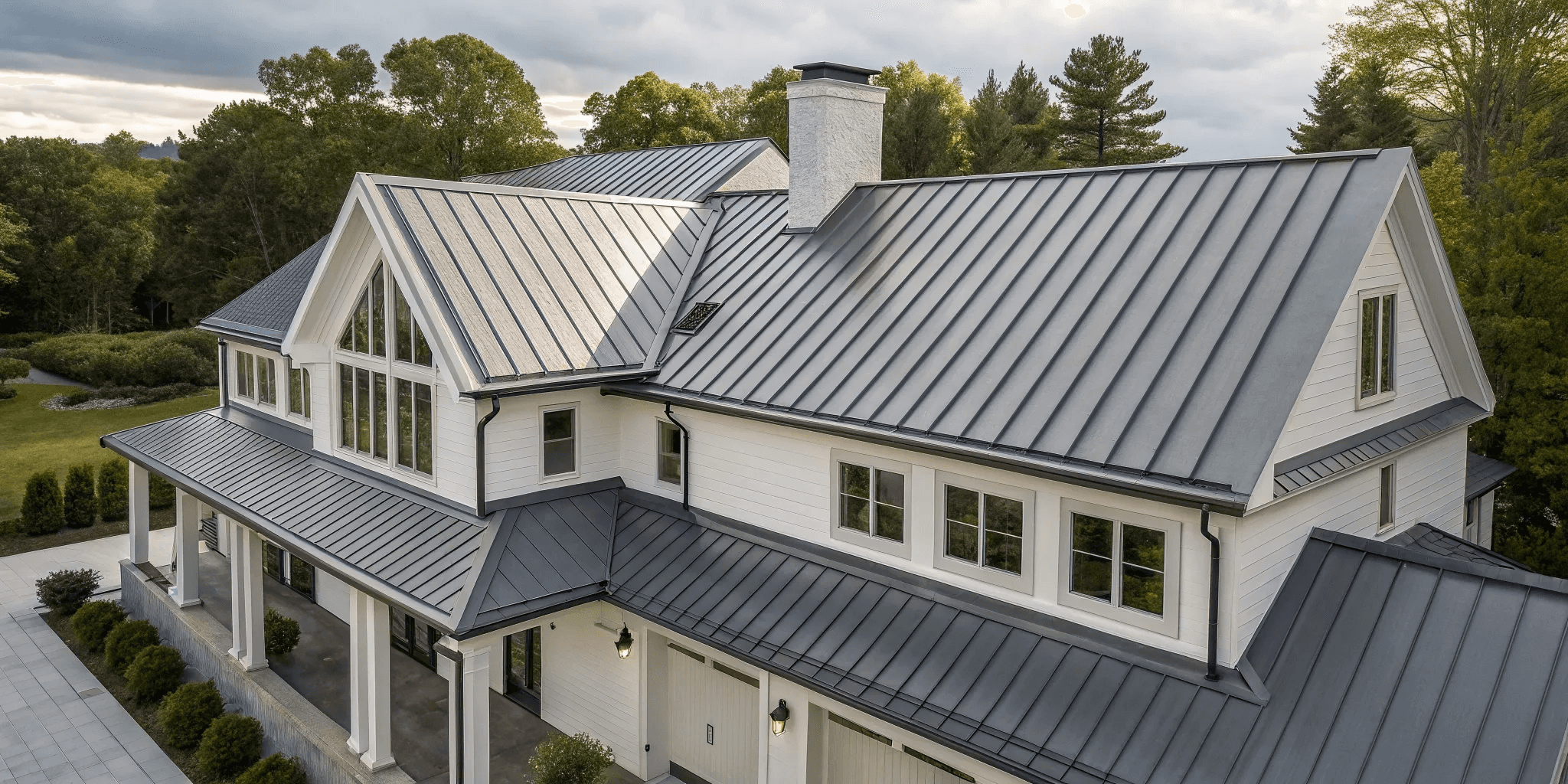
When you hear the term "metal roof," you might picture a rustic barn or a modern industrial building. But today’s metal roofs are incredibly versatile, offering a wide range of styles, colors, and finishes perfect for any home. A metal roof is a roofing system made from metal panels, tiles, or pieces. Unlike traditional materials like asphalt, which degrade over time, metal offers a durable, long-lasting, and surprisingly efficient alternative. The specific type of metal you choose will influence the roof's appearance, cost, lifespan, and performance. Understanding the differences between these materials is the first step in deciding if a metal roof is the right fit for your home.
Steel
Steel is one of the most common materials used for residential metal roofing, and for good reason. It strikes a great balance between affordability and strength. Most steel roofing is galvanized, which means the steel is coated with a layer of zinc to protect it from corrosion and rust. This treatment makes it a durable workhorse that can stand up to harsh weather conditions, from heavy snow to high winds. You can find steel roofing in a variety of colors and styles, allowing it to mimic the look of other materials while providing superior protection and a long service life.
Aluminum
If you live in a coastal area or are focused on energy efficiency, an aluminum roof is an excellent choice. Aluminum is naturally rust-proof, so it holds up exceptionally well against the salty air that can corrode other metals. It’s also one of the most energy-efficient types of metal roofing, as it reflects solar heat and can help you save up to 20% on your cooling costs. As a bonus, aluminum is very lightweight and made from about 95% recycled materials, making it a strong, sustainable option for your home.
Copper
Copper is a premium roofing material prized for its breathtaking beauty and remarkable longevity. A copper roof is a true lifetime investment, often lasting for more than 100 years with minimal maintenance. Over time, it develops a distinctive blue-green patina that adds character and elegance to a property. Copper is naturally resistant to rust and corrosion, making it incredibly durable. While the upfront cost is high, its long lifespan and timeless appeal make it a top choice for historic restorations and high-end custom homes where quality is the primary consideration.
Zinc
Zinc is another high-end roofing material known for its durability, modern aesthetic, and impressive eco-friendly credentials. It requires significantly less energy to produce compared to steel or copper, and it is 100% recyclable, making it a very sustainable option. Zinc is extremely corrosion-resistant and has the unique ability to heal its own scratches over time by forming a protective patina. With a lifespan that can approach 100 years, zinc offers a low-maintenance and long-lasting solution that creates a beautiful, matte-gray finish as it ages.
Stone-Coated Metal
For homeowners who love the look of traditional roofing materials but want the benefits of metal, stone-coated metal roofing is the perfect hybrid. This system typically uses durable steel panels as a base, which are then coated with an acrylic gel and embedded with natural stone granules. The result is a roof that can convincingly replicate the appearance of asphalt shingles, clay tiles, or wood shakes. This gives you the classic aesthetic you want, combined with the superior durability, fire resistance, and lightweight advantages of a metal roof.
What Are the Pros of Metal Roofing?
When you think about a roof, you probably picture traditional asphalt shingles. But metal roofing offers a compelling alternative with a host of benefits that make it a smart investment for many homeowners. From its impressive lifespan to its environmental credentials, a metal roof can provide peace of mind and long-term value. If you're considering an upgrade, it's worth looking at what makes metal a top contender.
Durability and Longevity
A metal roof is a long-term partner for your home. While typical asphalt shingles need replacing every 20 years or so, a properly installed metal roof can last anywhere from 40 to 80 years. This incredible lifespan means you might never have to re-roof your home again. They are also known for being exceptionally low maintenance, requiring little more than occasional inspections and cleaning to stay in top condition. This durability saves you the recurring cost and hassle of replacement, making it a sound financial decision for the future.
Energy Efficiency
One of the most practical advantages of a metal roof is its ability to improve your home's energy efficiency. Metal reflects solar radiant heat, which can significantly reduce cooling costs during hot summer months. Some studies show that a metal roof can cut your energy bills by as much as 40%. In warmer climates, a painted or granular-coated metal roof will reflect heat away from your home. In cooler regions, an unpainted roof can help absorb the sun's warmth in the winter. This adaptability makes metal a smart choice for nearly any climate.
Weather and Fire Resistance
Metal roofs provide superior protection against the elements. They are engineered to withstand strong winds, heavy snow, and even hail. Unlike other materials that can be punctured or torn, metal holds up remarkably well under impact. Furthermore, metal is non-combustible, giving it the highest possible fire rating. For homeowners living in areas prone to wildfires or severe weather, this level of resistance offers an invaluable layer of security and protection for your family and property.
Sustainability
If you're looking for an eco-friendly roofing option, metal is an excellent choice. Metal roofs often contain a significant percentage of recycled material, and at the end of their long life, they are 100% recyclable. This stands in stark contrast to asphalt shingles, which are petroleum-based and contribute millions of tons of waste to landfills each year. By choosing a metal roof, you're opting for a sustainable material that reduces waste and minimizes your home's environmental footprint.
What Are the Cons of Metal Roofing?
While metal roofs have a lot going for them, it's smart to look at the full picture before making a decision. Like any major home improvement project, there are potential downsides to consider. Understanding these challenges will help you weigh the pros and cons and decide if a metal roof is truly the right fit for your home and budget. Let's walk through some of the most common concerns homeowners have with metal roofing.
The Upfront Cost
There's no getting around it: the initial investment for a metal roof is one of its biggest drawbacks. Compared to traditional materials like asphalt shingles, metal roofing has a significantly higher price tag. The materials themselves are more expensive, and the specialized installation adds to the overall cost. While you'll likely save money over the long term due to its longevity and energy efficiency, you need to be prepared for that larger upfront expense. It's a major factor to consider when you plan your budget for a new roof.
Potential for Noise
You've probably heard that metal roofs can be noisy during a rain or hailstorm. There is some truth to this, but it's not always the case. The noise level depends heavily on the quality of the installation. Without proper insulation and a solid roof deck, precipitation can sound much louder than it would on an asphalt shingle roof. Modern installation methods include adding a layer of insulation or installing the metal over existing shingles, which can muffle the sound significantly. Still, if you're sensitive to noise, this is an important point to discuss with your contractor.
Installation Complexity
Installing a metal roof isn't a job for a general handyman. It requires specific tools, training, and expertise to get it right. Because metal roofs are hard to install, you'll need to find a contractor who specializes in this type of roofing. Improper installation can lead to leaks, poor performance, and a shorter lifespan for your roof, completely negating its benefits. Taking the time to vet and hire an experienced professional is absolutely essential to protect your investment and ensure your roof performs as it should for decades to come.
Denting and Scratching
Although metal roofs are known for their durability, they aren't indestructible. Depending on the material you choose, your roof could be susceptible to denting. Softer metals like aluminum and copper can get dents from large hail or falling tree branches. While this damage is often cosmetic and doesn't typically cause leaks, it can affect your home's curb appeal. Scratches can also damage the protective coating on the metal, which could lead to rust over time if not repaired. If you live in an area prone to severe hail or have large trees overhanging your home, this is a definite consideration.
Metal Roofing vs. Traditional Shingles
When it’s time for a new roof, the choice often comes down to two popular options: metal and traditional asphalt shingles. While shingles have been the go-to for decades, metal roofing is gaining serious ground for good reason. Understanding the key differences in cost, longevity, and performance will help you decide which material is the right long-term investment for your home. Let's break down how they stack up against each other.
Cost Comparison
Let’s talk numbers first, because it’s often the biggest factor in any home improvement project. There’s no getting around it: a metal roof has a higher upfront cost than traditional shingles. Installing a metal roof on an average-sized home can be a significant initial investment. In contrast, asphalt shingles are much less expensive to purchase and install, which makes them an attractive option if you're working with a tighter budget. However, that initial price tag doesn't tell the whole story. To get a true sense of the value, you have to look at how long each roof will last and what it will save you over time.
Lifespan Comparison
This is where metal roofing really starts to shine. A well-installed metal roof can last anywhere from 40 to 80 years, meaning it’s very likely the last roof you’ll ever need to put on your house. Asphalt shingles, on the other hand, typically need to be replaced every 20 years or so, depending on your climate and the quality of the shingle. When you factor in the cost of replacing a shingle roof two, three, or even four times, the metal roof pros and cons start to look very different, and the higher initial cost of metal often proves to be the more economical choice in the long run.
Performance and Energy Savings
Beyond durability, a metal roof can actively save you money every month. Metal surfaces are excellent at reflecting solar heat away from your home. This means your house stays cooler in the summer, putting less strain on your air conditioning system and potentially cutting your energy bills significantly. While shingle colors can make a small difference, asphalt naturally absorbs more heat. A metal roof can reflect a large percentage of the sun's rays, keeping your attic and home much cooler than a traditional shingle roof would, which is a huge plus in warmer climates.
Installation Differences
The installation process for these two materials is quite different. Metal roofing typically comes in large panels or sheets that interlock, creating a tight, durable seal against the elements. This process requires specialized tools and expertise. Asphalt shingles are smaller, installed in overlapping layers, and nailed down. Because shingles are so common, more roofing contractors are familiar with installing them, which can sometimes make the process quicker and less expensive from a labor standpoint. The interlocking nature of metal panels, however, is a key part of what makes them so resilient against wind and rain.
How to Choose the Right Metal Roof
Picking the right metal roof is about balancing aesthetics, performance, and your budget to find the perfect match for your home. It's a long-term investment in your home's protection and curb appeal. By considering a few key factors, from your local weather to your home’s architectural style, you can confidently select a roof that you’ll love for decades. Let's walk through what you need to know to make a great choice.
Consider Your Local Climate
Your home’s location plays a huge role in choosing the right metal. If you live in a coastal area with salty air, you’ll want a material like aluminum that resists corrosion. For regions with heavy snowfall, a standing-seam metal roof is a great choice because its smooth panels help shed snow easily. In sunny, hot climates, a metal roof with a reflective coating can help keep your home cooler and reduce energy bills. Thinking about your local weather patterns first will help you narrow down your options and ensure your roof is built to last.
Match Your Home's Style
Today’s metal roofing comes in a huge variety of styles and colors to complement any home. You can find metal panels that mimic the look of traditional asphalt shingles, classic slate, or even Spanish tile, all while providing superior durability. A sleek standing-seam roof can give a modern home a clean look, while stone-coated steel shingles add texture to a traditional house. The key is to choose a roofing profile that enhances your home’s existing architecture and improves its curb appeal.
Understand Fasteners and Installation
This detail makes a big difference in your roof’s look and performance. Metal roofs use either exposed or concealed fasteners. Exposed fasteners are visible screws that go through the panel, a traditional and often less expensive option. Concealed fasteners are hidden beneath the panels, creating a seamless, modern look. While they can cost more, concealed fastener systems offer better protection against leaks and require less maintenance, making them a popular choice for long-term durability.
Plan Your Budget and Material
A metal roof is an investment, so it’s important to plan your budget. While the upfront cost is higher than for asphalt shingles, a metal roof can save you money over time. They can last 40 to 80 years, meaning you may never have to replace your roof again. Different materials come at different price points; steel is usually the most affordable, while copper is a premium option. When you calculate your budget, remember to factor in long-term savings from reduced maintenance and potential energy efficiency credits.
How to Maintain Your Metal Roof
One of the best things about a metal roof is how little day-to-day attention it needs. But low-maintenance doesn't mean no-maintenance. A little proactive care will ensure your roof lasts for its full 50-plus-year lifespan and continues to protect your home effectively. Think of it as a simple annual check-up for one of your home’s most important features. By following a few straightforward steps, you can prevent small issues from turning into costly repairs and keep your roof looking and performing its best for decades.
Schedule Annual Inspections
Getting a clear view of your roof’s condition is the first step in proper maintenance. While you can do a quick visual check from the ground twice a year, perhaps in the spring and fall, it’s a good idea to schedule a professional inspection. An expert has the right safety gear and training to spot subtle signs of trouble you might miss from below. Most professionals recommend a detailed structural maintenance check every one to two years. This regular review helps you catch potential issues like loose panels, sealant failures, or minor damage early, saving you stress and money down the road.
Keep It Clean and Clear of Debris
Over the seasons, it’s natural for leaves, twigs, and other debris to collect on your roof, especially in valleys or against chimneys. It’s important to clear this away at least once a year, or more often if you live in a heavily wooded area. When organic matter sits on the surface, it traps moisture against the panels, which can lead to stains or even scratches on the roof’s finish. While you’re at it, make sure your gutters and drains are completely clear. Clogged gutters can cause water to back up and sit against the roof edge, creating a risk for rust and water damage over time.
Check Fasteners and Seams
The fasteners and seams are where your roof is most vulnerable to leaks, so they deserve special attention. If your roof has exposed fasteners (screws you can see), they should be checked annually to ensure they are still tight and the rubber washers haven't become brittle. Over time, thermal expansion and contraction can cause them to loosen. A professional should also inspect panel seams and the flashing around chimneys, skylights, or vents. These are common areas where separation can occur, so keeping a close eye on them is key to a watertight and secure roof system for years to come.
Care for the Coating and Finish
The finish on your metal roof does more than just provide color; it’s a critical protective layer that works hard for you. These special coatings are designed to prevent rust, reflect solar heat, and waterproof the surface. Most modern finishes are incredibly durable and require very little care beyond gentle cleaning. However, you should always avoid harsh chemicals or abrasive tools like wire brushes. For specific materials like copper, which develops a natural patina, applying certain oils every few years can help manage its aging process. Always check the manufacturer’s guidelines for the best way to care for your specific roof’s finish.
Frequently Asked Questions
Is the high upfront cost of a metal roof really worth it? It’s true that the initial price tag for a metal roof is higher than for traditional shingles, and that can be a tough number to swallow. However, it’s helpful to think about the total cost of ownership over the life of your home. A metal roof can last two to four times longer than an asphalt roof, meaning you avoid the expense and hassle of multiple replacements down the road. When you add in the potential monthly savings on your energy bills and the fact that you’re investing in a durable, low-maintenance asset, the long-term value often makes that initial investment a very smart financial decision.
Will my house be noisy during a rainstorm with a metal roof? This is probably the most common question I get, and it’s a valid concern. The idea of a loud, drumming sound during a storm isn't appealing to anyone. The good news is that this is mostly a myth with modern metal roofs. When installed correctly over a solid roof deck with proper insulation, a metal roof is often no louder than any other type. The sound is more of a soft, gentle pitter-patter. If noise is a major concern for you, be sure to discuss insulation options with your contractor.
Can a metal roof be installed over my old asphalt shingles? In many situations, yes, you can install a metal roof directly over a single layer of existing asphalt shingles. This is often called a "roof-over" or "overlay." Doing so can save you money on the labor and disposal costs of tearing off the old roof, and the shingles can even provide an extra layer of sound insulation. However, this isn't always possible. It depends on your local building codes and the condition of your current roof deck. A professional contractor must inspect the structure first to make sure it's sound enough to support the new system.
What happens if a part of my metal roof gets damaged? While metal roofs are incredibly tough, damage from something like a large falling branch can happen. The great thing about a metal roofing system is that it's often modular. In many cases, a qualified roofer can repair or replace just the damaged panel or section without having to redo the entire roof. This makes repairs much more straightforward and cost-effective compared to other roofing types where a small area of damage might compromise a much larger section.
Will a metal roof make my home more likely to be struck by lightning? This is a classic myth, but it’s completely false. A metal roof does not attract lightning or increase the chances of your home being struck. In the unlikely event that lightning does strike your house, a metal roof is actually a safer option. Because metal is a conductive material, it helps disperse the electrical charge safely through the structure. More importantly, metal is non-combustible, so it will not catch fire, which is a serious risk with materials like wood or asphalt shingles.