Date:
Editor:
Dealing with an ingrown toenail once is bad enough, but finding yourself in a recurring cycle of pain and relief is incredibly frustrating. If it feels like you’ve barely recovered from one just before another starts, you’re not alone. The real solution isn’t just about knowing how to fix an ingrown toenail each time it flares up; it’s about understanding the root cause and preventing it from happening again. This guide is designed to help you break that cycle for good. We will cover not only immediate treatment options but also the simple, long-term habits for nail trimming, footwear, and foot hygiene that will keep your toes healthy and pain-free.
Key Takeaways
Focus on Proper Nail and Shoe Habits: The best way to prevent an ingrown toenail is to trim your nails straight across and wear shoes with a wide toe box. These two simple habits stop the nail from growing into the surrounding skin.
Know Your Limits with Home Treatment: Gentle home care, like warm soaks, can help a mildly sore toe. However, you should see a doctor immediately if you notice signs of infection (like pus or spreading redness) or if you have a condition such as diabetes.
See a Podiatrist for Lasting Relief: For recurring problems or infections, a podiatrist provides a definitive solution. They can safely treat the issue and perform a minor procedure to prevent the nail from becoming ingrown again, ending the cycle of pain.
What Is an Ingrown Toenail?
An ingrown toenail is exactly what it sounds like: a toenail that has grown into the soft skin alongside it. This usually happens to the big toe, and it can be surprisingly painful. The problem starts when the corner or edge of your toenail begins to curve and dig into the surrounding flesh. At first, you might just feel a little discomfort or pressure, but it can quickly progress into something much more bothersome.
You’ll likely notice redness, swelling, and tenderness around the affected nail. The area might also feel warm to the touch, which is a sign of inflammation. If the nail breaks the skin, it creates an open door for bacteria to get in, which can lead to an infection. An infected ingrown toenail can produce pus, throb with pain, and become a more serious issue if left untreated. While it’s a very common foot problem, it’s also one that can cause significant pain and disruption to your daily life, making it hard to wear shoes or even walk comfortably. Understanding what causes it is the first step in both treating it and preventing it from happening again. Our team provides a range of podiatry services to handle everything from minor irritations to more complex nail problems.
What Causes Them?
So, how does a toenail decide to grow in the wrong direction? It’s usually not just one thing but a combination of factors. The most common culprits are often related to our daily habits. Cutting your nails too short or rounding the corners can encourage the skin to fold over the nail, guiding it to grow inward. The shoes you wear also play a huge role. Footwear that’s too tight, narrow, or short can squeeze your toes together, forcing the nail into the skin. High heels are particularly notorious for this, as they shift your weight forward and put immense pressure on your toes. Other causes can include an injury like stubbing your toe, having naturally curved or thick nails, or even genetics.
Are You at Risk?
While anyone can get an ingrown toenail, some people are more likely to deal with them. Teenagers and athletes are often at higher risk because they tend to have sweaty feet, which softens the skin and makes it easier for a nail to penetrate. As we get older, our toenails can naturally thicken and become more difficult to trim properly, increasing the risk. If your parents frequently dealt with ingrown toenails, you might be more susceptible, too, thanks to hereditary traits like the shape of your nails. However, for most of us, the biggest risk factors are the ones we can control. The two most common and preventable causes are improper nail trimming and wearing ill-fitting shoes. Paying attention to these two simple habits is your best defense.
Do I Have an Ingrown Toenail?
That nagging pain in the corner of your big toe might be more than just a minor annoyance. If the area is tender, red, and a little swollen, you could be dealing with an ingrown toenail. This common and frustrating problem happens when the edge of your toenail starts growing into the soft skin surrounding it instead of straight out. While it can happen to any toe, the big toe is the most frequent culprit.
Recognizing the problem early is the key to finding relief and preventing a more serious issue. The initial signs can be subtle, but they tend to get worse without care. Knowing what to look for helps you decide whether you can handle it at home or if it’s time to call in a professional.
Early Signs to Look For
In the beginning, an ingrown toenail might just feel like a slight discomfort, especially when you’re wearing shoes. As the nail continues to press into your skin, the symptoms become more obvious. An ingrown toenail happens when the edge of the nail, usually on the big toe, grows into the skin around it. This can cause pain, swelling, and redness.
Pay attention to these early warning signs:
Pain and tenderness along one or both sides of the nail
Redness around the toenail
Swelling in the skin next to the nail
A feeling of warmth in the affected toe
Catching it at this stage gives you the best chance to manage it before it gets worse. Our team regularly helps patients with these types of common foot problems.
Spotting an Infection
If an ingrown toenail is left untreated, the break in the skin can allow bacteria to enter, leading to an infection. This is when the problem becomes more serious and requires medical attention. Your body will send clear signals that it’s fighting off an infection, and it’s important not to ignore them.
It’s time to stop any home treatment and call a professional if you notice:
Throbbing pain, increased swelling, or spreading redness
Pus or yellowish fluid draining from the area
Red streaks leading away from the toe
Feeling feverish or having chills
These symptoms are your body’s alarm bells. Don't wait for it to get worse. It's important to schedule an appointment with a podiatrist right away to get the proper care and prevent further complications.
How to Treat an Ingrown Toenail at Home
If you've caught your ingrown toenail early and it's not showing signs of a serious infection, you might be able to manage it at home. These steps are designed to relieve pain and encourage the nail to grow out correctly, away from the sensitive skin it's digging into. The key is to be gentle, consistent, and clean. Home treatment is all about creating the right environment for your toe to heal itself without further irritation.
However, it's incredibly important to know when home care isn't the right choice. You should skip these steps and see a podiatrist right away if you have diabetes, nerve damage in your feet, or poor circulation. For individuals with these conditions, even a small foot issue can quickly become a serious health risk, and professional services are essential.
Likewise, if your toe is extremely painful, the redness is spreading up your foot, or you notice any pus, that's your body signaling an infection that needs medical attention. Don't wait it out. Trying to handle an infection on your own can lead to complications. For a simple, sore ingrown nail without these warning signs, following a careful routine can bring relief. If at any point you feel unsure or the problem isn't improving after a few days, it's always best to make an appointment and get an expert opinion.
Step 1: Soak Your Foot
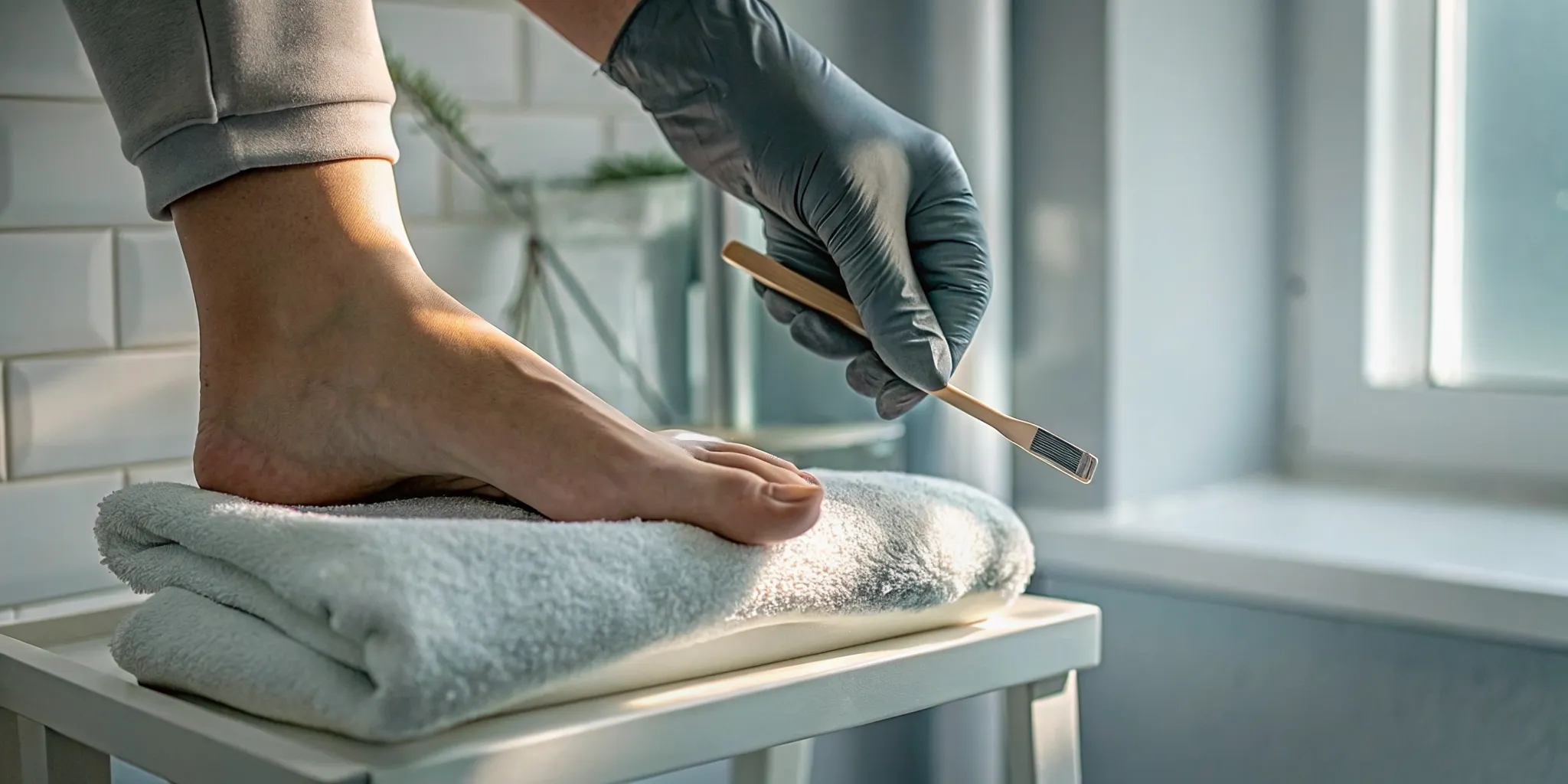
Start by giving your foot a good soak. Fill a basin with warm water, add a bit of mild soap or some Epsom salts, and let your foot rest in it for about 15 to 20 minutes. Doing this three to four times a day can work wonders. The warm water helps reduce swelling and tenderness, making the whole area less painful. More importantly, it softens the skin and the nail itself. This is a crucial first step because it makes the following actions much easier and less uncomfortable. Think of it as prepping the area for a little TLC.
Step 2: Gently Lift the Nail
After each soak, when your skin is soft, it's time for a very gentle maneuver. Dry your foot thoroughly, paying special attention to the area around the ingrown nail. Using a clean finger or a soft tool like a cotton swab, carefully push the swollen skin away from the edge of your toenail. The goal is to create a small gap between the skin and the nail. This helps relieve the constant pressure that's causing the pain. Be patient and gentle; forcing it can make things worse. This simple action can provide immediate relief and helps guide the nail outward.
Step 3: Place Cotton Under the Nail
This step helps train your nail to grow away from the skin. After gently lifting the skin fold, take a tiny piece of sterile cotton or a small piece of dental floss and carefully wedge it under the corner of the ingrown nail. This creates a small cushion that lifts the nail edge, preventing it from digging back into your skin as it grows. You'll want to change the cotton or floss daily, or every time you soak your foot, to keep the area clean. This technique is one of the most effective home remedies for encouraging proper nail growth.
Step 4: Apply Ointment and Bandage
Protecting the area from infection is key. After you've placed the cotton, apply a small amount of over-the-counter antibiotic ointment to the tender spot. This helps create a barrier against bacteria and keeps the skin soft. Once you've applied the ointment, cover the entire toe with a sterile bandage. The bandage not only keeps the ointment in place and the cotton secure but also provides a bit of cushion against bumps and pressure from your socks. Change the bandage daily or whenever it gets wet to maintain a clean healing environment.
Step 5: Give Your Toe Some Space
What you wear on your feet matters a lot when you're healing an ingrown toenail. Tight shoes or socks that squeeze your toes will only increase the pressure and pain, working against all your efforts. For the next few days, or until your toe feels better, choose your footwear wisely. Opt for open-toed shoes, sandals, or at least shoes with a wide toe box that gives your feet plenty of room. Going barefoot at home is also a great option. Giving your toe the space it needs will reduce irritation and allow it to heal much faster.
Common Mistakes to Avoid with Home Treatment
When you're dealing with a painful ingrown toenail, it's tempting to try anything to get relief. While the home care steps we've covered can be very effective, a few common missteps can actually make the situation worse, leading to more pain or even a serious infection. Knowing what not to do is just as important as knowing what to do. To help your toe heal properly, be sure to steer clear of these mistakes. If you're ever unsure about the right approach, our team of expert physicians is always here to guide you.
Cutting Your Nail the Wrong Way
It’s a common impulse to want to dig in and cut away the corner of the nail that’s causing pain. Please resist this urge! Cutting your nails in a curve or trimming the corners too short can set you up for another ingrown toenail down the road. The correct way to trim your toenails is straight across. This encourages the nail to grow forward instead of into the delicate skin on the sides of your toe. Leave the corners a little longer so they can clear the skin as they grow. This simple habit is one of the best ways to prevent future problems.
Ignoring Signs of Infection
While a little redness and swelling are normal with an ingrown toenail, it's crucial to watch for signs that things are getting worse. An infection is not something you can just soak away. Contact your doctor right away if you notice increased pain, spreading redness or warmth, pus draining from the area, or red streaks moving up from your toe. A fever is another serious red flag. These symptoms mean the problem has gone beyond a simple ingrown nail and requires professional medical attention. Don't wait for it to get worse; an untreated infection can lead to serious complications.
Wearing Tight Shoes
You can do everything right with your home treatment, but if you squeeze your foot back into the wrong shoes, you’ll undo all your hard work. Tight, narrow shoes and high heels put immense pressure on your toes, which can make an ingrown toenail much more painful and inflamed. High heels are particularly problematic because they shift your body weight forward, jamming your toes into the front of the shoe. While your toe is healing, opt for footwear that gives it plenty of space. Think open-toed sandals or shoes with a wide, roomy toe box. Giving your toe some breathing room is essential for a quick and comfortable recovery.
When Is It Time to See a Podiatrist?
Home remedies can be a lifesaver for a mild ingrown toenail, but they aren't always the answer. Sometimes, your toe needs professional help to heal properly and prevent more serious issues. Knowing when to switch from self-care to seeing a podiatrist is key. It’s not about giving up; it’s about making the smartest choice for your health. If your symptoms are getting worse or you have certain health conditions, it’s time to let an expert take over.
Warning Signs You Shouldn't Ignore
Your body is pretty good at telling you when something is wrong, and an infected ingrown toenail is no exception. If you notice the problem escalating, it's a clear sign to seek medical attention. Pay close attention to any signs of infection, which can include increased pain, swelling, warmth, or redness around the toe. You might also see pus draining from the area or red streaks spreading out from the nail. A fever is another major red flag that the infection might be spreading. These symptoms mean the problem has moved beyond a simple irritation and requires a doctor's care to resolve safely.
Who Should See a Doctor Right Away?
For some people, an ingrown toenail isn't just a minor annoyance; it's a significant health risk that requires immediate attention from a foot specialist. If you have diabetes, poor blood circulation, or nerve damage that causes numbness in your feet, don't attempt to treat an ingrown toenail at home. These conditions can affect your body's ability to heal and fight infection, turning a small issue into a severe complication. You should also see a doctor right away if you suspect an infection, if home treatments haven't helped after a few days, or if you find yourself dealing with ingrown toenails over and over again.
What Happens If You Wait Too Long?
Putting off a visit to the podiatrist might seem harmless, but it can allow the problem to get much worse. An untreated ingrown toenail can lead to a serious infection that can spread to the underlying bone. Even if it doesn't get that severe, waiting too long means enduring unnecessary pain that can interfere with your daily life. If your toe is extremely painful, red, swollen, or has pus, it's a clear signal that home remedies aren't working. It's time to stop experimenting and make an appointment for professional care.
How a Podiatrist Treats an Ingrown Toenail
If home remedies haven't worked or your ingrown toenail is getting worse, it’s time to call in a professional. A podiatrist has the tools and expertise to treat the problem safely and effectively, bringing you much-needed relief. Unlike home treatments, professional procedures are performed in a sterile environment, which significantly reduces the risk of complications or further infection.
When you visit a podiatrist, they will first assess the severity of your ingrown toenail and check for signs of infection. From there, they will recommend the best course of action for your specific situation. The goal is not just to fix the immediate problem but also to prevent it from happening again. The expert physicians at The Foot & Ankle Group are experienced in a variety of treatments, from simple nail trimming to minor surgical procedures, ensuring you get the right care for your feet.
Partial Nail Removal
For a painful, swollen, or infected ingrown toenail, a partial nail removal is often the best solution. This is a very common and straightforward procedure performed right in the office. First, your podiatrist will numb your toe completely, so you won’t feel any pain during the treatment. Then, they will carefully cut away the edge of the nail that is digging into your skin, removing the source of the irritation. This provides immediate relief from the pressure and pain. The nail will naturally grow back over the next two to four months, and your podiatrist will give you guidance on how to prevent it from becoming ingrown again.
Full Nail Removal
If you find yourself dealing with the same stubborn ingrown toenail over and over, your podiatrist might suggest a more permanent solution. A full or partial nail removal with a matrixectomy involves removing the offending part of the nail along with the underlying nail matrix, which is the tissue it grows from. This is done using a chemical solution or laser. By treating the nail matrix, your doctor can stop that specific part of the nail from ever growing back. This procedure is a game-changer for anyone tired of the recurring pain and hassle of chronic ingrown toenails, offering a long-term fix.
Preventing Regrowth
One of the biggest advantages of seeing a podiatrist is the focus on long-term prevention. While home remedies can sometimes offer temporary relief, they don’t always address the root cause, leading to the problem coming back. Professional ingrown toenail services are designed to be more effective at preventing regrowth. Procedures that remove the nail matrix have a very high success rate in stopping the nail from becoming ingrown again. Even after a simple partial removal, your podiatrist will provide you with personalized advice on proper nail care and footwear to keep your toes healthy and pain-free in the future.
Prescribing Antibiotics for Infection
If your ingrown toenail is infected, you’ll notice increased redness, swelling, throbbing pain, and possibly pus. It’s important not to ignore these signs. When you see a podiatrist, they will not only treat the nail itself but also address the infection. After removing the ingrown portion of the nail, your doctor may prescribe oral or topical antibiotics to clear up the infection and prevent it from spreading. This two-part approach ensures that your toe can heal properly. Trying to handle an infected ingrown toenail on your own can be risky, so it's always best to seek professional medical care.
What to Expect During Recovery
Recovery from an in-office ingrown toenail procedure is usually quick and simple. After the treatment, your podiatrist will apply an antibiotic ointment and a bandage to your toe. It’s a good idea to bring a pair of open-toed shoes or sandals to wear home for comfort. Most people can go back to their normal daily activities within a day. You’ll need to avoid strenuous exercises like running for a short period, but your doctor will let you know when it’s safe to resume all your activities. If you’re ready to get relief, you can schedule an appointment to discuss your treatment options.
How to Keep Ingrown Toenails from Coming Back
Once you’ve successfully treated an ingrown toenail, the last thing you want is for it to come back. The good news is that preventing another one is often a matter of making a few small adjustments to your routine. By being mindful of how you care for your feet, you can significantly reduce your chances of dealing with this painful problem again.
Focusing on prevention is the best way to keep your feet healthy and pain-free. It all comes down to three key habits: trimming your nails correctly, wearing the right shoes, and maintaining good foot hygiene. These simple steps don’t take much time, but they make a world of difference in stopping ingrown toenails before they can even start. If you find that you’re getting recurring ingrown toenails despite your best efforts, it might be time to consult one of our physicians for a personalized care plan.
Trim Your Nails the Right Way
One of the most common causes of an ingrown toenail is improper trimming. It’s tempting to round the corners of your toenails like you do with your fingernails, but this can encourage the nail to grow into the surrounding skin. Instead, always cut your toenails straight across. You can use a nail file to gently soften any sharp corners afterward if you need to.
Be careful not to cut them too short. A good rule of thumb is to leave the nail long enough that you can still get your fingernail under the sides and end. This helps ensure the nail grows forward, not downward into your skin. Making this simple change to your trimming technique is a powerful step in preventing future pain.
Wear Shoes That Actually Fit
Constant pressure from shoes that are too tight is a major culprit behind ingrown toenails. When your toes are crammed together, the nail is more likely to be pushed into the skin. Give your feet a break by choosing footwear with a wide toe box that allows your toes to lie flat and have a little wiggle room. It’s also wise to limit your time in high heels, which force your weight forward and squeeze your toes.
If you have trouble finding shoes that fit well or have other foot issues, custom orthotics can provide the support you need and help distribute pressure more evenly across your feet. Also, opt for socks that wick away moisture to keep your feet comfortable and dry throughout the day.
Keep Your Feet Clean and Dry
Good hygiene is fundamental to overall foot health and plays a key role in preventing ingrown toenails and infections. Wash your feet with soap and water daily, and make sure to dry them completely, especially the area between your toes where moisture can get trapped. If your feet tend to sweat a lot, consider changing your socks midday to keep them dry.
Soaking your feet in warm, soapy water for about 15 minutes a couple of times a week can also help. This practice softens the nail and the surrounding skin, making it less likely for the nail edge to become sharp and dig in. If you continue to struggle with ingrown toenails, don't hesitate to schedule an appointment with us for professional guidance.
Find Expert Foot Care in Mount Laurel, Columbus, Bordentown, and Philadelphia
While home remedies can offer relief for a mild ingrown toenail, it’s important to know when to call in a professional. If the pain gets worse, you see signs of infection like increased redness or pus, or if the problem keeps coming back, it’s time to stop the DIY treatments. Trying to fix a severe or infected ingrown toenail on your own can lead to more serious complications, and a podiatrist has the right tools and expertise to treat it safely and effectively. They can provide a range of services to give you immediate relief and prevent the issue from happening again.
If you live in the area, finding expert care is straightforward. The Foot & Ankle Group has convenient locations in Mount Laurel, Columbus, and Bordentown, NJ, as well as Philadelphia, PA, making it easy to get the help you need. You shouldn’t have to live with foot pain, especially when a team of specialists is right in your neighborhood. Persistent pain that makes it hard to walk or a toenail that is deeply embedded in the skin are clear signs that you need to see a podiatrist.
Don’t wait for the problem to become unbearable. Our dedicated team of physicians is experienced in treating all types of foot and ankle issues, including stubborn ingrown toenails. We focus on providing gentle, effective care to get you back on your feet without pain. If you’re struggling with an ingrown toenail and home treatments aren’t cutting it, schedule an appointment with us today.
Related Articles
Frequently Asked Questions
How long should I try home treatments before calling a doctor? If you have been consistent with soaking and gentle care for two or three days and see no improvement, or if the pain is getting worse, it's time to make a call. Home remedies are for mild cases caught early. They are not meant for long-term management, and you should not have to endure pain for days on end hoping it gets better. If you feel unsure at any point, it is always smarter to get a professional opinion.
I think my toenail is infected. Can I just use antibiotic ointment from the store? While over-the-counter antibiotic ointment is great for preventing infection in a minor case, it cannot cure an existing one. An infection needs more serious attention because the problem is happening under the skin where the ointment cannot reach effectively. If you see pus, spreading redness, or have throbbing pain, you need a podiatrist to properly address the area and likely prescribe oral antibiotics to clear the infection from the inside out.
Will it hurt to have a podiatrist remove part of my nail? This is a very common concern, and the answer is no, it should not hurt. Before the podiatrist does anything, they will numb your entire toe with a local anesthetic. You might feel a small pinch from the injection, but after that, the toe will be completely numb. You will not feel the procedure itself, just the relief that comes after the source of the pain is gone.
I keep getting ingrown toenails on the same toe. What am I doing wrong? It might not be anything you are doing wrong at all. While improper trimming and tight shoes are common causes, some people are just more prone to them due to genetics. You might have inherited nails that are naturally very curved or thick, which makes them more likely to grow inward. If you are dealing with recurring ingrown toenails despite your best efforts, a podiatrist can offer a permanent solution to stop that edge of the nail from growing back.
Do I have to wear open-toed shoes after getting an ingrown toenail treated? While you do not have to live in sandals forever, giving your toe some space is crucial for healing. Immediately after treatment, your toe will be bandaged, so wearing a sandal or a very roomy shoe on the way home is a good idea. For the next few days, it is best to avoid any footwear that puts pressure on the area. Once it is less tender, you can return to regular shoes, but try to choose ones with a wide toe box to prevent the problem from happening again.