How to Get Rid of Calluses on Feet Permanently
Date:
Editor:
The Foot & Ankle Group
You’ve soaked, you’ve filed, and you’ve moisturized, but that callus on your foot just won’t quit. It’s a frustrating experience that leaves many people wondering how to get rid of calluses on feet permanently. The truth is, permanent removal is possible, but it involves looking beyond the surface. A callus is a symptom of an underlying pressure point. To stop it from returning, you must address the source of that pressure. This could be as simple as changing your footwear or as complex as correcting a gait issue with custom orthotics. This guide provides a complete roadmap, from effective home care strategies to the professional treatments that finally offer long-term relief.
Key Takeaways
Address the Root Cause: Understand that calluses are a symptom of friction and pressure. To get rid of them permanently, you must find and fix the source, which is often poorly fitting shoes or an underlying foot issue.
Treat Mild Cases Safely at Home: You can manage minor calluses with a gentle routine of soaking, exfoliating with a pumice stone, and moisturizing. Never use sharp objects to cut them, and see a podiatrist if you have diabetes, pain, or signs of infection.
Focus on Prevention: Keep calluses from coming back by wearing shoes that fit well, maintaining a daily foot care routine, and using protective padding. For recurring problems, a podiatrist can provide custom orthotics for long-term relief.
What Are Calluses (And Why Do They Form)?
If you’ve noticed a patch of tough, thick skin on the bottom of your foot, you’ve likely met a callus. Think of it as your body’s natural armor. When a part of your foot experiences constant pressure or friction, your skin builds up extra layers to protect itself. While this is a smart defense mechanism, calluses can become more than just a cosmetic issue. They can grow large, feel uncomfortable, crack, or snag on your socks. Understanding why they appear is the first step toward getting smooth, healthy feet.
Is It a Callus or a Corn?
It’s easy to mix up calluses and corns, since both are patches of hard skin caused by friction. The main difference comes down to size, location, and pain. Calluses are generally larger, spread-out areas of thickened skin that often appear on the ball of your foot, your heel, or the side of your big toe. They usually aren't painful. Corns, on the other hand, are smaller, more focused areas of hard skin with a dense core. They tend to pop up on the tops of or in between your toes and can be quite painful when you walk. If you're unsure what you're dealing with, a podiatrist can provide a clear diagnosis for these and other common foot conditions.
What Causes Calluses on Your Feet?
Calluses are your body’s response to repeated stress. That thick skin is a shield against constant pressure and rubbing. The most common culprit behind this is your footwear. Shoes that are too tight squeeze your feet, while shoes that are too loose allow your foot to slide around and create friction. High heels and shoes with narrow toe boxes are also notorious for creating pressure points that lead to calluses. Your daily activities, like standing for long periods or participating in sports, can also contribute. Essentially, anything that puts consistent strain on specific spots on your feet can signal your skin to build up that protective, hardened layer.
When Are Calluses a Cause for Concern?
Most calluses are harmless, but sometimes they signal a bigger issue or require professional attention. You should stop any at-home treatments and see a doctor if the area starts to bleed, ooze pus, or becomes severely painful, as these can be signs of an infection. It’s also time to get it checked out if a callus keeps coming back despite your best efforts or if it doesn’t improve after a few weeks of home care. A podiatrist can confirm it’s actually a callus (and not a wart or cyst) and create a safe treatment plan. If you're experiencing any of these issues, it's best to schedule an appointment for a professional evaluation.
How to Safely Remove Calluses at Home
If you have mild calluses, you can often manage them yourself with a consistent at-home routine. The key is to be gentle and patient. While these steps can provide relief, remember that deep or painful calluses are best left to a professional. Our team offers a range of podiatry services to safely and effectively treat stubborn foot issues. For simple cases, however, following a safe, multi-step process can help you get smoother, more comfortable feet.
Step 1: Start with a Soothing Foot Soak
Before you do anything else, give your feet a good soak. Fill a basin with warm water and let your feet rest in it for about 10 to 15 minutes. You can add Epsom salts if you like, as they can help soothe tired feet, but plain warm water works just fine. This step is essential because it softens the thick, hardened skin of the callus, making it much easier and safer to treat in the next step. Think of it as prepping your canvas; it makes the whole process more effective and helps you avoid irritating the healthy skin underneath.
Step 2: Gently Exfoliate the Area
Once the skin is soft from the soak, it’s time to gently exfoliate. Use a pumice stone or a foot file to carefully rub the callus. Move the tool in small circles or gentle side-to-side motions. The goal is to remove the top layers of dead skin, not the entire callus at once. Avoid scrubbing too hard, as this can cause irritation or break the skin. A light touch is all you need. Do this for a few minutes, then rinse and dry your feet completely before moving on to the next step.
Step 3: Apply a Softening Treatment
After exfoliating, apply a treatment that can continue to soften the callus. Creams containing urea (look for concentrations between 20% and 40%) are excellent for this. Urea is a keratolytic, which means it helps break down the protein that makes up the thick layer of dead skin. Apply a small amount of the cream directly to the callus. For the best results, do this at night and slip on a pair of clean cotton socks to help the cream absorb while you sleep. This helps the active ingredient work for several hours.
Step 4: Moisturize and Protect Overnight
Deeply moisturizing the area is a simple yet powerful step. If you don’t have a urea-based cream, you can use a thick layer of petroleum jelly. Apply it generously to the callus, then cover your foot with a cotton sock before bed. This traps moisture overnight, helping to deeply hydrate and soften the hardened skin. It’s a low-risk method that supports the exfoliation process and helps keep the skin on your feet supple and healthy, preventing new calluses from forming as quickly.
Common Mistakes to Avoid at Home
Your safety comes first, so there are a few things you should never do. Do not use razors, scissors, or any sharp tools to try and cut off a callus. This is incredibly risky and can easily lead to a deep cut and a serious infection. Also, pay close attention to how your foot responds to treatment. If you see any bleeding or pus, feel sharp pain, or if the callus doesn’t improve after about three weeks of home care, it’s time to stop. These are signs that you need professional help, so you should schedule an appointment with a podiatrist.
When to See a Podiatrist for Calluses
While a good foot soak and a pumice stone can handle minor calluses, some situations call for a professional. If you've tried everything at home and that tough patch of skin isn't budging, or if it's causing you real pain, it's time to see an expert. A podiatrist can offer safe, effective services that go far beyond what you can do at home. They can properly diagnose the issue, because what looks like a callus could actually be a wart or a cyst. More importantly, they can identify the underlying cause, like pressure points from your footwear or a specific issue with your foot's structure.
For some people, especially those with conditions like diabetes or poor circulation, attempting to treat calluses at home can be risky and may lead to serious complications. A podiatrist visit isn't just about removal; it's about getting a clear diagnosis, a safe treatment plan, and a long-term strategy to keep your feet healthy and pain-free. Ignoring persistent foot problems won't make them go away, but a quick visit to one of our physicians can get you on the right track.
Signs It's Time for Professional Help
It's easy to dismiss a callus as a minor annoyance, but your body might be telling you it's time for a professional look. If a callus becomes painful, bleeds, or keeps coming back no matter what you do, that's a clear sign to make an appointment. Pain is your body's way of saying something is wrong, and a recurring callus points to an unresolved pressure or friction issue. You should also seek help if you're not entirely sure what you're looking at. It's common to mistake a plantar wart or a cyst for a callus. A podiatrist can give you a definite diagnosis, pinpoint the pressure spots causing the problem, and create a safe plan to get you back on your feet comfortably.
Who Should Always See a Doctor First?
For some people, DIY callus removal is simply off the table. If you have diabetes, poor circulation, or nerve damage (neuropathy) in your feet, you should always see a podiatrist before trying any home treatments. These conditions can reduce blood flow and sensation in your feet, making you more vulnerable to cuts, infections, and other serious complications from what seems like a minor procedure. A small scrape from a foot file could turn into a non-healing wound. Don't take the risk. Your foot health is too important, so the first step should always be to schedule an appointment for a safe and professional evaluation.
How a Podiatrist Treats Calluses
If your calluses are painful, persistent, or you have an underlying condition like diabetes, it’s time to skip the home remedies and see a professional. A podiatrist can offer safe, effective treatments that provide immediate relief and address the root cause of the problem. At The Foot & Ankle Group, our expert physicians use a few key methods to get your feet feeling smooth and comfortable again. These professional approaches are designed to remove the callus correctly and create a plan to keep it from coming back.
Professional Paring (Debridement)
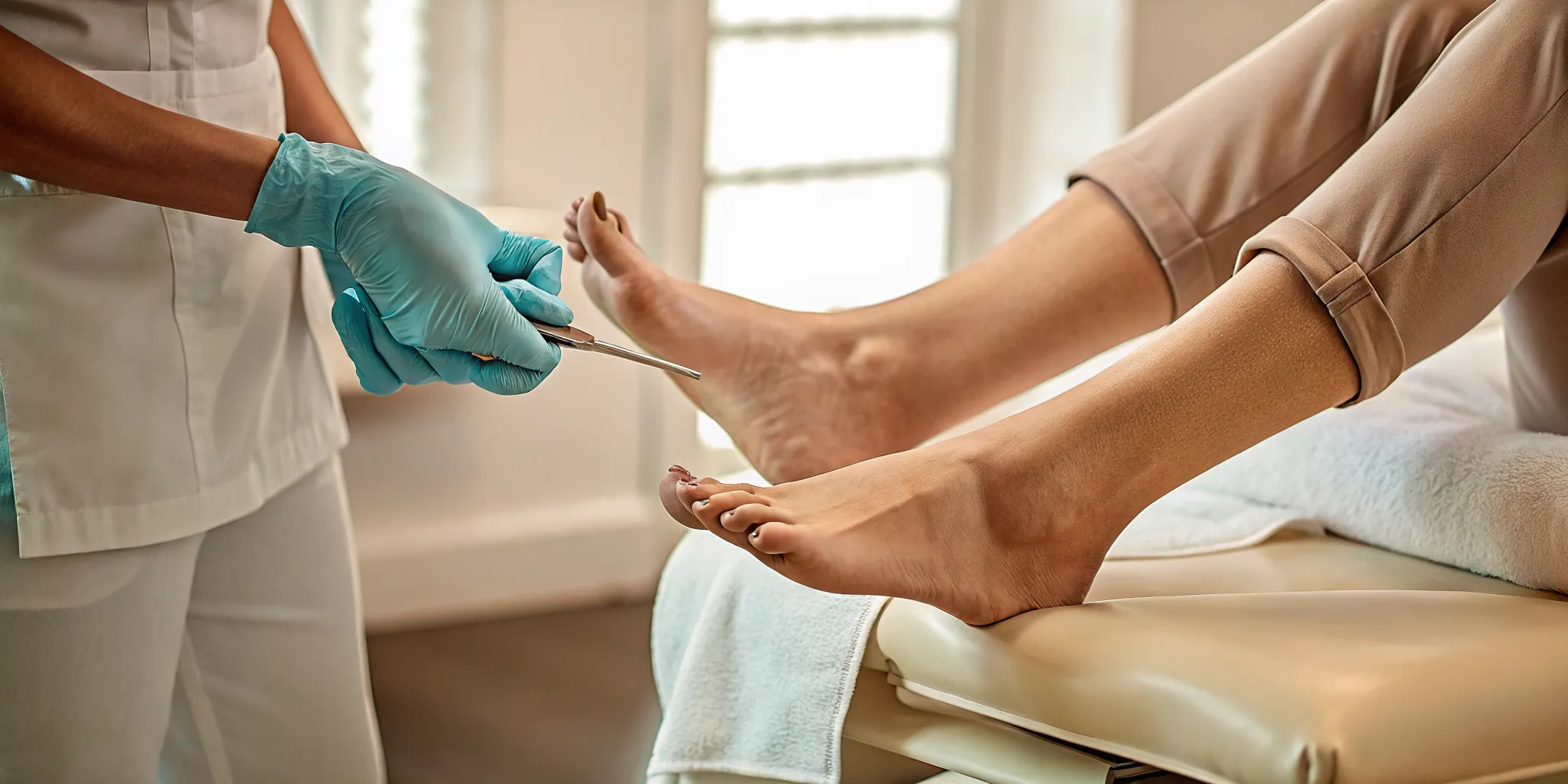
One of the most common and effective treatments a podiatrist performs is called debridement. During this procedure, your doctor uses a special, sterile surgical tool to carefully pare down the thick, hardened layers of skin. While it might sound a little intense, the process is typically painless because the skin being removed is already dead. This provides instant relief from the pain and pressure the callus was causing. It’s a precise technique that should only be performed by a medical professional to prevent injury or infection, so please don’t try this at home with your own tools.
Custom Orthotics for Lasting Relief
Removing the existing callus is only half the battle. To prevent it from returning, your podiatrist needs to address the reason it formed in the first place, which is usually excessive pressure or friction on one area of your foot. This is where custom orthotics can make a huge difference. Unlike generic, one-size-fits-all inserts from a drugstore, custom orthotics are specifically molded to the unique shape of your feet. They work by redistributing pressure evenly, correcting alignment issues, and providing support where you need it most. This helps eliminate the friction spots that lead to calluses, making them a fantastic long-term solution.
Prescription-Strength Treatments
For very stubborn or deep calluses, your doctor might recommend a prescription-strength topical treatment. These are often medicated patches or solutions containing a higher concentration of an ingredient like salicylic acid, which works to break down and dissolve the tough layers of skin. Because these treatments are much more powerful than what you can buy over the counter, they require a podiatrist’s supervision to ensure they are used safely and effectively without damaging the surrounding healthy skin. Your doctor will give you clear instructions on how to apply them as part of your overall treatment plan.
How to Keep Calluses from Coming Back
Once you’ve successfully treated your calluses, the last thing you want is for them to return. Preventing calluses is all about addressing the root cause: that pesky friction and pressure. By making a few simple adjustments to your routine, you can keep your feet smooth, comfortable, and callus-free for the long haul. Think of it as proactive care that saves you time and discomfort down the road. These preventative steps are your best defense against future buildup, helping you maintain healthy feet day in and day out.
Wear Shoes That Actually Fit
This might sound obvious, but a surprising number of us wear shoes that are the wrong size or shape for our feet. Ill-fitting footwear is a primary cause of calluses. When your shoes are too tight, they squeeze and rub against your skin. When they're too loose, your foot slides around, creating friction with every step. The solution is to choose shoes that give your toes plenty of room to wiggle and don't pinch your heels. It’s a great idea to get your feet measured professionally, preferably at the end of the day when they are slightly swollen. Replacing old, worn-out shoes that have lost their cushioning is also key to preventing pressure points.
Use Protective Padding or Insoles
For areas that are prone to calluses, a little extra protection can make a world of difference. You can use over-the-counter options like moleskin or soft gel pads to cushion sensitive spots, especially if you know you’ll be on your feet all day. For more generalized discomfort, cushioned insoles can provide an extra layer of shock absorption. If you find that calluses keep forming in the same spot, it might be a sign of an underlying structural issue. In that case, custom orthotics designed specifically for your feet can provide targeted support and correct pressure imbalances for lasting relief.
Stick to a Simple Foot Care Routine
A little daily attention goes a long way in preventing calluses. You don’t need a complicated regimen, just consistency. Try to get into the habit of moisturizing your feet every day with a thick cream to keep the skin soft and pliable. A few times a week, you can soak your feet in warm, soapy water for about 10 minutes to soften the skin. Afterward, you can gently scrub away any rough patches with a pumice stone or foot file. The key here is "gently." The goal is to prevent thick skin from building up, not to aggressively remove it, which can cause more irritation.
Keep Your Feet Clean and Dry
Good hygiene is fundamental to overall foot health. Washing your feet daily with soap and water helps remove sweat, dirt, and bacteria that can lead to skin problems. Just as important is drying them thoroughly, paying special attention to the spaces between your toes. Trapped moisture can lead to fungal infections and skin breakdown, making your feet more vulnerable to friction. Choosing socks made from moisture-wicking materials like wool or synthetic blends can also help keep your feet dry and comfortable. If you have any questions about proper foot hygiene, feel free to contact our team.
Address Foot Problems Promptly
Often, recurring calluses are a symptom of a bigger issue. Structural foot problems like bunions, hammertoes, or flat feet can change the way you walk, creating abnormal pressure points that lead to calluses. If you notice a callus that keeps coming back in the same spot despite your best efforts, it’s a good idea to get it checked out. Ignoring these underlying conditions means the calluses will likely persist. A podiatrist can diagnose the root cause and create a treatment plan to address it. Don't wait for the problem to get worse; schedule an appointment to get the answers and care you need.
Can You Get Rid of Calluses for Good?
So, can you really say goodbye to calluses forever? The short answer is yes, but it’s not as simple as just scraping them away. Most calluses won't disappear on their own, and even if you remove them, they have a stubborn habit of returning. Think of a callus as your skin’s defense mechanism. It’s a patch of hardened skin that builds up to protect a sensitive area from repeated friction or pressure. Unless you get to the bottom of what’s causing that friction in the first place, your body will just keep rebuilding that defense. True, permanent relief comes from a two-part approach: treating the existing callus and addressing the root cause to prevent it from coming back.
Why Addressing the Root Cause Is Key
To get rid of calluses for good, you have to play detective and figure out why they’re forming. The most common culprit is your footwear. Shoes that are too tight, too loose, or lack proper support create pressure points and rubbing that trigger your skin to thicken. High heels and shoes with narrow toe boxes are especially notorious for causing calluses. Other factors, like your foot structure or the way you walk, can also contribute. A podiatrist can provide a full range of services to diagnose the specific cause. Until you remove that source of irritation, whether it’s by changing your shoes or correcting a gait issue, the callus will likely keep returning.
Your Follow-Up Plan with a Podiatrist
If your calluses are persistent, painful, or just plain frustrating, a follow-up plan with a podiatrist is your best bet for lasting relief. Our physicians do more than just remove the hardened skin. We conduct a thorough evaluation to identify the specific pressure points and underlying issues causing the callus to form. From there, we develop a personalized treatment plan that might include anything from professional removal and custom orthotics to recommendations for better footwear. This comprehensive approach ensures we’re not just treating the symptom, but solving the problem. If you’re ready to get to the root of the issue, you can request an appointment with our team today.
Related Articles
Podiatry Services & Foot & Ankle Treatments | The Foot & Ankle Group
Foot & Ankle Specialists in Mount Laurel & Philadelphia | The Foot & Ankle Group
Frequently Asked Questions
What's the most common mistake people make with at-home callus care? The biggest mistake is being too aggressive. Many people try to remove the entire callus at once, often using sharp tools like razors or scissors. This is incredibly dangerous and can lead to deep cuts and serious infections. Safe home care is a gradual process of gently softening and exfoliating the skin over time. If you feel any pain or see any bleeding, you've gone too far.
If I treat my callus at home, how long should it take to see results? With a consistent routine of soaking, gentle exfoliation, and moisturizing, you should start to notice the skin becoming softer and less thick within one to two weeks. However, complete removal can take longer depending on the callus's size and thickness. If you don't see any improvement after about three weeks, or if the callus becomes painful, it's a good idea to get it checked by a professional.
Are my shoes always the reason I get calluses? While ill-fitting shoes are the most frequent cause, they aren't the only one. Your foot's unique structure and the way you walk (your gait) also play a significant role. Conditions like bunions, hammertoes, or flat feet can create unusual pressure points that lead to calluses, even if you wear supportive shoes. A podiatrist can help determine if an underlying structural issue is the real source of the problem.
If my callus doesn't hurt, is it okay to just leave it alone? For many people, a small, painless callus isn't a major issue and can be left alone. It's your body's natural way of protecting itself. However, you should keep an eye on it. If it continues to grow, starts to crack, or begins snagging on your socks, it's wise to start a gentle home care routine. Ignoring a growing callus can lead to discomfort or pain later on.
How are custom orthotics different from the insoles I can buy at a pharmacy? Think of drugstore insoles as a one-size-fits-all solution that provides general cushioning. Custom orthotics, on the other hand, are medical devices prescribed by a podiatrist and created from a precise mold of your feet. They are designed to correct your specific foot mechanics, redistribute pressure away from problem areas, and provide targeted support. This makes them a much more effective long-term solution for preventing calluses caused by structural foot issues.