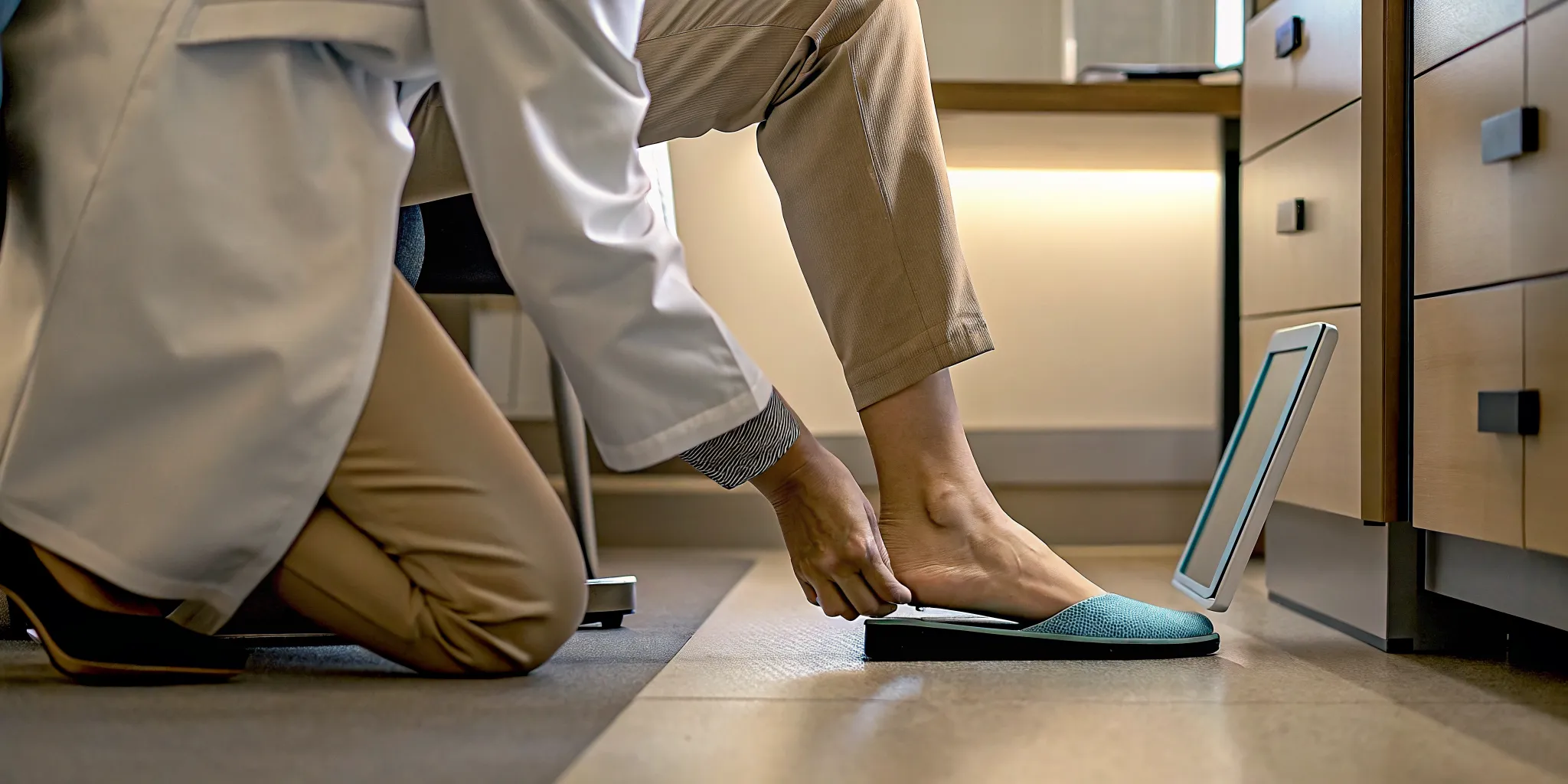
Who to See for Foot Inserts in Mount Laurel, NJ
Date:
Editor:
The Foot and Ankle Group
Your feet are the foundation of your entire body, and when they're out of alignment, it can cause a chain reaction of pain that travels up to your knees, hips, and even your lower back. Many people try to treat this pain at the source, visiting chiropractors or physical therapists, without realizing the problem actually starts from the ground up. Generic shoe inserts can’t fix these foundational issues because they aren't designed for your specific foot structure or gait. A custom orthotic, prescribed by a podiatrist, works by correcting your foot’s alignment and providing support exactly where you need it. This can resolve the root cause of your discomfort. If you're tired of chasing symptoms, it's time to ask: who should I see for foot inserts in Mount Laurel, NJ, to address my body's alignment?
Key Takeaways
Custom orthotics are a medical treatment, not just a cushion: Unlike store-bought inserts that provide temporary padding, custom orthotics are prescribed by a podiatrist to correct your specific foot structure and alignment issues.
A podiatrist's exam is essential for real results: An expert evaluation involves a gait analysis and a precise 3D scan of your feet, which is necessary to create a device that addresses the root cause of your pain.
Think of the cost as an investment in your whole body: By correcting your foot alignment, custom orthotics can resolve pain in your knees, hips, and back, making them a valuable investment in your long-term mobility and daily comfort.
Custom Orthotics vs. Store-Bought Inserts: What's the Difference?
If you're dealing with foot pain, you've probably considered shoe inserts. Walking through any pharmacy, you'll see a wall of options promising relief. But there's a big difference between those off-the-shelf insoles and the custom orthotics prescribed by a podiatrist. While both go in your shoes, one offers generic cushioning while the other is a medical device designed specifically to correct your unique foot issues. Understanding this distinction is the first step toward finding real, lasting relief.
The Problem with Generic Inserts
Store-bought inserts can seem like a quick and affordable fix. They're designed to provide extra cushioning and some general arch support, which might feel good initially. The problem is, they are mass-produced and not tailored to your specific foot structure or biomechanical needs. Using an insert that isn't right for you can do more harm than good, potentially altering your gait and posture in negative ways. Unlike these generic options, custom orthotics are prescription medical devices created to address your individual foot problems, from plantar fasciitis to flat feet, providing precise correction where you need it most.
How Custom Orthotics Are Made
Creating custom orthotics is a detailed, personalized process that starts with a thorough evaluation from a podiatrist. Your doctor will examine your feet, analyze how you walk (your gait), and discuss your specific symptoms and lifestyle. Next, they will take a precise, three-dimensional impression of your feet using a foam box, plaster cast, or a digital 3D scanner. This mold, along with your podiatrist’s specific prescription for correction, is sent to a professional laboratory. There, technicians fabricate a durable, supportive orthotic designed to fit your foot perfectly and address your unique needs. The final product is usually ready for you within one to two weeks.
Signs You Might Need Custom Orthotics
It’s easy to dismiss foot pain as a normal part of life, but it’s often your body’s way of telling you something is wrong. Your feet are your body's foundation, and when they don’t have the right support, it can cause a ripple effect of aches and pains. While over-the-counter inserts offer some cushioning, they can’t correct the underlying biomechanical issues that might be causing your discomfort. Custom orthotics, on the other hand, are medical devices prescribed by a podiatrist and crafted to fit the unique contours of your feet. They work by correcting alignment, redistributing pressure, and providing support exactly where you need it.
Recognizing the signs that you might benefit from custom orthotics is the first step toward finding lasting relief. These aren't just about foot pain; sometimes, the clues show up in your knees, hips, or even your lower back. If any of the following issues sound familiar, it might be time to see how our podiatry services can help you get back on your feet, pain-free. Understanding these symptoms can help you decide if a professional evaluation is your next best step.
Plantar Fasciitis and Heel Pain
If you’ve ever felt a sharp, stabbing pain in your heel with your first steps in the morning, you may have plantar fasciitis. This common condition is caused by inflammation of the thick band of tissue that runs across the bottom of your foot. The pain can be intense and make walking miserable. Custom orthotics are designed to support your arch and cushion the heel, which reduces the strain on your plantar fascia. This not only helps relieve the immediate pain but also gives the tissue a chance to heal properly, preventing future flare-ups.
Flat Feet or High Arches
The structure of your foot arch plays a huge role in how your body absorbs shock and distributes weight. If you have flat feet, your arches collapse, often causing your foot to roll inward. On the other hand, high arches can create too much pressure on the ball and heel of your foot. Both conditions can lead to pain and instability. Custom orthotics are made specifically for your foot structure. They provide the support you lack or the cushioning you need to guide your foot into a more ideal position, ensuring pressure is spread evenly with every step you take.
Arthritis and Joint Pain
Arthritis can make the small joints in your feet and ankles stiff, swollen, and painful, turning simple movements into a challenge. While there is no cure for arthritis, you can manage the symptoms effectively. Custom orthotics can help by cushioning sensitive joints and limiting painful motion, making it more comfortable to stay active. For people with arthritis, a proper fit is essential, as a poorly fitting device can cause more harm than good. That’s why getting a diagnosis and prescription from one of our physicians is the safest and most effective approach.
Diabetic Foot Care
For individuals with diabetes, foot care is not just about comfort; it's a critical part of overall health. Diabetes can lead to poor circulation and nerve damage (neuropathy), which reduces sensation in the feet. This means a small cut or blister can go unnoticed and develop into a serious ulcer. Custom orthotics are a key tool in preventative diabetic foot care. They are designed to accommodate your foot shape and reduce pressure on vulnerable areas, significantly lowering the risk of skin breakdown and other dangerous complications.
Pain in Your Knees, Hips, or Lower Back
Did you know that persistent pain in your knees, hips, or lower back could actually be starting in your feet? Your body is a connected system, and if your feet are out of alignment, it can throw off your entire posture. This forces other joints to compensate, leading to strain and chronic pain over time. If you’ve tried everything for your back pain with no luck, the source could be your feet. By correcting your foot alignment, custom orthotics can resolve the foundational issue, often relieving pain further up the body. If this sounds like you, it's worth scheduling an appointment for an evaluation.
Why See a Podiatrist for Custom Orthotics?
When it comes to your feet, expertise matters. While you can find shoe inserts in any pharmacy, a custom orthotic from a podiatrist is a completely different tool designed specifically for your body. It’s a medical device created to correct your unique foot structure and gait. Seeing a specialist is the best move you can make for your long-term foot health, and here’s why.
The Podiatrist's Expert Approach
A podiatrist doesn't just hand you an insert off the shelf. They start with a comprehensive evaluation of your feet, ankles, and how you walk. This is about getting to the root cause of your pain, not just masking the symptoms. After this thorough check-up, a Doctor of Podiatric Medicine (DPM) will take a 3D scan or physical mold of your feet. This creates a precise model that captures every curve and contour. From there, your podiatrist writes a detailed prescription for the orthotics lab, specifying the exact materials and corrections needed to support your feet and improve your body’s alignment. This expert-led process ensures your orthotics provide targeted foot and ankle care.
Podiatrist vs. Orthopedist: Who Should You See?
It’s a common question: podiatrist or orthopedist? While both are skilled doctors, their focus is different. An orthopedist treats the entire musculoskeletal system, from your shoulders to your knees. A podiatrist, on the other hand, is a dedicated foot and ankle specialist. They spend years exclusively studying, diagnosing, and treating conditions below the knee. For something as intricate as your foot’s biomechanics, you want a specialist who lives and breathes this stuff. The physicians at The Foot & Ankle Group are experts in both non-surgical and surgical solutions, meaning they can manage your care every step of the way.
Key Qualifications to Look For
When choosing a podiatrist, look for key credentials that signal a high level of expertise. The most important one is board certification. A podiatrist who is board certified by the American Board of Foot and Ankle Surgery (ABFAS) has passed rigorous exams and demonstrated advanced knowledge in foot and ankle surgery and care. You can also look for the title "Fellow," which often indicates that a doctor has met even higher standards of education and experience. These qualifications aren't just letters after a name; they are your assurance that your doctor is committed to providing the best possible care and is up-to-date on the latest treatments.
What to Expect at Your First Orthotics Appointment
If you’ve decided to explore custom orthotics, you might be wondering what the process looks like. It’s a lot more straightforward than you might think. Your first appointment is all about understanding your unique needs, from your foot structure to your lifestyle. The goal is to gather all the information necessary to create a device that provides targeted support and relief. Our team is here to guide you through every step, ensuring you feel comfortable and informed from the initial assessment to your final fitting.
Your Foot Assessment and Gait Analysis
Your first visit starts with a conversation. Your podiatrist will want to hear about the specific pain you're experiencing, your daily activities, and the types of shoes you typically wear. Next comes a hands-on examination of your feet and ankles to check for structural issues, areas of tenderness, and your range of motion. A key part of this evaluation is the gait analysis. This simply means your doctor will watch you walk. Observing your foot mechanics in motion provides critical information about how your body absorbs impact and distributes pressure, helping pinpoint the source of your discomfort. This thorough assessment is the foundation for our podiatry services.
Getting Fitted for Your Custom Orthotics
Once your assessment is complete, it’s time to create a perfect model of your feet. Your podiatrist will take a precise, 3D impression using a method like a foam box, plaster casting, or a digital scanner. This mold captures every contour of your foot, ensuring your orthotics are truly custom-made for you. The impression is then sent to a specialized lab where your orthotics are crafted. This process typically takes one to two weeks. When your orthotics are ready, you’ll come back for a fitting appointment. One of our physicians will make sure they fit correctly inside your shoes and make any small, on-the-spot adjustments for optimal comfort.
Follow-Up Care and Adjustments
Getting your custom orthotics is the beginning of your journey to better alignment and comfort, not the end. It can take a little time for your body to adapt to the new support, so consistent communication with your podiatrist is important. We schedule follow-up appointments to check on your progress and see how you’re feeling. These visits are the perfect opportunity to discuss what’s working and what isn’t. If needed, we can make further adjustments to your orthotics to ensure they are providing the best possible results. Your long-term relief is our priority, and you can easily schedule your initial consultation or follow-up appointments online.
How to Choose the Right Podiatrist in Mount Laurel, NJ
Finding the right doctor is a personal decision, and when it comes to your feet, you want an expert you can trust. Your podiatrist will be your partner in relieving pain and improving your mobility, so it’s important to find a good fit. Taking the time to research your options in the Mount Laurel area will help you feel confident in your choice and set you up for a successful outcome. Here are a few key things to consider as you search for the right podiatrist for your custom orthotics.
Find a Specialist in Orthotics and Biomechanics
Not all foot care is the same. When you need custom orthotics, you want a podiatrist who specializes in biomechanics, which is the study of how your body moves. This expertise is crucial because custom orthotics are much more than simple shoe inserts. A podiatrist with this focus understands the complex relationship between your feet, ankles, knees, and back. They will perform a detailed analysis of your gait and foot structure to create a truly custom device. A skilled podiatrist takes a 3D mold of your foot and creates a specific plan for how the orthotic should be made. Look for a practice that highlights its experience with custom orthotics to ensure you get this level of specialized care.
Check Patient Reviews and Ratings
Patient reviews offer a window into what it’s really like to visit a doctor’s office. While a doctor’s qualifications are essential, their bedside manner and the helpfulness of their staff also make a huge difference in your experience. Look for patterns in what people say. Do patients mention feeling listened to? Are they happy with their treatment results? Websites like Healthgrades are a good place to start, as they often provide information on a doctor's education, experience, and patient feedback. Reading through reviews can help you find a podiatrist whose approach to care aligns with what you’re looking for, giving you peace of mind before you even book an appointment.
Look for Professional and Hospital Affiliations
A podiatrist’s affiliations can tell you a lot about their standing in the medical community. When a doctor is affiliated with a respected local hospital, it means they have met the hospital's high standards for credentialing and patient care. This is also important because it ensures a seamless process if you ever need hospital-based procedures. Additionally, look for memberships in professional organizations, such as the American Podiatric Medical Association (APMA). This signals a commitment to staying current with the latest advancements in foot and ankle care. You can usually find this information on a practice’s website, often on the page introducing their team of physicians.
Questions to Ask Before Your First Visit
Don’t be afraid to be an active participant in your health care. Before committing to a new podiatrist, it’s a good idea to have a few questions ready. You can start by asking your primary care physician for a referral, but you should also do your own research. When you call the office, you can ask about their experience with your specific condition, what the orthotic fitting process involves, and which insurance plans they accept. A friendly and transparent office staff will be happy to answer your questions, helping you feel comfortable and informed before you schedule your first visit.
The Cost of Custom Orthotics in Mount Laurel, NJ
It’s natural to wonder about the price tag when considering a medical device like custom orthotics. The cost can feel like a big hurdle, but it’s helpful to think of it as an investment in your daily comfort and long-term health. The final price depends on a few factors, including the complexity of your foot condition and your insurance coverage. Let’s break down what you can expect so you can make an informed decision for your feet and your budget.
Will Insurance Cover Custom Orthotics?
Let's get the big question out of the way: will your insurance help pay for custom orthotics? The answer is often yes, but it depends on your specific plan. Many insurance providers will cover at least some of the cost if a podiatrist determines the orthotics are medically necessary to treat your condition. For instance, Medicare usually provides coverage for individuals with diabetes. Because every plan is different, the best first step is to check your specific benefits. Our team can also help you understand your coverage, so feel free to contact us with any questions.
Understanding Out-of-Pocket Costs
If you're paying out-of-pocket, a pair of truly custom orthotics from a podiatrist’s office typically costs between $400 and $800. While you might see cheaper kits online, they don't include the crucial medical exam and precise fitting from a specialist. Think of it as a long-term investment. A quality $500 pair can last for several years, which breaks down to about $125 per year. Compare that to buying $40 over-the-counter inserts four times a year, which costs more annually and won't provide the same targeted support. When you’re ready to invest in lasting relief, you can schedule an appointment to get started.
Where to Get Custom Orthotics in Mount Laurel, NJ
Once you’ve decided that custom orthotics are the right path for your foot health, the next step is finding a trusted local provider. This is a crucial part of the process. You want a team that not only understands the science of biomechanics but also takes the time to understand your specific needs, activity level, and lifestyle. The best providers use modern technology to get a precise picture of your foot structure and movement, ensuring your orthotics are built just for you.
When you start looking, you’ll find that not all practices approach orthotics the same way. Some may still use older, less accurate methods like foam box impressions. For a long-term investment in your health, it’s worth seeking out a specialist who uses advanced diagnostic tools. This ensures your orthotics will provide the exact support you need to relieve pain and improve function. In Mount Laurel, you have excellent options for this level of expert care, so you don’t have to settle for a one-size-fits-all solution.
The Foot & Ankle Group
If you're looking for a team that checks all the boxes, The Foot & Ankle Group is a leading provider of custom orthotics in the Mount Laurel area. Their team of highly skilled, board-certified podiatrists specializes in the biomechanics of the foot and ankle, so you can feel confident you’re getting care from true experts. They look at the whole picture of your health, not just your symptoms.
Their process uses advanced scanning technology to create a precise digital map of your feet, which is far more accurate than a traditional foam impression. This detailed data allows them to design a truly custom device that provides support exactly where you need it. Whether you're an athlete, stand all day for work, or are managing pain from a condition like plantar fasciitis, they create an orthotic that fits your life. You can easily schedule an appointment to get started.
Are Custom Orthotics a Good Investment for Your Health?
When you see the price tag for custom orthotics, it’s natural to wonder if they’re truly worth it. The short answer is yes. It’s helpful to think of them less as a simple purchase and more as a long-term investment in your daily comfort and overall health. Unlike the generic inserts you can grab off a shelf, custom orthotics are medical devices prescribed by a podiatrist and built specifically for the unique shape and needs of your feet. This personalized approach is what makes all the difference.
The benefits of custom orthotics extend far beyond your feet. By providing tailored support, they help distribute pressure evenly, guide proper foot motion, and absorb the shock that travels up your body with every step. This can have a profound impact on your entire musculoskeletal system. That nagging pain in your knees, hips, or lower back might actually be starting from the ground up. By correcting imbalances in your feet, a proper pair of orthotics can improve your body’s alignment and provide significant pain relief throughout your body.
While the initial cost may seem like a lot, many insurance plans will cover a portion of the expense if a doctor deems them medically necessary. When you weigh that cost against the potential for years of chronic pain, reduced mobility, and a lower quality of life, the value becomes clear. Investing in a custom orthotic treatment is an investment in your ability to walk, work, and live without pain. If you're ready to find a lasting solution, you can schedule an appointment to see if they are the right choice for you.
Related Articles
Podiatry Services & Foot & Ankle Treatments | The Foot & Ankle Group
Foot & Ankle Specialists in Mount Laurel & Philadelphia | The Foot & Ankle Group
Frequently Asked Questions
How are custom orthotics really different from the inserts I can buy at a store? Think of it like this: a store-bought insert is like buying reading glasses off the rack, while a custom orthotic is like getting a prescription from an eye doctor. The inserts you find in a pharmacy offer general cushioning, but they aren't designed to correct your specific foot structure. A custom orthotic, on the other hand, is a medical device created from a precise 3D model of your feet, prescribed by a podiatrist to correct your unique biomechanical issues and provide support exactly where you need it.
How long will my custom orthotics last? With proper care, a good pair of custom orthotics can last for several years. The lifespan depends on the materials used, your activity level, and how often you wear them. While the initial cost is higher than over-the-counter options, their durability makes them a much better long-term investment. You won't have to constantly replace them every few months like you would with flimsy store-bought inserts.
Will I need to buy special shoes to wear with my orthotics? For the most part, no. Custom orthotics are designed to fit into most supportive, well-fitting shoes, like your favorite sneakers or work shoes. The key is that the shoe should have a removable insole to make room for the orthotic. We always recommend bringing a pair of your everyday shoes to your fitting appointment to ensure a perfect fit and to get advice on what shoe styles will work best.
How long does it take to get used to wearing new orthotics? Your body will need a little time to adjust to the new support and alignment. We typically recommend a gradual break-in period. You might wear them for just an hour or two on the first day and slowly increase the time over a week or two until you can wear them comfortably all day. It's normal to feel some initial awareness of the device in your shoe, but it shouldn't be painful.
My back hurts, but my feet feel fine. Could orthotics still help me? Yes, they absolutely could. Your body is a connected system, and your feet are its foundation. If your feet are not properly aligned, it can create a chain reaction that forces your knees, hips, and lower back to compensate. This can lead to chronic pain in those areas, even if your feet don't hurt. By correcting the alignment of your feet, custom orthotics can often resolve pain further up the body.