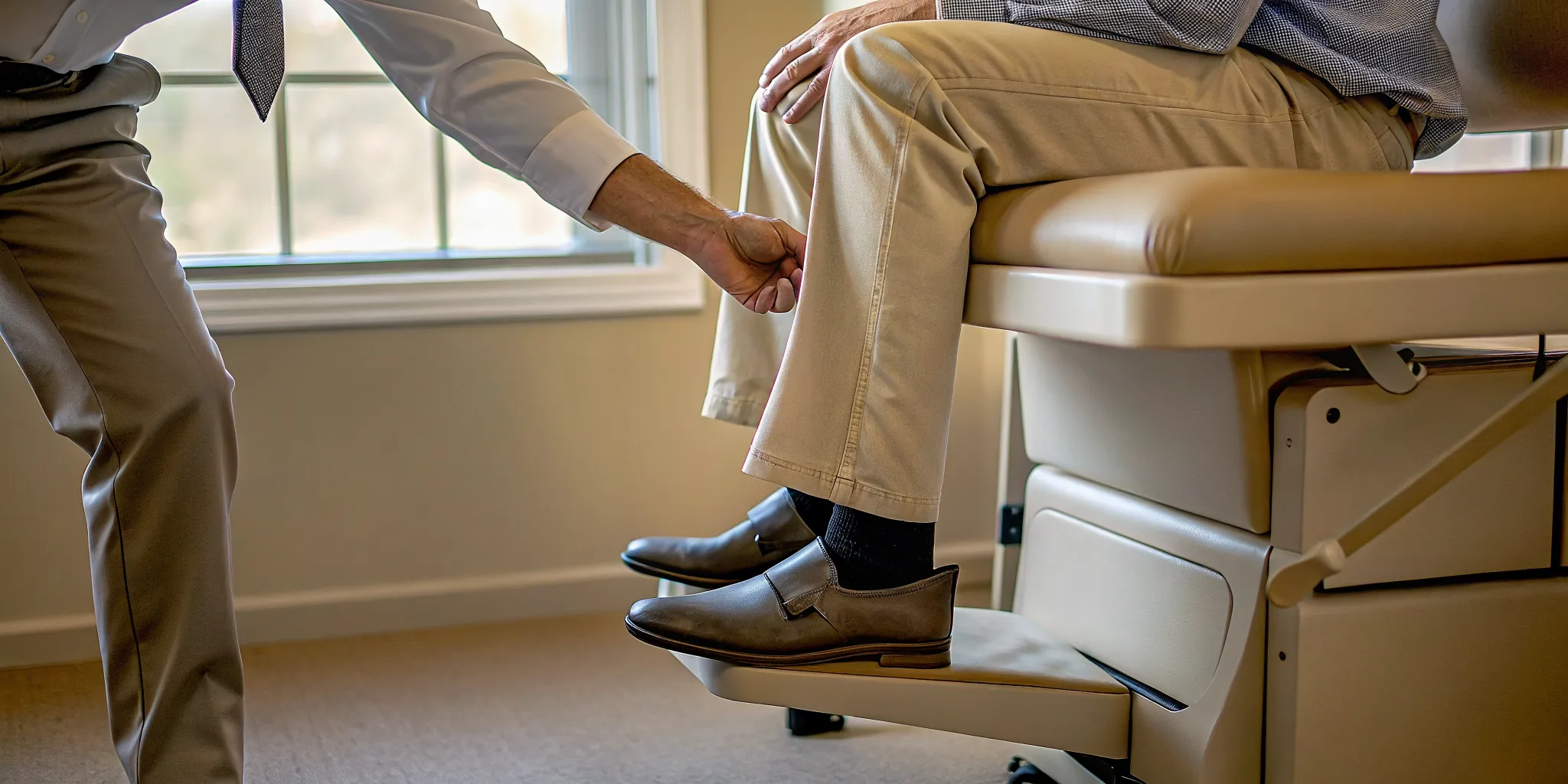
Who Should I See for Foot Inserts in Columbus, NJ?
Date:
Editor:
The Foot & Ankle Group
Let’s be honest: the world of foot support can be confusing. You have drugstore brands, kiosk scanners, and medical specialists all offering solutions for foot pain. How do you know which path is right for you? The answer lies in understanding the difference between a product that cushions and a device that corrects. A generic insole provides padding, but a custom orthotic actively realigns your foot to improve function and eliminate pain at its source. Making this investment in your health starts with finding the right professional. If you’re wondering, who should I see for foot inserts in Columbus, NJ, you’re already on the right track. This article will clarify the roles of different providers and show why a podiatrist is your best partner.
Key Takeaways
Think of insoles for cushioning, orthotics for correction: Store-bought insoles offer temporary padding, but custom orthotics are prescription devices. They are created from a precise mold of your feet to fix the underlying structural problems causing your pain.
A podiatrist's expertise is non-negotiable: A foot specialist performs a complete diagnosis, including a gait analysis and precise foot molding. This ensures your orthotics address the specific cause of your pain for effective, long-term relief.
See orthotics as a long-term investment in your health: While the upfront cost is higher, custom orthotics are durable and address the root cause of pain. This proactive approach can help you avoid more invasive and expensive treatments in the future.
Custom Orthotics vs. Over-the-Counter Insoles: What's the Real Difference?
When your feet are aching, it’s tempting to grab a pair of insoles from the nearest drugstore shelf. And while that might provide some temporary relief, it’s important to understand the difference between a quick fix and a long-term solution. The choice between over-the-counter (OTC) inserts and custom orthotics is a big one, and it can have a major impact on your overall health and comfort. Let's walk through what sets them apart so you can make the best decision for your feet.
What Store-Bought Insoles Can (and Can't) Do
Think of store-bought insoles as a one-size-fits-most solution. They are generally made of materials like gel or foam and are designed to provide extra cushioning and some generic arch support. Their main benefit is accessibility; they are affordable and available at most pharmacies. This makes them a decent starting point if you're looking for a little more comfort in your everyday shoes.
However, their biggest weakness is their generic design. They aren't made to correct specific biomechanical issues. If you have a condition like severe flat feet or plantar fasciitis, an OTC insole can't address the underlying structural problem. It’s like putting a bandage on a wound that needs stitches; it helps a little, but it doesn't fix the root cause.
How Custom Orthotics Are Tailored to You
Custom orthotics, on the other hand, are prescription medical devices. They are crafted specifically for your feet based on a thorough evaluation by a podiatrist. This process involves a detailed examination of your foot structure, an analysis of how you walk (your gait), and a precise 3D scan or cast of your feet.
The goal of a custom orthotic isn't just cushioning; it's correction. These devices are designed to realign your foot and ankle, redistribute pressure, and correct functional problems. By providing support exactly where you need it, they can relieve pain not just in your feet, but also in your ankles, knees, and back. Our podiatry services include creating these devices to help you move comfortably and without pain.
Debunking Common Myths About Foot Inserts
There's a lot of information out there about foot inserts, and not all of it is accurate. Let's clear up a few common misconceptions.
Myth: All insoles provide the same support.
This is a big one. Walking down the aisle at a pharmacy, you'll see insoles for athletic shoes, dress shoes, and work boots, made from gel, foam, or harder plastic. While there is variety, they are all based on an "average" foot shape. A custom orthotic is in a completely different league. It's prescribed for your unique foot structure and needs, offering a level of support and correction that a generic insert simply cannot match.
Myth: Over-the-counter options work just as well.
While an OTC insert might make your shoes feel more comfortable, it doesn't address the specific dysfunction in your foot. It’s a passive cushion, not an active corrective tool. If your pain is caused by poor alignment or an unstable foot structure, a generic insert won't fix it. A custom orthotic is designed to actively guide your foot into a more functional position with every step you take.
Myth: Inserts are only for people already in pain.
You don't have to be in pain to benefit from better foot support. If you spend all day on your feet, are an avid runner, or simply want to improve your body's alignment, the right support can make a world of difference. Think of it as preventative care. Supporting your feet properly can help you avoid future problems and keep you moving comfortably for years to come.
Signs It's Time for Custom Orthotics
So, how do you know when it's time to move beyond the drugstore aisle and see a specialist? Here are a few clear signs that you may benefit from custom orthotics.
You Have Persistent Foot, Ankle, Knee, or Back Pain
Your feet are your body's foundation. When they are out of alignment, it can create a chain reaction of pain that travels up your legs to your knees, hips, and even your lower back. If you've tried supportive shoes and OTC inserts but still have persistent pain, it's a strong indicator that your body needs a more precise solution.
You Have Flat Feet, High Arches, or Other Structural Issues
Certain foot structures are more prone to pain and injury. Conditions like severe flat feet, overly high arches, bunions, or hammertoes require targeted support to function properly and without pain. Custom orthotics are designed to accommodate these specific issues, providing relief and stability that generic inserts can't offer.
You Struggle with Your Gait or Balance
Take a look at the soles of your most-worn shoes. Is one side significantly more worn down than the other? This is a classic sign of an imbalanced gait. You might also notice you trip frequently or feel unsteady on your feet. Custom orthotics can correct these imbalances, leading to a more stable, efficient walking pattern.
You Manage a Chronic Condition like Diabetes or Arthritis
For individuals with conditions like diabetes or arthritis, proper foot care is essential. Diabetes can cause nerve damage and poor circulation, making the feet vulnerable to ulcers. Arthritis can cause painful joint inflammation. Custom orthotics can help by redistributing pressure away from sensitive areas and providing gentle support to inflamed joints, playing a key role in your overall patient care plan.
Why See a Podiatrist for Custom Orthotics in Columbus, NJ?
When your feet hurt, finding relief becomes a top priority. You might be tempted to grab a pair of insoles from the nearest pharmacy, and while those can offer some temporary cushioning, they aren’t a real solution for underlying foot problems. For that, you need a medical device created specifically for you. This is where a podiatrist comes in. Seeing a foot and ankle specialist for custom orthotics isn't just an upgrade; it's a completely different approach to your health.
A podiatrist provides a level of diagnostic care and personalization that you simply can't get from a shelf. They are trained to understand the complex mechanics of your feet and how they affect your entire body. By choosing to work with a specialist, you’re not just buying a product; you’re investing in a precise, long-term solution guided by medical expertise. Our team of physicians is dedicated to identifying the root cause of your discomfort and creating a treatment plan that gets you back on your feet.
The Podiatrist Advantage: Specialized Foot and Ankle Expertise
Think of a podiatrist as a biomechanical expert for your feet. Their training goes far beyond just looking at the shape of your arch. They understand how the 26 bones, 33 joints, and over 100 muscles, tendons, and ligaments in each foot work together. When they design custom orthotics, they are creating a special medical device to correct your specific foot function and support your unique structure.
This specialized knowledge is what makes podiatrist-prescribed orthotics so effective. Instead of just adding a layer of gel padding, a podiatrist diagnoses the specific issue causing your pain, whether it’s plantar fasciitis, bunions, or an alignment problem. The orthotic is then built to address that exact problem, providing targeted support where you need it most and helping your feet function correctly.
Podiatrists vs. Other Specialists: Who to See for Foot Pain
If your feet hurt, your first thought might be to call your primary care doctor. While they are a great resource, a podiatrist is the true specialist for foot and ankle issues. Their entire practice is focused on this part of the body. If you have persistent foot pain or think you might need orthotics, a foot specialist should be your first stop. They have the diagnostic tools and specific training to accurately identify what’s going on.
Other practitioners, like chiropractors or physical therapists, may also work with foot-related pain, but a podiatrist is uniquely qualified to diagnose conditions and prescribe medical devices like custom orthotics. Starting with a podiatrist ensures you get a correct diagnosis from the beginning, which is the foundation for any effective treatment. If you're ready to get to the bottom of your foot pain, you can request an appointment with one of our specialists.
How to Choose the Right Podiatrist
Finding the right doctor is the first step toward getting the relief you need. Not all podiatrists have the same focus, so it’s smart to do a little research to find someone who is a great fit for you and your specific concerns.
Confirm Their Experience with Custom Orthotics
When you’re looking for a podiatrist, ask about their experience with custom orthotics. You want a doctor who frequently creates them and is familiar with treating your specific condition. Custom orthotics are much more effective than store-bought versions because they are fitted exactly to your foot and designed to correct your personal foot dysfunctions. A podiatrist with deep experience in this area will ensure your orthotics are crafted to provide the best possible outcome.
Read Patient Reviews and Schedule a Consultation
Patient reviews can give you a good sense of a doctor’s approach and the experiences of others. Once you’ve found a few potential podiatrists, schedule a consultation. This initial meeting is your chance to ask questions, discuss your concerns, and see if you feel comfortable with the doctor and their staff. It’s an important step in building a trusted relationship. You can find our Columbus location and contact information to easily schedule your first visit.
The Importance of Follow-Up Care and Adjustments
Getting custom orthotics is a process, not a one-time purchase. One of the biggest benefits of working with a podiatrist is the ongoing care they provide. After you receive your orthotics, your journey isn't over. A good podiatrist will schedule a follow-up appointment, usually a few weeks later, to check how you are adjusting to them.
During this visit, the doctor will examine your feet, watch you walk, and ask how the orthotics feel. Sometimes, small adjustments are needed to get the fit and function just right. This follow-up care is essential for making sure your orthotics are working correctly and providing the intended relief. It’s this commitment to your long-term health that truly sets a podiatrist apart.
The Custom Orthotics Process: What to Expect
If you’ve decided that custom orthotics are the right path for you, you might be wondering what comes next. The process is much more involved than just picking up a pair of insoles at the pharmacy, and for good reason. Creating a device that’s perfectly tailored to your feet involves a few key steps, each one designed to ensure you get the exact support you need. From the initial exam to the final fitting, a podiatrist guides you through a personalized journey toward better foot health and comfort. Let’s walk through what you can expect.
Step 1: Your Initial Consultation and Foot Exam
Your journey begins with an initial consultation. During this first visit, one of our podiatrists will sit down with you to discuss your symptoms, lifestyle, and any specific activities that cause you pain. This is followed by a comprehensive physical exam of your feet and ankles. Your doctor will assess your foot structure, joint mobility, and areas of tenderness. This thorough evaluation helps them understand your unique biomechanics and confirm if custom orthotics are the best treatment. This is also your opportunity to ask questions and get a clear picture of how orthotics can help you. It's the foundational step to creating a personalized treatment plan.
Step 2: Analyzing How You Walk (Gait Analysis)
After your initial exam, your podiatrist will perform a gait analysis, which is just a formal way of saying they’ll watch you walk. This simple but critical step allows them to observe how your feet and ankles move and how your body weight is distributed with each step. They look for subtle imbalances or abnormal movements that might be contributing to your pain or discomfort in your feet, knees, or back. Understanding your unique walking pattern is essential for designing an orthotic that corrects these specific issues. This detailed analysis is one of the key reasons custom orthotics are so much more effective than generic, over-the-counter inserts.
Step 3: Creating a Precise Mold of Your Feet
Once your podiatrist has a complete picture of your foot structure and gait, it’s time to create a model of your feet. This is done by taking a precise, three-dimensional impression. Traditionally, this involved using plaster casts, but many practices now use advanced digital scanning technology to capture an exact image. The goal is to create a mold of your foot in a specific, corrected position called the "neutral position." This impression serves as the blueprint for the orthotics lab to fabricate a device that matches every contour of your foot, ensuring a perfect fit and targeted support right where you need it most.
Step 4: Fitting and Adjusting to Your New Orthotics
When your custom orthotics are ready, you’ll come back for a fitting appointment. Your podiatrist will place the orthotics in your shoes and make sure they fit correctly and feel comfortable. It’s a good idea to bring the shoes you wear most often to this appointment. There is usually a short break-in period as your body adjusts to the new support. We typically recommend you schedule a follow-up visit a few weeks later. This allows us to check your progress, see how you’re adapting, and make any minor adjustments to ensure the orthotics are providing maximum benefit and comfort. This ongoing care is part of our commitment to your long-term foot health.
Breaking Down the Cost of Custom Orthotics
Let's talk about one of the biggest questions on everyone's mind: what do custom orthotics actually cost? It’s completely normal to weigh the price when you’re considering any kind of medical device. Understanding the costs, what insurance might cover, and the long-term value can help you make a confident decision about your foot health. Here’s a straightforward breakdown of what you can expect.
Comparing the Cost: Custom vs. Over-the-Counter
When you see the price tag on custom orthotics, it’s helpful to know what you’re paying for. Custom orthotics, which are created from a precise mold of your feet, generally cost between $300 and $800. This is a standard range, as other specialty care centers also note similar pricing. While this is more than a pair of store-bought insoles, the two aren't really comparable. You’re paying for a device that is tailored to your unique foot structure and gait. Because they are built to last, you can expect your custom orthotics to provide support for two to five years, making them a durable solution.
Will Insurance Cover Custom Orthotics?
This is a great question, and the answer is: it depends on your insurance plan. Many providers offer some coverage for custom orthotics, but only if they are considered medically necessary to treat a specific condition. For example, Medicare Part B may cover 80% of the cost if the orthotics are prescribed for severe foot problems related to diabetes. The best first step is to check directly with your insurance provider to understand your specific benefits. Our team is also here to help you make sense of your coverage, so feel free to contact us with your insurance questions.
Understanding "Medical Necessity" for Coverage
So, what does "medically necessary" actually mean? For insurance to cover your orthotics, a doctor needs to diagnose a condition that requires them. This often happens if you have persistent pain in your feet, ankles, knees, or back that hasn’t improved with supportive shoes or over-the-counter inserts. Other qualifying issues include structural problems like severe flat feet, high arches, or bunions. If you notice you have an uneven walking pattern or trip frequently, that could also point to a need for custom support. A thorough evaluation with one of our physicians is the only way to get a clear diagnosis.
Why Orthotics Are a Long-Term Investment in Your Health
While the initial cost is a factor, it’s helpful to see custom orthotics as an investment in your overall health and mobility. If you’re dealing with chronic pain, diabetes, or complex alignment issues, custom orthotics address the root cause of the problem. By providing the right support now, you can often prevent issues from getting worse. This proactive approach can help you avoid more invasive and expensive treatments, like surgery, down the road. Investing in your foundation gives you the stability you need to stay active and pain-free for years to come.
Related Articles
Frequently Asked Questions
How long will it take to get used to my new orthotics? It’s completely normal for your new orthotics to feel a bit different at first. Your body needs time to adapt to the new alignment and support. We usually suggest a gradual break-in period, like wearing them for an hour on the first day and slowly increasing the time each day after that. Most people adjust fully within one to two weeks. If you experience any significant discomfort, it’s important to let your podiatrist know, as a small adjustment might be all that’s needed.
Do I have to wear my orthotics in all of my shoes? For the best results, you should wear your orthotics in the shoes you use most often, especially for activities like walking or standing for long periods. While one pair can often be moved between similar shoes (like from one pair of sneakers to another), they may not fit properly in every style. If you regularly switch between athletic shoes and dress shoes, for example, your podiatrist can discuss options for creating a second, slimmer pair designed specifically for less spacious footwear.
How long do custom orthotics typically last? With proper care, a good pair of custom orthotics should last for several years, often between two and five. Their lifespan depends on a few factors, including the materials they are made from, your activity level, and how often you wear them. We recommend bringing them with you to your annual foot check-up so your podiatrist can inspect them for wear and tear and determine if they are still providing the right level of support.
I saw a kiosk that scanned my feet for "custom" insoles. Is that the same thing? That's a great question, and the short answer is no. Those kiosk-style inserts are not the same as prescription medical orthotics. While they use a pressure scan to create a generic map of your foot, they don't involve a medical diagnosis from a doctor. A true custom orthotic is created from a 3D mold of your foot held in a corrected position, and it's designed by a podiatrist to treat a specific biomechanical issue, not just to provide general cushioning.
Will custom orthotics fix my foot problem for good? Think of orthotics like prescription glasses. For many chronic structural conditions, such as flat feet or high arches, orthotics are a tool to help your feet function correctly and without pain while you are wearing them. They manage the problem by providing constant support. In other cases, like recovering from an injury, orthotics might be part of a temporary treatment plan to help your body heal properly. Your podiatrist will explain the specific goal for your orthotics based on your diagnosis.