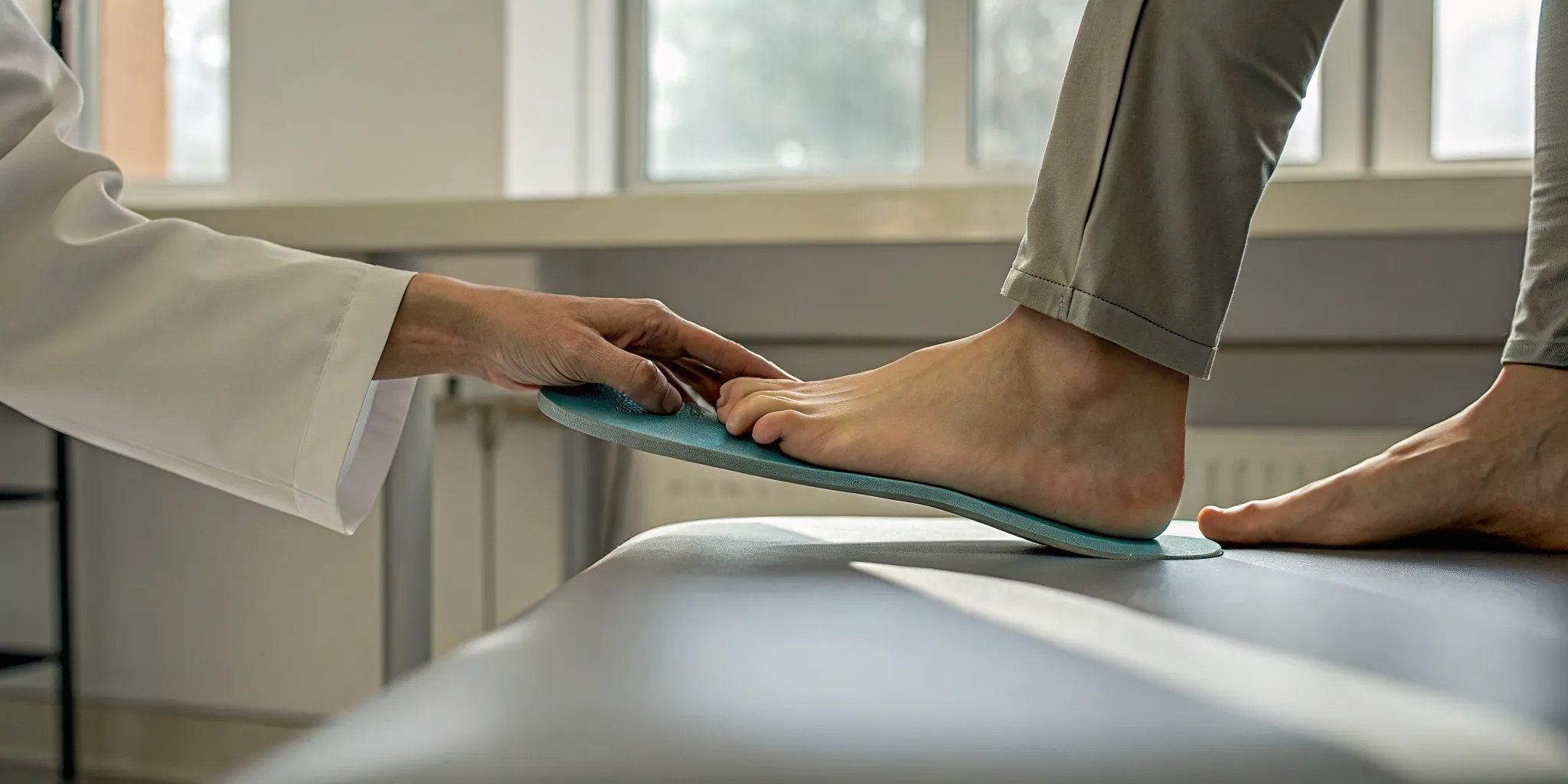
Who to See for Foot Inserts in Bordentown, NJ
Date:
Editor:
The Foot and Ankle Group
Think of your body like a car. If the alignment is off, your tires wear down unevenly, and eventually, the strain can damage other parts of the vehicle. Your feet are your body’s foundation, and when they aren’t properly aligned, the strain travels up to your knees, hips, and back. You wouldn't trust a random part from an auto store to fix your car's alignment; you'd go to a specialist. The same logic applies to your feet. A generic insert can't correct your unique biomechanics. This is why finding the right expert is so crucial. If you’re asking, “Who should I see for foot inserts in Bordentown, NJ?” you’re already on the right track to finding a real, lasting solution.
Key Takeaways
Choose Custom for Real Correction: While store-bought inserts provide temporary cushioning, custom orthotics are medical devices made just for you. A podiatrist uses precise scans of your feet to create a device that corrects your specific alignment and gets to the root of your discomfort.
See a Podiatrist for a True Diagnosis: Don't self-diagnose with a pharmacy insert. A podiatrist is the only expert who can perform a full biomechanical exam to understand how you move, allowing them to create a truly personalized solution for lasting relief, not just a temporary fix.
Think Prevention, Not Just Pain Relief: Custom orthotics are not only for existing injuries; they are a powerful tool for preventing future problems, especially if you are an athlete or on your feet all day. Expect a short adjustment period, which is a positive sign that your body is adapting to healthier support.
What Are Foot Inserts and How Do They Work?
Foot inserts, which you might hear a podiatrist call orthotic devices, are designed to give your feet the support they need to function correctly. Think of them as a tool to help manage pain, correct structural issues, and improve your overall foot mechanics. When you walk or stand, your feet absorb a tremendous amount of pressure. If your foot isn't aligned properly, that pressure can be distributed unevenly, leading to pain in your heels, arches, or even your knees and back.
Foot inserts work by redistributing that pressure and providing support to areas that need it most. They can help guide your foot into a more stable position, which can relieve strain on your muscles and ligaments. Whether you're dealing with a specific condition or just general foot fatigue, the right insert can make a world of difference in your daily comfort and mobility. Our podiatry services include a full evaluation to determine if orthotics are the right solution for your specific needs. By addressing the root cause of your discomfort, these devices do more than just mask the pain; they help your feet work the way they were meant to.
Custom Orthotics vs. Over-the-Counter Inserts
When you start looking at foot inserts, you'll find two main categories: custom orthotics and over-the-counter (OTC) inserts. The difference is significant. OTC inserts are mass-produced for a generic foot shape. They might offer some extra cushioning or basic arch support, but they aren't designed to correct your specific foot issues. Custom orthotics, on the other hand, are made just for you. A podiatrist creates them based on a detailed examination and precise scans of your feet. They are medical devices tailored to address your unique foot structure and biomechanics, providing targeted support exactly where you need it.
Why Custom Orthotics Are Worth It
Choosing custom orthotics is an investment in your long-term foot health. While there can be an initial adjustment period as your body gets used to them, the lasting support they provide is unmatched. Because they are designed specifically for your feet, they can effectively address the underlying cause of your pain, leading to significant improvements in comfort and mobility. If you experience any persistent discomfort, your podiatrist can make adjustments for a perfect fit. For anyone dealing with chronic foot issues, custom orthotics are a worthwhile step toward finding lasting relief and getting back to your daily activities without pain.
What Conditions Can Foot Inserts Help?
Foot inserts are versatile tools for managing foot health. They are not a one-size-fits-all solution; instead, custom orthotics can be designed to address the unique pressures and misalignments causing a wide variety of issues. From common complaints like heel pain to more complex structural problems, the right support can make a world of difference in your daily comfort and long-term mobility. Here are some of the specific conditions we frequently treat with orthotics.
Plantar Fasciitis and Heel Pain
If you've ever felt a sharp, stabbing pain in your heel with your first steps in the morning, you might be familiar with plantar fasciitis. This condition is one of the most common causes of heel pain, and it happens when the thick band of tissue running across the bottom of your foot becomes inflamed. It can make standing or walking feel unbearable. Custom foot inserts are a cornerstone of treatment because they provide targeted arch support and cushioning right where you need it. By distributing pressure away from the heel and supporting the plantar fascia, orthotics can significantly alleviate this pain and help your foot heal properly, letting you get back to your day without that dreaded morning pain.
Flat Feet and High Arches
Foot structure plays a huge role in how your body handles daily movement. For those with flat feet, the foot may lean inward too much (a motion called pronation), which can cause strain on the ankles, knees, and even your back. While not everyone with flat feet has pain, inserts can provide essential stability. On the other end of the spectrum, high arches can create excessive pressure on the ball and heel of the foot, leading to pain and instability. In both cases, custom foot inserts can help by distributing pressure more evenly across the entire foot. This simple correction provides better balance and reduces the strain that can lead to chronic discomfort.
Bunions and Hammertoes
Bunions, those bony bumps that form at the base of the big toe, and hammertoes, which are smaller toes that bend abnormally, can be incredibly painful. These conditions often develop due to improper foot mechanics, which forces the toes into unnatural positions. While inserts won't make a bunion or hammertoe disappear, they can be a powerful tool for managing the pain and preventing the condition from getting worse. Custom orthotics help by realigning the foot to a more natural position, which reduces the pressure on the affected joints. This can provide significant relief and improve your ability to wear shoes comfortably, allowing you to continue your daily activities with less pain.
Achilles Tendinitis and Diabetic Foot Issues
Pain and stiffness along the back of your heel could be a sign of Achilles tendinitis, an overuse injury of the tendon connecting your calf muscle to your heel bone. Foot inserts can help by providing support that reduces strain on this vital tendon. For individuals with diabetes, proactive foot care is essential. Diabetic neuropathy can reduce sensation in the feet, making it hard to notice sores or injuries that can lead to serious infections. Custom orthotics are a key part of diabetic foot care, as they are designed to accommodate foot shape changes, reduce pressure points, and protect your feet from developing dangerous ulcers.
Do You Actually Need Foot Inserts?
Deciding if you need foot inserts can feel like a bit of a puzzle. Sometimes the signs are obvious, like a nagging pain that just won’t quit. Other times, the clues are more subtle. Your body often sends signals when it needs a little extra help, and learning to recognize them is the first step toward feeling better. If you’re wondering whether your feet could use more support, let’s walk through some of the most common indicators. It’s not always about reacting to an injury; sometimes, it’s about proactively caring for your body to prevent problems down the road.
Signs You Might Need More Support
If you’re dealing with persistent foot or ankle pain, numbness, or tingling that lasts for more than a few days, your body is trying to tell you something. These symptoms aren't just an annoyance; they're signals that an underlying issue may need attention. Changes to your skin or nails, like discoloration or sores that won't heal, are also important red flags. Ignoring these signs can lead to bigger problems later on. Think of it as a check engine light for your feet. Instead of waiting for it to get worse, it’s best to have a professional take a look. A podiatrist can help you understand the root cause of your discomfort and determine if custom orthotics are the right solution for you.
How Uneven Shoe Wear Can Be a Clue
Take a look at the soles of your favorite, most-worn pair of shoes. Are they worn down evenly? Or is one side, particularly around the heel or the ball of the foot, significantly more worn than the other? This uneven wear pattern is a classic sign of an imbalance in your gait or foot structure. It shows that pressure isn't being distributed properly as you walk or run. Over time, this imbalance can strain your feet, ankles, knees, and even your back. If your shoes are telling a one-sided story, it’s a strong hint that your feet could benefit from the corrective support that custom inserts provide. A podiatrist can analyze your gait and see exactly where you need that extra support.
When Other Health Conditions Affect Your Feet
Your foot health is directly connected to your overall health. Conditions like diabetes, arthritis, and circulatory issues can have a significant impact on your feet. For individuals with diabetes, for example, proper foot care is essential to prevent serious complications like nerve damage and infections. Because diabetes can reduce sensation, you might not notice a small cut or blister until it becomes a major problem. Custom orthotics can play a vital role in a diabetic foot care plan by offloading pressure from sensitive areas and reducing the risk of sores. Similarly, for those with arthritis, inserts can help cushion joints and improve mobility, making daily activities less painful.
Using Orthotics for Prevention
There’s a common misconception that orthotics are only for people who are already injured or in pain. That couldn't be further from the truth. Custom foot inserts can be powerful preventative measures for anyone who wants to maintain their foot health and stay active. If you’re a runner, orthotics can help correct subtle imbalances that could lead to stress fractures or tendonitis. If you work on your feet all day, they can provide the support needed to prevent chronic pain and fatigue. Think of it as an investment in your future comfort and mobility. By supporting your feet properly now, you can help avoid a wide range of issues and keep doing the things you love for years to come.
Common Myths About Foot Inserts
When it comes to foot pain, it seems like everyone has an opinion. Unfortunately, a lot of common "knowledge" about foot inserts is based on myths that can keep you from finding real relief. Let's clear up a few of the biggest misconceptions so you can make an informed decision about your foot health.
Myth: "Over-the-Counter is Just as Good"
It’s easy to see the appeal of grabbing a pair of inserts off the shelf at your local pharmacy. They’re accessible and affordable, but they are not a one-size-fits-all solution. Over-the-counter (OTC) inserts are mass-produced for an "average" foot, typically providing general cushioning with gel or foam. While they might offer some temporary comfort, they don't address the root cause of your pain, like a specific misalignment or functional issue. Custom orthotics, on the other hand, are prescribed by a podiatrist after a thorough examination. They are crafted specifically for your feet to correct your unique foot structure and provide targeted support where you need it most.
Myth: "Orthotics Are Only for Existing Pain"
Many people think of orthotics as something you only need after an injury or once foot pain becomes unbearable. Waiting for a problem to start is a reactive approach to your health. In reality, custom orthotics can be a powerful preventative tool. If you're an athlete, spend long hours on your feet for work, or have a family history of foot problems like bunions, custom inserts can help maintain proper alignment and reduce stress on your joints. By providing the right support now, you can prevent pain and more serious issues from developing down the road. You can always schedule a consultation to see if preventative care is right for you.
Myth: "Foot Inserts Offer Instant Relief"
We all want a quick fix for pain, but it’s important to understand how orthotics actually work. A soft, cushioned insole might feel good instantly, but that comfort is temporary because it doesn't correct the underlying problem. True custom orthotics are designed to realign your foot and ankle, which can take some getting used to. There is often a short adjustment period as your body adapts to a new, healthier posture. This process is a sign that the orthotics are doing their job. Our physicians will guide you through this break-in period to ensure your orthotics are comfortable and effective for long-term relief.
Who Should You See for Custom Foot Inserts?
When your feet are hurting, it’s tempting to grab the first shoe insert you see at the pharmacy. But if you’re looking for real, lasting relief, the person you see matters just as much as the device you get. For custom foot inserts, also known as orthotics, a podiatrist is your best bet for getting the right diagnosis and a truly personalized solution.
Why a Podiatrist Is the Right Choice
A podiatrist is a doctor who specializes in the foot, ankle, and lower leg. Think of them as the ultimate foot experts. They have years of dedicated training in biomechanics, which is the science of how your body moves. This expertise allows them to look beyond your symptoms and identify the root cause of your pain. When a podiatrist creates a custom orthotic, it’s not just a cushion; it’s a medical device designed to correct your specific foot structure and function. Our team of physicians creates orthotics that provide a precise physical form of support, helping to realign your feet and relieve strain on your joints, which is something a generic insert simply can’t do.
What Makes a Podiatrist Different from Other Providers?
The main difference between seeing a podiatrist and buying an over-the-counter (OTC) insert is the level of personalization. An OTC insert is made for an "average" foot, which means it probably isn’t a perfect match for yours. It might provide temporary comfort, but it won’t correct the underlying issue causing your pain. A podiatrist performs a comprehensive evaluation, including a physical exam and a gait analysis to see how you walk. They use this information to create a prescription orthotic that addresses your unique needs. This is why custom orthotics are so effective for treating painful conditions, while OTC versions often fall short. If you're ready for a personalized approach, you can schedule an appointment for a full evaluation.
What to Look for in a Podiatrist
Choosing the right podiatrist is the most important step in getting effective, long-lasting relief for your foot pain. You want someone who not only understands your symptoms but also has the expertise to create a personalized solution that fits your life. When you start your search, it can feel a bit overwhelming. To make it easier, focus on a few key areas that separate a good podiatrist from a great one. A great podiatrist will have a solid combination of proven experience, a commitment to personalized care, and an office that makes the entire process, from payment to follow-up, straightforward and stress-free. By keeping these factors in mind, you can feel confident that you’re placing your foot health in the right hands.
Board Certification and Experience
First things first, you want a doctor with the right qualifications. Look for a podiatrist who is board-certified, which is a formal recognition of their expertise and skill in foot and ankle care. Beyond credentials, experience is everything. You wouldn't want a generalist operating on your knee, and the same logic applies to your feet. Find a doctor who has treated your specific problem, whether it's a sports injury, a bunion, or diabetic foot complications, many times before. An experienced podiatrist has seen it all and can create a treatment plan that works. You can usually find this information on a practice’s website, where you can review the backgrounds and specializations of the physicians.
A Focus on Custom Orthotics
When you’re seeking custom orthotics, you need a podiatrist who truly specializes in them. Some providers may offer them as an afterthought, but a dedicated specialist sees them as a cornerstone of effective treatment. A podiatrist with this focus understands that a one-size-fits-all approach doesn’t work. They know that custom orthotics are medical devices designed to correct your specific foot dysfunctions, not just cushion your step. They will be committed to creating an insert fitted exactly to your foot’s unique structure. This level of personalization is what provides genuine support and pain relief, making it a critical factor in your choice of provider.
Modern Technology and Methods
The tools a podiatrist uses can tell you a lot about their approach to care. A practice that invests in modern technology shows a commitment to providing the best possible outcomes for its patients. For custom orthotics, this is especially important. Look for a podiatrist who uses up-to-date methods like 3D scanning to capture the precise contours of your feet. This technology allows for a much more accurate fitting than traditional plaster casts, leading to a more effective and comfortable orthotic. A willingness to adopt newer, better methods is a great sign that your podiatrist is dedicated to giving you the highest standard of care.
Insurance and Follow-Up Care Plans
Finally, let’s talk about the practical side of things. Before you even book an appointment, it’s smart to check if the doctor’s office accepts your health insurance plan. A quick call to the office can save you from unexpected costs down the road. You can also find this information on a practice’s patients page. Equally important is understanding their approach to follow-up care. Getting custom orthotics isn’t a one-and-done deal. A great podiatrist will schedule follow-up appointments to ensure your orthotics fit perfectly and are providing the intended relief, making any necessary adjustments along the way.
Your First Orthotics Consultation: What to Expect
If you've decided to explore custom orthotics, your first consultation is a big step. Knowing what happens during this appointment can help you feel prepared and confident. The process is all about gathering the information needed to create inserts that are truly made for you. Our team of physicians takes a detailed, personalized approach to ensure your orthotics provide the right support. Here’s a breakdown of what you can expect during your visit.
Discussing Your Symptoms and Lifestyle
The first part of your appointment is a conversation. Your podiatrist will want to hear all about what you're experiencing. Be ready to talk about where you feel pain, when it started, and what makes it better or worse. We’ll also ask about your daily life. Do you stand all day for work? Are you training for a marathon? What kind of shoes do you typically wear? This isn't just small talk; every detail helps us understand the unique pressures your feet are under. The more information you can share, the better we can tailor a solution to fit your specific needs and get you back to your activities comfortably.
Your Gait and Biomechanical Exam
Next, your podiatrist will perform a physical exam. This includes looking at your foot structure, checking your range of motion, and watching you walk. This is called a gait analysis, and it shows us how your body moves. We look for any imbalances or irregularities in your step that could be contributing to your discomfort. This biomechanical exam is crucial because it reveals the root cause of the problem, rather than just addressing the symptoms. By understanding how your feet, ankles, and legs work together, we can design orthotics that correct your specific movement patterns and provide support exactly where you need it.
Taking Scans and Measurements of Your Feet
This is where the "custom" part really comes to life. To create orthotics that fit you perfectly, we need a precise model of your feet. Forget the squishy foam boxes at the drugstore; we use advanced methods to capture every curve and contour. This might involve taking 3D digital scans of your feet or using plaster casts to create a detailed mold. This step ensures your orthotics are built to your exact specifications, providing support that an off-the-shelf insert simply can't match. This precision is a key part of the comprehensive foot and ankle care we provide.
Fitting and Adjusting Your Custom Orthotics
Once your custom orthotics are ready, you’ll come back for a fitting. Your podiatrist will make sure they fit correctly inside your shoes and feel right on your feet. It’s normal for there to be a short break-in period as your body adjusts to the new support. We’ll give you instructions on how to gradually increase your wear time. Most importantly, communication is key. If you experience any pinching or discomfort after a few days, let us know. We can make small adjustments to ensure a perfect, comfortable fit. Your comfort is our priority, so don't hesitate to contact us with any questions.
How Much Do Custom Orthotics Cost?
It’s one of the first questions on everyone’s mind: what’s the price tag on feeling better? When it comes to custom orthotics, it helps to think of them as an investment in your daily comfort and long-term health, not just a simple purchase. Unlike the one-size-fits-all inserts you can grab off a shelf at the pharmacy, custom orthotics are medical devices prescribed and created just for you. The cost reflects the entire professional process, from a detailed examination by a podiatrist to the use of precise technology and high-quality materials. These elements come together to create a device that addresses your specific foot mechanics and underlying issues. While the initial price is higher than over-the-counter options, the goal is lasting relief and genuine correction. This approach can prevent more serious problems from developing, potentially saving you money and discomfort down the road. Let's break down what you can expect in terms of cost and how insurance might play a role in making them more accessible.
Comparing the Cost: Custom vs. Over-the-Counter
When you start looking at prices, you'll see a clear difference. Custom orthotics from a podiatrist typically range from $400 to $800. This price covers the entire professional process: a biomechanical exam, precise digital scans of your feet, and the creation of a device made from durable materials tailored to your exact needs. These orthotic services are designed to correct the root cause of your discomfort. In contrast, over-the-counter inserts are much cheaper because they are mass-produced for a generic foot shape. While they might offer some temporary cushioning with gel or foam, they can’t correct the specific functional problems causing your pain. Think of it as the difference between buying a suit off the rack and having one tailored just for you; the custom option provides a perfect fit that truly addresses the issue.
Will Insurance Cover Custom Orthotics?
This is a great question, and the answer often depends on your specific insurance plan. Many private health insurance plans with "extra coverage" do help pay for prescribed orthotics. It's worth checking your policy details, as some plans may reimburse a significant portion of the cost. For qualified veterans, the Department of Veterans Affairs (DVA) might even cover the full price if the orthotics are prescribed for a service-related condition. The best first step is to call your insurance provider to confirm your benefits. Our team is also here to help you understand the billing process and can provide the necessary documentation for your claim. We want to make the process as smooth as possible for our patients.
How to Find the Right Podiatrist in Bordentown
Finding the right podiatrist is the most important step in getting relief from foot pain. You want a doctor who listens, has the right expertise, and makes you feel comfortable. In a place like Bordentown, you have options, so it’s worth taking a little time to find the perfect fit for your needs. Think of it like finding any trusted professional; a little research upfront can make all the difference in your long-term foot health. Here’s how to approach your search and find a podiatrist you can count on.
Read Patient Reviews and Check Credentials
Start your search by seeing what other patients have to say. Online reviews can give you a real-world glimpse into a doctor's practice, from their bedside manner to the office wait times. But don't stop there. It's just as important to check a doctor's credentials. Look for board certification, which shows they have met high standards in their specialty. A reputable practice will be transparent about their team's qualifications. You should be able to easily find information about their education, training, and areas of expertise. Our team of physicians is proud to share their backgrounds so you can feel confident in your care.
Seek Out Comprehensive Foot and Ankle Care
Foot and ankle issues can be surprisingly complex. A problem that seems simple, like an ingrown toenail, might be related to a larger structural issue. That's why it’s smart to choose a practice that offers comprehensive care. When a clinic can handle everything from routine treatments and custom orthotics to more advanced surgical procedures, you know you’re in good hands. This ensures you receive consistent care from a team that understands your history, without the hassle of being referred elsewhere if your needs change. A practice that provides a full range of services is equipped to support you through every step of your treatment journey.
Why Choose The Foot & Ankle Group for Your Orthotics
If you need custom orthotics, you want a specialist who goes beyond a basic foam impression. At The Foot & Ankle Group, we use modern technology to get a precise understanding of your foot mechanics. We conduct a thorough biomechanical exam and gait analysis to see how you walk and stand. This detailed approach allows us to design orthotics that are truly custom-made for your unique foot structure and specific condition. This level of personalization is what makes custom orthotics so effective for treating issues from heel pain to flat feet. When you’re ready for a personalized solution, you can contact us to schedule a consultation.
Related Articles
Frequently Asked Questions
What's the real difference between custom orthotics and the inserts I see at the pharmacy? Think of it this way: over-the-counter inserts are like buying reading glasses off a rack, while custom orthotics are like getting a prescription from an eye doctor. The inserts from a store are mass-produced and offer general cushioning, which might feel nice for a little while but won't fix an underlying problem. Custom orthotics are medical devices prescribed by a podiatrist after a full exam. They are built from precise scans of your feet to correct your specific alignment and movement patterns, providing a true, long-term solution.
How long will it take for my custom orthotics to feel comfortable? There is usually a short adjustment period, which is completely normal. Your body has gotten used to moving a certain way, and the orthotics are guiding it into a healthier, more efficient posture. This process can take a week or two. Your podiatrist will give you a schedule for gradually increasing your wear time to make the transition smooth. If you feel any sharp pain or persistent discomfort, a simple adjustment in our office can usually fix it.
Do I have to wear my orthotics in all of my shoes? For the best results, you should wear your orthotics as often as you can, especially in the shoes you wear every day. Most custom orthotics are designed to be easily transferred between similar types of shoes, like your daily sneakers or work shoes. However, specialty footwear like dress shoes, cleats, or running shoes might require a different, specially designed pair of orthotics to fit properly and provide the right kind of support for that activity.
How long do custom orthotics typically last? Custom orthotics are a durable investment in your health. Unlike foam or gel inserts that can wear out in a few months, custom orthotics are made from high-quality, resilient materials designed to last for several years. The exact lifespan depends on your activity level, body weight, and the materials used. Your podiatrist will check their condition during your regular appointments and let you know when it might be time for a refurbishment or a new pair.
Will my insurance help pay for custom orthotics? Many health insurance plans do provide coverage for custom orthotics when they are prescribed by a podiatrist to treat a medical condition. However, every plan is different. The best way to know for sure is to call your insurance provider directly and ask about your specific benefits for "custom orthotic devices." Our office staff is also very experienced with this process and can help provide the necessary paperwork to submit your claim.