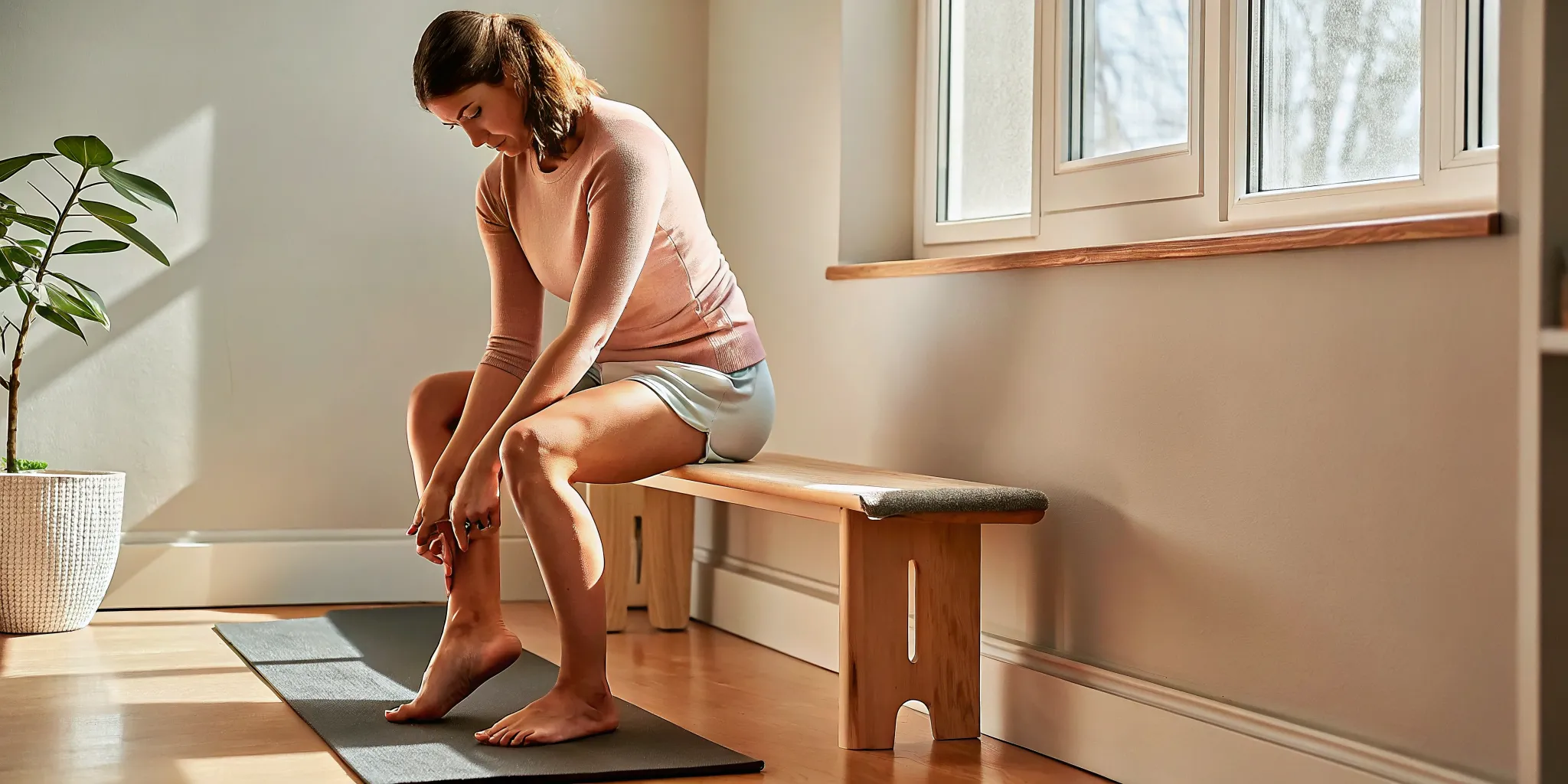
Foot Cramps: A Guide to Causes, Relief & Prevention
Date:
Editor:
The Foot & Ankle Group
You might be surprised to learn that the cause of your painful foot cramps could be the shoes you wore to work, the water you forgot to drink this afternoon, or even how long you sat at your desk. Our daily routines have a huge impact on our muscle health, and often, the triggers for these sudden spasms are hiding in plain sight. The problem can feel random and unpredictable, but it rarely is. In this article, we’ll break down these everyday triggers, explaining how simple habits can lead to muscle fatigue, dehydration, and mineral imbalances that cause your feet to cramp up unexpectedly.
Key Takeaways
Your daily habits are key: Simple lifestyle adjustments, such as staying hydrated, eating a mineral-rich diet, and wearing supportive shoes, are your first line of defense against most foot cramps.
Stretch for immediate and future relief: For a cramp in the moment, gently pull your toes toward your shin to release the muscle; to prevent future cramps, make daily foot and calf stretches a regular habit.
Don't ignore persistent cramps: While most cramps are harmless, you should see a specialist if they are frequent, severe, or accompanied by other symptoms like numbness or weakness, as this could signal an underlying issue.
What Is a Foot Cramp, Really?
We’ve all been there. You’re drifting off to sleep, relaxing on the couch, or in the middle of a walk when suddenly, a sharp, seizing pain shoots through your foot. That intense, involuntary muscle spasm is a foot cramp, and it can stop you in your tracks. While they are usually temporary and harmless, foot cramps can be incredibly painful and disruptive. Understanding what’s happening in your body and why your feet are common targets for cramps is the first step toward finding lasting relief.
What happens inside your muscle during a cramp
A foot cramp is your muscle’s version of a false alarm. It’s a sudden, forceful, and involuntary contraction of one or more muscles in your foot. You aren't telling the muscle to tighten, but it does anyway, and it can’t immediately relax. This is why the area might feel hard or look distorted under the skin. The pain comes from the muscle contracting so intensely. Think of it like flexing your bicep as hard as you can, but you didn't choose to do it and you can't easily make it stop. This unexpected tightening can last anywhere from a few seconds to several minutes, leaving behind a lingering soreness even after the cramp subsides.
Why your feet are so prone to cramping
Your feet are complex structures that carry you through your entire day, so it’s no surprise they’re susceptible to cramping. Often, the cause is simple, like not drinking enough water (dehydration) or having low levels of important minerals like potassium, magnesium, and calcium. Muscle fatigue from a long day of standing or a new workout routine is another major trigger. Other times, the culprit might be poor circulation, which prevents your muscles from getting enough oxygen-rich blood. Even your choice of footwear can play a role. While most cramps are benign, persistent cramping can sometimes point to an underlying issue that our team of physicians can help diagnose.
Common Causes of Foot Cramps
Foot cramps can feel like they come out of nowhere, but there’s almost always a reason behind them. That sudden, tight, and often painful seizing of your foot muscles can usually be traced back to a handful of common culprits. Understanding what causes them is the first step toward finding relief and preventing them from happening again.
Dehydration and electrolyte imbalance
Think of water and electrolytes as the essential maintenance crew for your muscles. When you don't drink enough water, or you lose essential minerals (like potassium, magnesium, and calcium) through sweat, your muscles can’t function properly. This imbalance disrupts the nerve signals that control muscle contraction and relaxation, making it much easier for a cramp to strike. Staying hydrated and maintaining a balanced diet is one of the simplest and most effective ways to keep your foot muscles happy and cramp-free.
Overworked and tired muscles
Have you ever jumped into a new workout routine or spent a long day on your feet in less-than-ideal shoes? Your muscles might be trying to tell you something. Pushing your feet and legs harder than they’re used to can lead to muscle fatigue. When muscles are overworked and exhausted, they are much more likely to cramp up, either during the activity or hours later. It’s your body’s way of signaling that it needs a break and time to recover. Easing into new activities and giving your muscles adequate rest is key.
Circulation issues
Your muscles rely on a steady supply of oxygen-rich blood to function. If blood flow to your feet is inadequate, your muscles can become starved of the oxygen and nutrients they need, leading to spasms and cramps. This is often described as feeling like your foot has "fallen asleep," but it can also manifest as a sharp cramp. Poor circulation can be caused by anything from sitting in one position for too long to more significant underlying health issues. If you frequently experience cramps alongside cold feet or numbness, it might be a sign to look into your circulatory health.
Nerve irritation or underlying health conditions
Sometimes, foot cramps are a symptom of a bigger issue. Conditions like diabetes, thyroid disorders, and nerve problems can all contribute to frequent muscle cramping. Irritation or compression of the nerves in your back or legs can also send faulty signals to your foot muscles, causing them to contract involuntarily. While a random foot cramp is usually nothing to worry about, chronic or severe cramps warrant a closer look. If your cramps are persistent and affecting your quality of life, it’s a good idea to schedule an appointment with a specialist to rule out any underlying conditions.
Medication side effects
The solution to one health problem can sometimes create another. Certain medications, especially diuretics (water pills) used to treat high blood pressure, can flush essential minerals and fluids from your body. This can easily disrupt your electrolyte balance and lead to muscle cramps as a side effect. Other drugs, including some statins used for cholesterol, can also be culprits. If you started experiencing more frequent foot cramps after beginning a new medication, bring it up with your doctor. They may be able to suggest an alternative or help you manage the side effect without stopping your important treatment.
Everyday Triggers for Foot Cramps
Sometimes, the reason for a sudden, painful foot cramp isn’t a complex medical issue but something in your daily routine. Our habits, from the shoes we wear to the foods we eat, play a huge role in our muscle health. Understanding these common triggers is the first step toward finding relief and preventing those jolting cramps from happening in the first place. By making a few simple adjustments to your day-to-day life, you can often significantly reduce how often your feet cramp up. Let's look at some of the most frequent culprits you might not have considered.
Unsupportive or ill-fitting shoes
The shoes on your feet can make or break your day, and they can also be a direct cause of foot cramps. Shoes that are too tight, too narrow, or have a high heel put your foot muscles in a strained, unnatural position. This constant tension can lead to fatigue and sudden, painful spasms. Likewise, footwear that lacks proper arch support forces the smaller muscles in your feet to work overtime to keep you stable, making them much more likely to cramp. If your shoes are the problem, the solution can be as simple as choosing better footwear. For persistent issues, custom orthotics can provide the specific support your feet need to function without strain.
Standing or sitting for too long
Whether you’re on your feet all day for work or sitting at a desk for hours, staying in one position for too long can lead to muscle cramps. When your muscles aren't moving, blood flow can decrease, causing them to become stiff and tight. This lack of movement makes your muscles more prone to seizing up unexpectedly. If your job requires long periods of standing or sitting, try to incorporate small movement breaks into your day. A short walk every hour, a few simple foot stretches under your desk, or even just shifting your weight can keep your muscles active and improve circulation. These small actions can make a big difference in preventing muscle tightness.
Gaps in your diet
Your muscles rely on a delicate balance of minerals, known as electrolytes, to contract and relax properly. Key players include potassium, magnesium, and calcium. If your diet is low in these essential nutrients, or if you lose them through heavy sweating, it can disrupt this balance and trigger cramps. Dehydration makes this problem even worse, as your muscles need water to function correctly. Making sure you eat a well-rounded diet with plenty of fruits, vegetables, and dairy can help maintain healthy electrolyte levels. Foods like bananas, leafy greens, nuts, and yogurt are all great sources of the minerals your muscles crave.
Muscle changes related to age
As we get older, it's natural to experience changes in our muscle mass and tone. We tend to lose muscle and may become less active, which can make our muscles weaker and more susceptible to fatigue and cramping. This process, known as sarcopenia, means that the muscles in your feet might get tired more quickly from everyday activities that didn't used to be a problem. While this is a normal part of aging, it doesn’t mean you have to live with frequent cramps. Staying active with gentle, low-impact exercises like walking or swimming can help maintain muscle strength. If you're concerned about age-related foot pain, our physicians can help you find strategies to keep your feet healthy and strong.
How to Stop a Foot Cramp Fast
A sudden foot cramp can stop you in your tracks with a sharp, involuntary muscle contraction. The good news is that you don't have to just wait for it to pass. There are several simple things you can do the moment a cramp strikes to find fast relief. These techniques work by helping the seized muscle relax and encouraging blood flow to the area. While these tips are great for immediate relief, remember that frequent cramps may signal a deeper issue. If they become a regular problem, it’s wise to schedule an appointment with a specialist.
Gently stretch and flex your foot
When a muscle cramps, your first move should be to gently stretch it. For a foot cramp, sit down and extend your leg. Carefully grab your toes and pull them up toward your shin, holding the stretch for 15 to 30 seconds. You should feel a release in the arch of your foot or your calf. Don't force it; the goal is a gentle, steady pull to encourage the muscle fibers to lengthen and relax. You can repeat this a few times until the worst of the cramp subsides. This simple movement is often the quickest way to stop the spasm.
Massage the tight muscle
Your own hands can be a powerful tool against a foot cramp. Once you're in a comfortable position, use your thumbs to firmly rub the cramped area. Apply steady pressure and move in small circles to work out the knot. This self-massage does two important things: it manually loosens the tight muscle fibers and helps restore blood flow to the area, which can be restricted during a cramp. Don't be afraid to apply firm pressure, but listen to your body and ease up if it causes sharp pain. A few minutes of focused massage can make a huge difference.
Apply a hot or cold compress
Temperature therapy can provide immediate comfort and relief. A warm cloth or a foot soak in warm water is excellent for relaxing the tense muscle. The heat helps increase circulation, bringing oxygen to the muscle and easing the tightness. On the other hand, if the cramp is severe and leaves your foot feeling sore or inflamed, an ice pack wrapped in a towel can help. The cold will numb the area, reducing pain and any potential swelling. Choose the temperature that feels most soothing to you in the moment.
Carefully walk it out
It might sound like the last thing you want to do, but putting some weight on the affected foot can help. After the initial, intense pain has eased a bit from stretching, try to stand up and walk around slowly. The light pressure of standing and the gentle motion of walking can signal the muscle to relax and stop contracting. Just be sure to move carefully. This technique helps promote circulation and can effectively "reset" the muscle, ending the spasm. If walking is too painful, even just standing on the foot for a minute can help.
What About Cramps That Wake You Up?
There’s nothing quite as jarring as being jolted from a deep sleep by a sudden, sharp pain in your foot. Nighttime foot cramps are incredibly common, and they can turn a restful night into a painful, frustrating experience. While they often feel random, these cramps usually have specific triggers that become more pronounced when your body is at rest. Understanding why they happen is the first step toward preventing them from disrupting your sleep again.
Why cramps often strike at night
It can feel like your muscles are staging a rebellion right when you need to rest. These sudden, tight contractions often happen at night for a few key reasons. Your body might be catching up on a fluid deficit from the day, leading to dehydration. Similarly, an imbalance of essential minerals like potassium or magnesium can make muscles more likely to spasm. If you spent the day on your feet or had a tough workout, muscle fatigue can set in hours later. Even your sleeping position can contribute by restricting blood flow. Our expert physicians can help you pinpoint the specific cause behind your nighttime pain.
How to manage sleep-disrupting cramps
You can take simple, proactive steps to help your muscles relax through the night. Making gentle stretching a part of your bedtime routine is a great start. Focus on your calves, ankles, and toes to release any lingering tension from the day. Staying hydrated is also key, so be sure to drink plenty of water. If a cramp does wake you up, try gently flexing your foot or massaging the tight muscle until it releases. If these cramps continue to ruin your sleep despite your best efforts, it may be time to schedule an appointment to explore other treatment options.
How to Prevent Foot Cramps Long-Term
While knowing how to stop a cramp in its tracks is helpful, the real goal is to keep them from happening in the first place. Preventing foot cramps involves making small, consistent changes to your daily habits. Think of it as building a foundation for healthier, happier feet. By focusing on hydration, nutrition, proper movement, and the right gear, you can significantly reduce how often cramps interrupt your day or night. These long-term strategies address the root causes of cramping, giving you lasting relief and control over your foot health.
Stay hydrated all day long
It sounds simple, but staying hydrated is one of the most effective ways to prevent muscle cramps. When your body doesn't have enough water, your muscles can't function properly, making them much more likely to seize up. The key is to drink water consistently throughout the day, not just when you start to feel thirsty. By the time thirst hits, you're already on your way to being dehydrated. Try carrying a reusable water bottle with you as a visual reminder, or set alarms on your phone if you tend to forget. Consistent hydration is a simple habit that makes a huge difference.
Eat a diet rich in key minerals
What you eat plays a big role in muscle health. Foot cramps can often be a sign that your body is low on essential minerals like potassium, magnesium, and calcium. These electrolytes help your muscles contract and relax smoothly. You can get more of these minerals by incorporating certain foods into your diet. Think bananas and avocados for potassium, leafy greens like spinach and nuts for magnesium, and dairy products or fortified alternatives for calcium. Eating a balanced diet full of whole foods is a great strategy for keeping your muscles well-nourished and less prone to cramping.
Make stretching a daily habit
Tight, stiff muscles are prime candidates for cramping. Making gentle stretching a part of your daily routine can keep your foot and leg muscles flexible and resilient. You don't need a long, complicated session; just a few minutes a day can help. Focus on stretches for your calves, ankles, and the arches of your feet. Try flexing and pointing your toes or doing gentle ankle rolls while you're watching TV. If you're unsure which stretches are best for you, our team of physicians can recommend a routine tailored to your specific needs to help prevent cramps.
Choose supportive, well-fitting shoes
Your shoes can either be your feet's best friend or their worst enemy. Footwear that is too tight, too loose, or lacks proper support can strain your foot muscles, leading to fatigue and cramps. It’s important to wear shoes that are appropriate for your activity, whether you're walking, running, or standing for long periods at work. Make sure your shoes fit well and provide good arch support. If you consistently experience foot pain or cramping, custom orthotics might be a solution to provide the specific support your feet need to function without strain.
Ease into new physical activities
It’s great to be enthusiastic about a new workout or activity, but jumping in too fast can overwork your muscles and lead to cramps. When your muscles are pushed beyond their current capacity, they become fatigued and more susceptible to spasms. If you’re starting a new exercise program, ease into it gradually. Increase the intensity and duration of your workouts over several weeks. This gives your muscles time to adapt and build strength, reducing your risk of injury and cramping. Remember to warm up before you start and cool down with some light stretching afterward.
The Broader Impact of Foot Cramps
Foot cramps might seem like a minor, temporary problem, but their effects can ripple out into your daily life. They’re more than just a fleeting pain; they can disrupt your routine, interrupt your sleep, and even signal that something else is going on with your health. When cramps become a regular occurrence, it’s worth paying attention to the bigger picture and understanding how they truly affect your well-being.
Our team of expert physicians is here to help you get to the bottom of your foot pain and find lasting relief.
How they affect your mobility and daily life
A sudden foot cramp can stop you in your tracks. Whether it strikes your arch, toes, or the sole of your foot, the intense, involuntary muscle contraction is often sharp enough to make you pause whatever you’re doing. While the cramp itself may only last for a few seconds or minutes, a lingering soreness can stick around, making it uncomfortable to walk or stand.
When cramps happen frequently, they can start to limit your activities. You might hesitate to go for a walk, join an exercise class, or even stand for long periods at work, fearing a painful spasm. These cramps can be just as painful as leg cramps and shouldn't be ignored. If they’re happening often, it could be a sign of an underlying issue with your circulation, nerves, or foot structure that needs professional attention.
The consequences of disrupted sleep
Being jolted awake by a sharp, stabbing pain in your foot is an awful experience. These nighttime foot cramps are surprisingly common, but that doesn’t make them any less disruptive. The immediate pain can make it hard to fall back asleep, and you might spend the rest of the night feeling anxious about it happening again.
One or two nights of bad sleep is one thing, but when foot cramps consistently interrupt your rest, the consequences add up. Chronic sleep deprivation can leave you feeling fatigued, irritable, and unfocused during the day. It affects your mood, your productivity, and your overall health. If foot cramps are regularly stealing your sleep, it’s a clear sign that you should schedule an appointment to find the cause.
When to See a Podiatrist for Foot Cramps
Most foot cramps are a temporary nuisance you can manage at home. But what if they keep coming back or feel like more than just a simple muscle spasm? Sometimes, your feet are trying to tell you something important. Knowing when to listen and seek professional advice is key to staying on your feet and feeling your best. If your foot cramps are becoming a regular part of your life, it might be time to see a specialist.
Warning signs that point to a larger issue
It’s one thing to get a random foot cramp after a long day, but it’s another when they become a frequent, unwelcome guest. If you’re experiencing cramps often and aren’t sure why, it’s time to pay closer attention. Pay special attention if the cramps come with other symptoms. Things like muscle weakness in your foot or leg, or sensations of numbness or tingling, are definite red flags. These signs can point to a nerve problem or another health issue that needs a professional evaluation. Don't dismiss persistent symptoms; getting a clear diagnosis is the first step toward feeling better. Our team offers a range of services to get to the bottom of your foot pain.
Underlying conditions that cause chronic cramps
If your foot cramps are chronic, they might be a signal from your body about a more significant health concern. Several underlying conditions can cause your muscles to cramp repeatedly. Poor blood flow, for example, means your muscles aren't getting the oxygen they need. Other potential culprits include nerve issues like neuropathy, metabolic problems such as diabetes, or even thyroid disorders. It’s also worth considering your medications, as some can have muscle cramping as a side effect. Our expert physicians can help you connect the dots between your symptoms and any potential underlying conditions, ensuring you get the comprehensive care you need.
How a specialist can help you find relief
You don't have to live with chronic foot cramps. When you see a podiatrist, you’re taking a proactive step toward finding a real solution. A specialist can uncover hidden problems related to your nerves, circulation, or even the physical structure of your foot. Your visit will start with a thorough examination. If needed, we might use specialized imaging to get a clearer picture of what’s going on. From there, we can create a personalized treatment plan. This could involve physical therapy to strengthen muscles, custom orthotics to provide support, or other targeted treatments. The goal is to address the root cause, not just the symptom, so you can find lasting relief. Ready to take the next step? You can schedule your appointment with us today.
Related Articles
Frequently Asked Questions
Should I be worried about a simple foot cramp? A single, random cramp is usually just a sign of something simple like dehydration or muscle fatigue and isn't a cause for alarm. However, if your cramps are happening frequently, are intensely painful, or come with other symptoms like numbness or weakness, it's a good idea to pay attention. Chronic cramps can sometimes point to an underlying issue that a specialist can help identify.
My foot is cramping right now! What's the quickest thing I can do? The fastest way to get relief is to gently counteract the muscle spasm. Sit down and carefully pull your toes toward your shin to stretch the arch of your foot. You can also try massaging the tight, knotted area with your thumbs to help it relax. Applying a warm compress or even standing up and carefully walking around can also encourage the muscle to release.
How can I stop getting cramps that wake me up at night? Nighttime cramps are often linked to things that happened during your day, like not drinking enough water or overworking your muscles. To prevent them, focus on staying hydrated all day long, not just in the evening. Also, try incorporating a few minutes of gentle calf and foot stretches into your bedtime routine to release any built-up tension before you go to sleep.
Could my daily habits be causing my foot cramps? Absolutely. Things you do every day have a huge impact on your muscle health. Wearing unsupportive shoes, standing or sitting in one position for too long, or having a diet that's low in minerals like potassium and magnesium are all common triggers. Making small adjustments, like choosing better footwear or eating more leafy greens and bananas, can often make a significant difference.
I've tried stretching and drinking more water, but the cramps keep coming back. What's next? If you've already tried the common home remedies without success, it's time to get a professional opinion. Persistent cramps that don't respond to simple lifestyle changes may be a sign of an underlying issue with your circulation, nerves, or foot structure. A podiatrist can perform a thorough evaluation to find the root cause and create a specific treatment plan to give you lasting relief.