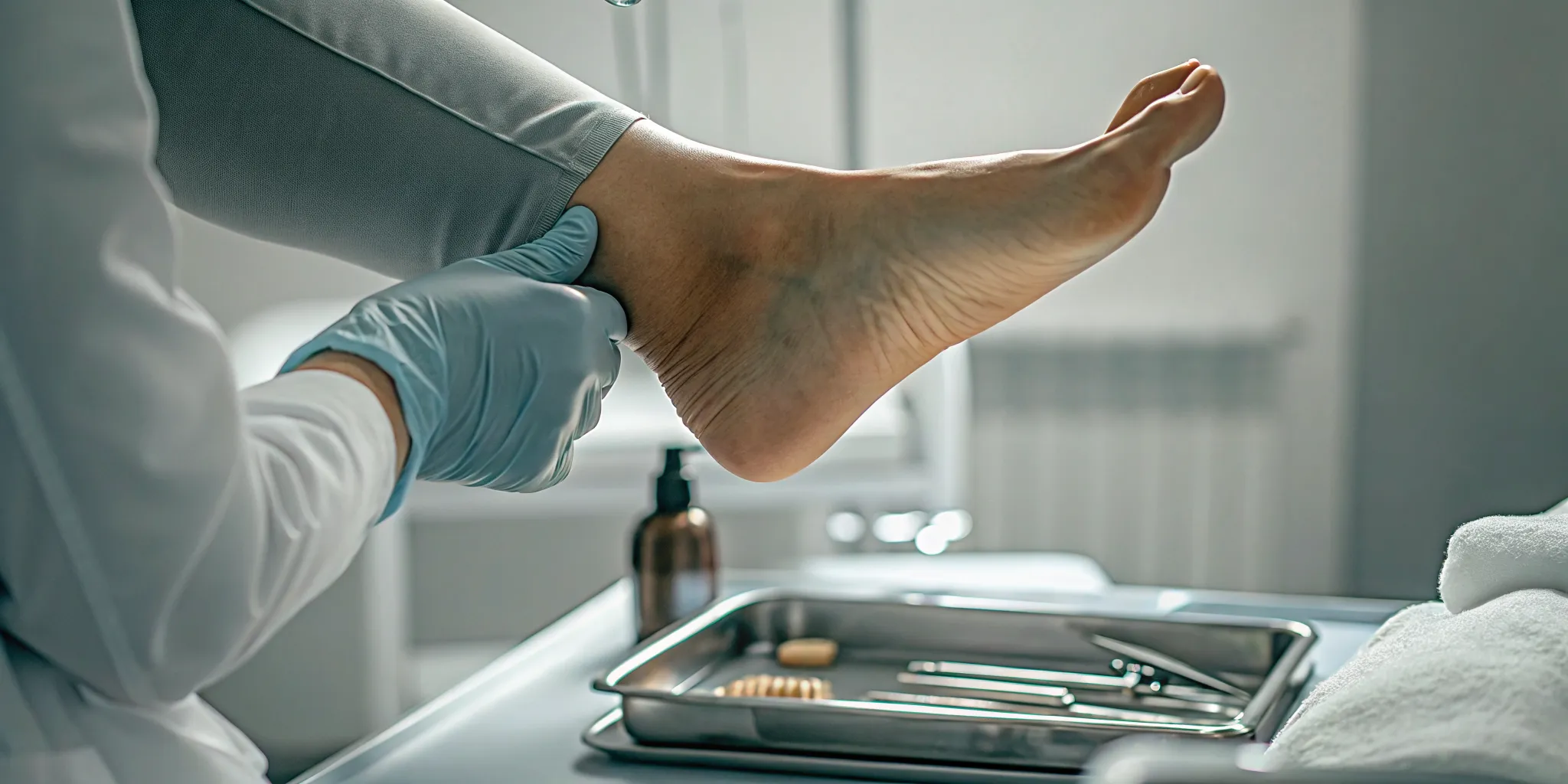
A Podiatrist's Guide to Foot Corn Treatment
Date:
Editor:
Your body has a clever way of protecting itself from friction: it builds up tough layers of skin. But sometimes, this defense mechanism goes too far, creating a small, dense, and often painful spot we call a corn. That sharp pain you feel is the corn’s hard core pressing on a nerve below. While it’s a natural response, it’s also a clear signal that something isn’t right, usually your footwear. Understanding this cause-and-effect relationship is the key to effective foot corn treatment. In this guide, we’ll cover how to safely soften and remove the corn and, more importantly, how to address the underlying pressure to find lasting relief.
Key Takeaways
Understand Why Corns Form: A corn is your body's response to focused pressure and friction, which is why ill-fitting shoes are the most common cause. Identifying the source of this pressure is the key to finding a real solution instead of just temporary relief.
Choose Safe Treatment Options: For mild corns, gentle home care like soaking and filing can be effective. However, it's wise to skip medicated pads with salicylic acid, which can harm healthy skin, and to never cut a corn yourself. If you have diabetes or poor circulation, always see a podiatrist for treatment.
Make Prevention a Priority: To keep corns from coming back, focus on the cause. Wear comfortable shoes that give your toes space, moisturize your feet daily to keep skin resilient, and talk to a podiatrist about custom orthotics to correct underlying pressure points for good.
What Are Foot Corns?
If you’ve ever felt a sharp, nagging pain from a small, hard spot on your foot, you might be dealing with a corn. Simply put, a corn is a small, concentrated area of hardened skin that your body creates to protect itself from friction or pressure. Think of it as a tiny, focused shield. Unlike calluses, which are typically wider, flatter patches of thick skin and are often painless, corns have a hard, dense core that can press on underlying nerves, causing significant discomfort or sharp pain when you walk.
These pesky spots usually show up on the tops or sides of your toes, between your toes, or even on the sole of your foot. They form as a direct response to repeated rubbing, which is why they’re so common for people who spend a lot of time on their feet. While they are your body’s natural defense mechanism, they can quickly become a source of pain that interferes with your daily activities. Understanding what they are is the first step to finding relief, and our team provides a range of services to address these and other foot-related issues.
Hard, Soft, and Seed Corns: What's the Difference?
Not all corns are created equal. Knowing which type you have can help you understand why it formed.
Hard Corns: These are the most common type. They are small, dense patches of dead skin with a hard core, usually found on the top of the toes or on the outer side of the small toe, where your shoe might rub against bone.
Soft Corns: These have a softer, rubbery texture and appear whitish or gray. They typically form between the toes, where the skin is kept moist from sweat. They are caused by the bones of adjacent toes rubbing against each other.
Seed Corns: These are tiny, discrete corns that can appear on the bottom of your foot, either alone or in clusters. They are often associated with dry skin and can sometimes be painless.
What Causes Foot Corns?
The primary cause of foot corns is simple: excessive pressure or friction on your skin. Your body responds to this repeated stress by building up layers of skin to protect the sensitive area underneath. The most common culprit is your footwear. Shoes that don’t fit properly, such as high heels that crowd your toes or shoes that are too loose and allow your foot to slide, are major contributors.
Other common causes include not wearing socks with your shoes, which increases friction, or foot deformities like bunions or hammertoes that alter the alignment of your foot and create new pressure points. If your daily routine involves activities that put a lot of stress on your feet, you might also be more susceptible. If this sounds familiar, it may be time to schedule an appointment to get to the root of the problem.
How to Know If You Have a Foot Corn
Figuring out what’s causing your foot pain is the first step toward finding relief. While that little painful spot on your toe might seem like a simple corn, it's easy to mistake them for other common foot problems like calluses or warts. Knowing the specific signs and symptoms will help you understand what you’re dealing with and how to treat it properly. If you're ever unsure, a quick visit to one of our locations can give you a clear diagnosis and peace of mind.
Symptoms to Look For
So, what does a corn actually look and feel like? Corns are typically small, round, raised bumps of hard skin, often with a distinct, hard center. You might notice the skin around the corn is red or irritated. The most telling symptom, however, is the discomfort. Corns can be tender to the touch and often cause a sharp, localized pain when pressure is applied, like when you’re walking or your shoe rubs against it. This pain happens because the hardened skin presses on the nerves underneath.
Is It a Corn, Callus, or Wart?
It’s easy to get these three mixed up, but a few key differences can help you tell them apart. Calluses are also areas of thick skin, but they are usually larger and wider than corns and rarely painful. Think of them as your body's natural padding. Warts, on the other hand, can be more tricky. A simple test is to apply pressure. A corn hurts when you press directly down on it, while a plantar wart is more likely to hurt if you squeeze it from the sides. Warts may also have tiny black dots in the center, which are actually small clotted blood vessels.
How to Treat Foot Corns at Home: A Step-by-Step Guide
If you’ve found a pesky corn on your foot, don’t worry. For many simple cases, you can find relief with a little at-home care. The goal is to soften the hard skin and reduce the pressure that caused it in the first place. Follow these four steps to safely treat your foot corn. Just remember, if your corn is very painful, looks infected, or you have an underlying condition like diabetes, it’s always best to skip the home remedies and schedule an appointment with us. Your foot health is our priority, and we can offer professional treatment to prevent complications. These home care methods are designed for mild corns and can be a great first line of defense when used correctly and cautiously.
Step 1: Start with a Warm Soak
First, treat your feet to a relaxing soak. Fill a basin with warm, soapy water and let your affected foot rest for about 10 minutes. If you have Epsom salts on hand, feel free to add some to the water. This isn't just for relaxation; the warm water is essential for softening the thick, hardened layer of skin that makes up the corn. This simple step hydrates the area, making the corn much easier and safer to manage in the next step. Think of it as prepping the area for a gentle treatment.
Step 2: Gently File the Area
After your foot is clean, dry, and the skin has softened, it’s time to gently file the corn. Use a pumice stone or a fine emery board for this step. The key here is to be gentle. Use light, circular motions to carefully file down the tough skin. Avoid using any sharp tools, razors, or metal files, as these can easily cause injury and lead to infection. After a dozen or so passes, check your progress. If you feel any pain or see pink skin, that’s your cue to stop. For more information on safe at-home care, the Mayo Clinic offers excellent diagnosis and treatment guidelines.
Step 3: Moisturize Daily
Moisturizing is more than just a cosmetic step; it’s an active part of your treatment. After filing, apply a thick moisturizing cream to the corn and the surrounding skin. For the best results, look for lotions that contain ingredients like urea or ammonium lactate. These ingredients are particularly effective because they help break down the hard proteins that form the corn. Making this a daily habit, especially after you shower, will keep the skin soft and pliable, helping the corn heal and preventing it from getting worse. Consistent moisturizing is a key part of managing corns and calluses.
Step 4: Protect the Corn with Padding
Finally, you need to protect the corn from the pressure and friction that caused it. You can buy moleskin or non-medicated, donut-shaped pads at most pharmacies. If you’re using moleskin, cut a piece and then cut a small hole in the center that’s slightly larger than the corn itself. Place the pad so the corn sits inside the hole. This cushions the area around the corn, relieving direct pressure. It’s important to use non-medicated pads, as the acid in medicated versions can sometimes damage healthy skin. While padding helps, more permanent pressure relief often comes from professional services like custom orthotics.
Do Over-the-Counter Corn Removers Work?
When you’re dealing with a painful foot corn, it’s natural to want a quick fix. The pharmacy aisle is full of over-the-counter (OTC) products that promise fast relief, from medicated pads to liquid removers. While some of these can be helpful for certain people, they aren’t a universal solution and come with some serious risks if used incorrectly. The key is to understand what’s in these products and when it’s safer to skip the DIY route and see a professional. Before you try to treat a corn at home, let’s walk through what you need to know about these common remedies.
The Truth About Salicylic Acid
Most medicated corn removers use salicylic acid as their active ingredient. This acid works by breaking down the thick, hardened layers of skin that form a corn. While this sounds effective, it’s a chemical treatment that requires careful handling. The acid can’t tell the difference between the dead skin of a corn and the healthy skin surrounding it. If it spreads, it can cause irritation, chemical burns, and pain. If you decide to use a product with salicylic acid, always apply a protective barrier like petroleum jelly to the healthy skin around the corn first. This simple step can help prevent unnecessary damage.
A Word on Medicated Pads
Medicated corn pads seem like a simple, mess-free option, but they carry the same risks as liquid removers. The salicylic acid is embedded in the pad’s cushion, and it’s very difficult to ensure it stays only on the corn. As you walk and your foot moves in your shoe, the pad can shift, exposing healthy skin to the acid. A much safer alternative is a non-medicated, donut-shaped pad. These pads don’t treat the corn itself, but they provide relief by creating a buffer that deflects pressure and friction away from the sensitive area. This can ease your pain while you address the corn’s underlying cause.
What to Avoid: At-Home Treatment Warnings
There are a few hard rules when it comes to at-home corn treatment. First, never try to cut, shave, or scrape a corn off with a sharp object. Using a razor or scissors creates an open wound that is highly susceptible to a serious infection, which can lead to much bigger problems. Second, you should avoid salicylic acid products entirely if you have diabetes, poor circulation, or nerve damage (neuropathy). These conditions can reduce sensation in your feet, meaning you might not feel a chemical burn until significant damage is done. If you have any of these health concerns, it’s best to schedule an appointment for safe, professional removal.
When to See a Podiatrist for Foot Corns
While many corns respond well to at-home care, there are times when you need to call in a professional. Trying to tough it out or using improper techniques can sometimes make the problem worse, leading to pain, infection, or other complications. Think of a podiatrist as your partner in foot health. We have the tools and expertise to safely treat your corn and, more importantly, address the underlying issue causing it. If you're unsure whether your corn warrants a visit, it's always better to be safe and get it checked out. Ignoring persistent foot pain is never a good idea, as it's your body's way of telling you something is wrong.
Signs You Need Professional Help
Most corns are a nuisance, but certain signs indicate a more serious problem that requires professional attention. If you've been trying home remedies for a few weeks without seeing any improvement, it's time to let a podiatrist take a look. You should also schedule an appointment if the corn becomes very painful, red, or swollen. Any signs of infection, like bleeding, pus, or other discharge, are a definite red flag that needs immediate care. If the pain from your corn is so severe that it stops you from walking, working, or doing the activities you love, don't wait. We can help you find relief and get back on your feet comfortably.
Special Considerations: Diabetes, Neuropathy, and Poor Circulation
If you have diabetes, nerve damage (neuropathy), or poor circulation, you should not attempt to treat foot corns at home. These conditions can reduce sensation in your feet, making it easy to injure yourself without realizing it. A small cut from trying to shave a corn can quickly become a serious infection or a non-healing wound. Over-the-counter removers with salicylic acid can also damage fragile skin. For your safety, it's essential to have a professional manage your foot care. Please contact our office right away for safe and effective treatment. We can remove the corn without risking complications and help you prevent future problems.
How a Podiatrist Treats Foot Corns
If home treatments aren't giving you relief, or if your corn is especially painful, it’s time to see a professional. A podiatrist has specialized tools and expertise to treat corns safely and effectively, getting to the root of the problem so you can walk comfortably again. Visiting a foot specialist is particularly important if you have an underlying health condition like diabetes or poor circulation, as what seems like a small issue can quickly become more serious.
At The Foot & Ankle Group, our approach goes beyond just removing the corn. We focus on providing lasting relief and preventing recurrence. Here are the primary ways our expert physicians treat foot corns.
Safely Removing the Corn (Debridement)
One of the quickest ways to get relief is to have the corn professionally removed. Your podiatrist can perform a simple in-office procedure called debridement, where they carefully shave away the hardened layers of skin with a sterile surgical blade. This is a painless process that provides immediate relief from the pressure and pain the corn was causing.
Unlike using over-the-counter products or trying to cut the corn yourself, professional debridement is safe and precise. It reduces the risk of infection and injury, especially for corns that are inflamed or bleeding. This is the first and most important step toward healing the affected area and getting you back on your feet without discomfort.
Custom Orthotics for Long-Term Support
Removing the corn solves the immediate problem, but it doesn’t address the underlying cause. Corns form because of focused pressure on a specific spot. To keep them from coming back, we need to redistribute that pressure. This is where custom orthotics come in. Unlike one-size-fits-all inserts from a drugstore, custom orthotics are molded specifically for your feet.
These medical devices fit inside your shoes and correct any structural imbalances, providing support and cushioning exactly where you need it. By offloading pressure from the sensitive area, orthotics not only prevent corns from reforming but also improve your overall foot function and comfort. They are a key part of a long-term treatment plan.
Surgical Solutions for Lasting Relief
In some cases, a corn is a symptom of an underlying bone issue, like a hammertoe or a bone spur that creates a pressure point. If the corn is extremely painful or keeps returning despite other treatments, a minor surgical procedure may be the best option for permanent relief. The goal of surgery is to correct the bone deformity that is causing the friction.
This is typically a straightforward outpatient procedure that addresses the root cause of the corn once and for all. While surgery is usually considered after conservative treatments have been tried, it can be a highly effective solution for persistent and painful corns. If you're struggling with a recurring corn, you can schedule an appointment to discuss if this is the right path for you.
How to Keep Foot Corns from Coming Back
Getting rid of a corn is a great first step, but the real win is making sure it doesn't return. Prevention is all about addressing the root cause, which is almost always pressure and friction. By making a few simple adjustments to your daily routine, you can protect your feet and stop corns before they even have a chance to form. It’s about creating a healthier environment for your feet so they can carry you through your day comfortably and pain-free. Let's walk through the key habits that will keep your skin smooth and corn-free for the long haul.
Choose the Right Shoes and Socks
This is the big one. Since ill-fitting shoes are the primary culprit behind corns, making a change here can make all the difference. Look for footwear that gives your toes plenty of room to wiggle and doesn't pinch or rub anywhere. Shoes with good cushioning and shock-absorbing soles will also reduce the overall pressure on your feet. It might be time to say goodbye to those narrow, pointed-toe heels for daily wear. Instead, opt for comfortable, supportive shoes. Don't forget about your socks, either. Choose pairs made from moisture-wicking materials to keep your feet dry, as damp skin can increase friction.
Keep Your Feet Clean and Moisturized
A little daily TLC goes a long way in preventing corns. Make it a habit to wash your feet every day with warm, soapy water, and be sure to dry them completely, especially between the toes. After drying, apply a good moisturizing cream to keep the skin soft and supple. Healthy, hydrated skin is more resilient and less likely to thicken in response to pressure. This simple routine not only helps prevent corns but also gives you a moment to inspect your feet for any signs of irritation, redness, or blisters, allowing you to catch potential problems early.
Consider Custom Orthotics
If your corns are caused by a specific foot structure or the way you walk, even the best shoes might not be enough. This is where orthotics come in. While over-the-counter inserts can provide some cushioning, custom orthotics prescribed by a podiatrist are designed specifically for your feet. They work by redistributing pressure more evenly, correcting alignment issues, and providing support exactly where you need it. By addressing the underlying mechanical problem, custom orthotics can be an incredibly effective tool for preventing corns from coming back again and again. They offer a long-term solution that targets the source of the pressure.
Check Your Feet Regularly
Making a quick foot check part of your daily routine is one of the best preventative habits you can adopt. Take a moment each day, perhaps when you’re moisturizing, to look over your entire foot. Check for any red spots, areas of irritation, or the early signs of thickening skin. Catching these issues early gives you the chance to make adjustments, like changing your shoes or adding a protective pad, before a full-blown corn develops. If you notice something that doesn’t look right or a spot that keeps getting irritated, don't hesitate to schedule an appointment for a professional evaluation.
Related Articles
Frequently Asked Questions
Why does my corn keep coming back in the same spot? A recurring corn is a clear sign that the underlying cause, which is consistent pressure or friction on that specific spot, hasn't been resolved. Even if you successfully remove the corn, it will reform if your shoe continues to rub there or if a structural issue in your foot creates a pressure point. This is often where professional help is valuable, as we can identify the root cause, whether it's your footwear or your foot's alignment, and suggest long-term solutions like custom orthotics.
Is it ever safe to cut or shave a corn off myself? No, you should never try to cut or shave a corn at home. Using a razor or any sharp tool creates an open wound on your foot, which is a prime spot for a serious infection to develop. It's incredibly risky and can turn a minor annoyance into a major medical problem. A podiatrist uses sterile instruments in a clean environment to safely pare down the corn without damaging the healthy skin around it.
How long will it take for my corn to go away with home treatment? With consistent at-home care, like soaking, gentle filing, and moisturizing, you should start to see some improvement in a mild corn within a week or two. However, if the corn is still painful or hasn't gotten smaller after a few weeks, it’s a signal that home remedies aren't enough to counteract the pressure causing it. At that point, it's best to schedule an appointment for a professional evaluation.
Are corns contagious like warts? No, corns are not contagious at all. They are simply your skin's reaction to friction and pressure, resulting in a buildup of hard skin. You cannot catch a corn from someone else or spread it to other parts of your body by touching it. Warts, on the other hand, are caused by a virus and can be contagious.
Can I still run or exercise if I have a painful corn? Exercising with a corn depends entirely on your pain level. If it's just a minor annoyance, you might be able to continue your routine by using a protective, non-medicated pad to cushion the area. However, you should never push through sharp pain. Doing so can make the inflammation worse and may even alter your gait, potentially causing other injuries. If a corn is keeping you from your favorite activities, it's a good reason to see a podiatrist for quick relief.