Date:
Editor:
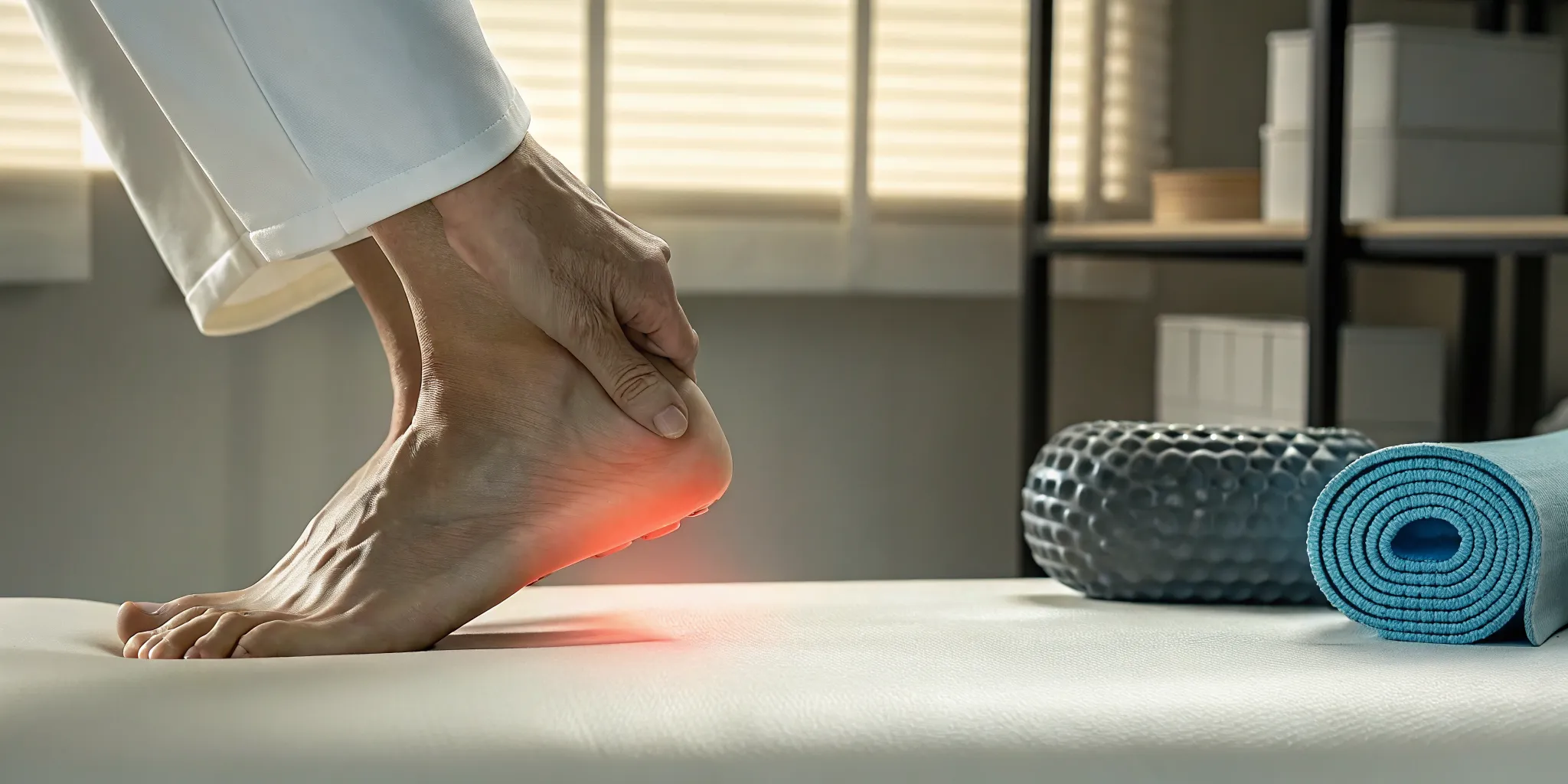
That first step out of bed shouldn't be a painful one, but for many, it’s a sharp reminder of a problem that won’t go away. A persistent ache or stabbing sensation in the arch of your foot can turn simple activities like walking the dog or standing at your desk into a daily challenge. This discomfort, known as foot arch pain, is your body’s way of signaling that something is wrong. It’s more than just a minor annoyance; it’s a sign that the complex structure supporting your entire body needs attention. This guide will walk you through the common causes and provide clear, actionable steps for finding relief.
Key Takeaways
Pinpoint the Cause of Your Pain: Arch pain can come from many places, such as plantar fasciitis, your foot's natural structure, or daily overuse. Getting a professional diagnosis is the best way to understand what's happening and find the right solution.
Combine At-Home Care with Professional Guidance: You can begin treating pain with simple remedies like rest, ice, and targeted stretches. If your discomfort lasts more than a couple of weeks, it's time to see a podiatrist for more advanced options like custom orthotics or physical therapy.
Build Habits for Lasting Prevention: Keeping arch pain from coming back is about proactive care. Focus on wearing supportive shoes, stretching your feet and calves every day, and maintaining a healthy weight to reduce stress on your arches.
What Is Foot Arch Pain?
Foot arch pain can make those first steps out of bed surprisingly difficult. Your foot’s arch is a complex system of bones, ligaments, and tendons that supports your body. When any part of this system is strained or injured, you feel it. While it’s a common complaint, persistent arch pain isn’t something you should just learn to live with. Understanding what you’re feeling is the first step toward finding relief and getting back to your daily activities.
Key Symptoms to Watch For
How do you know if you're dealing with arch pain? You’ll likely feel it along the bottom of your foot, between your heel and the ball of your foot. For many, the pain is most intense with the first few steps in the morning, feeling like a dull ache or a sharp, bruise-like tenderness. The pain can also flare up after long periods of standing or walking, then subside with rest. If you find yourself dreading that first step out of bed, it's a classic sign that your arches need attention.
Dull Ache vs. Sharp Pain: What's the Difference?
The way your pain feels can provide clues about its cause. A general, dull ache might point to foot fatigue or strain from overuse. However, a sharp, stabbing, or burning sensation is more specific. People often describe this as a pulling or tearing feeling in the middle of the arch, which is often associated with inflammation of ligaments like the plantar fascia. Paying attention to whether your pain is dull or sharp helps you describe your symptoms more clearly to a podiatrist, leading to a better diagnosis.
Is Your Arch Pain a Sign of Something More?
While some arch pain resolves with rest, persistent discomfort can signal an issue that needs attention. Common causes include plantar fasciitis, flat feet, and posterior tibial tendon dysfunction (PTTD), which can develop from overuse or improper footwear. If you’ve tried resting your feet and the pain continues for more than a week or two, it’s time to seek a professional diagnosis. A podiatrist can identify the root cause of your pain and rule out more serious underlying conditions to get you on the right treatment path.
What Causes Pain in the Arch of Your Foot?
That nagging pain in your arch can really throw a wrench in your day. Since your feet are your foundation, it’s important to understand what might be causing the discomfort. Arch pain isn't a one-size-fits-all issue; it can stem from a variety of conditions, from your foot's natural structure to the shoes you wear. Let's walk through some of the most common culprits behind that ache. Identifying the source is the first step toward finding relief and getting back to your life without pain holding you back.
Plantar Fasciitis
One of the most frequent causes of arch and heel pain is plantar fasciitis. Think of the plantar fascia as a thick, bowstring-like ligament that runs along the bottom of your foot, connecting your heel to your toes and supporting your arch. When this band of tissue gets overstretched or overused, it can become inflamed and irritated, causing a sharp, stabbing pain. You might notice the pain is most intense with your first steps in the morning or after long periods of rest. It's a classic sign that this hardworking ligament needs some attention and care.
Flat Feet and High Arches
Your foot's natural structure plays a huge role in how it handles daily stress. If you have flat feet, also known as fallen arches, your entire foot may press against the ground when you stand. This can strain the muscles and ligaments in your feet, leading to arch pain, especially after activity. On the other end of the spectrum, having very high arches (cavus foot) can also cause problems. A high arch concentrates pressure on the ball and heel of your foot, which can lead to arch pain and instability. Both conditions can benefit from the right support.
Posterior Tibial Tendon Dysfunction (PTTD)
The posterior tibial tendon is a crucial player in holding up your arch and supporting your foot when you walk. Posterior Tibial Tendon Dysfunction, or PTTD, occurs when this tendon becomes inflamed or torn from injury or overuse. As the tendon gets damaged, it can no longer provide adequate support, which may cause your arch to slowly collapse. This can lead to significant pain and swelling along the inside of your foot and ankle. Because PTTD can progress over time, it's important to have it evaluated by one of our expert physicians for a proper diagnosis and treatment plan.
Overpronation and Overuse
Sometimes, arch pain is a simple matter of mechanics and stress. Overpronation happens when your foot rolls too far inward as you walk or run, causing your arch to flatten more than it should. This motion can put a lot of strain on the muscles and ligaments in your foot. This is often connected to overuse, which can happen from a sudden increase in high-impact activities like running and jumping or from simply spending long hours on your feet at work. This repetitive stress can fatigue your arches and lead to persistent, aching pain that needs to be addressed.
Unsupportive Footwear and Hard Surfaces
The shoes you wear and the ground you walk on have a direct impact on your foot health. Consistently wearing footwear with poor support, like flip-flops, flat dress shoes, or old, worn-out sneakers, can leave your arches vulnerable to strain. High heels are another common offender, as they alter your foot's natural alignment and put excessive pressure on specific areas. Combining unsupportive shoes with long hours of standing or walking on hard, unforgiving surfaces like concrete is a recipe for arch pain. The right footwear and custom orthotics can make a world of difference in providing the support your feet need.
Arthritis and Nerve Issues
In some cases, arch pain can be a symptom of an underlying medical condition. Arthritis, for example, can cause inflammation and stiffness in the joints of your midfoot, leading to a deep, aching pain in the arch. Nerve issues can also be the source of your discomfort. A condition like tarsal tunnel syndrome, which is similar to carpal tunnel syndrome in the wrist, involves a compressed nerve in your ankle. This can cause shooting or burning pain, tingling, and numbness in your arch and the bottom of your foot. If you suspect your pain is more than a simple strain, it's time to schedule an appointment for a thorough evaluation.
How Is Arch Pain Diagnosed?
Getting to the bottom of your arch pain is the first real step toward feeling better. While it’s tempting to self-diagnose, a professional evaluation is the best way to figure out exactly what’s going on. At your appointment, your podiatrist will use a few different methods to identify the source of your discomfort and create a treatment plan that works for you. This process usually starts with a simple conversation and a physical check-up.
Your Physical Exam and Symptom Review
The first thing your doctor will do is talk with you. Expect to answer questions about your pain: when did it start, what does it feel like, and what activities make it better or worse? This conversation is one of the most important diagnostic tools we have. Your doctor will also perform a hands-on physical exam, gently pressing on different areas of your foot and arch to pinpoint tenderness and inflammation. This helps differentiate between conditions like plantar fasciitis and other issues. Our team of physicians takes the time to listen carefully to your symptoms to get a full understanding of your experience.
Analyzing Your Gait and Footwear
How you walk and what you wear on your feet can reveal a lot about the cause of your arch pain. Your podiatrist will likely watch you walk to analyze your gait, or the specific way your feet move and strike the ground. This can show if issues like overpronation are contributing to your pain. You should also bring a pair of your most-worn shoes to your appointment. The wear patterns on the soles provide valuable clues about your foot mechanics. This analysis helps us determine if you might benefit from different footwear or custom orthotics to provide better support.
Imaging Tests Like X-Rays and MRIs
In many cases, a physical exam and gait analysis are enough to diagnose arch pain. However, if your doctor suspects an underlying issue like a stress fracture, bone spur, or significant tendon damage, they may recommend an imaging test. An X-ray is great for looking at bones, while an MRI provides a detailed view of soft tissues like ligaments and tendons. These tests help rule out more serious conditions and confirm a diagnosis, ensuring you get the most accurate and effective treatment possible. If you're ready to get answers, you can schedule an appointment at one of our convenient locations.
How to Treat Foot Arch Pain
Dealing with arch pain can be frustrating, but the good news is that many effective treatments are available. You can start with simple at-home remedies and, if needed, move on to professional care. The key is to listen to your body and take action to support your feet.
At-Home Care: Rest, Ice, and Pain Relief
When your arches first start to ache, giving them a break is one of the best things you can do. Try to reduce activities that put a lot of weight on your feet, like running or standing for long periods. Elevating your feet can also help reduce any swelling. For targeted relief, apply an ice pack to your heels and arches for about 20 minutes a few times a day. This can help with both pain and inflammation. If the discomfort persists, over-the-counter pain relievers like ibuprofen can offer temporary relief from pain and swelling. Just be sure to follow the package directions.
Essential Stretches for Your Feet and Calves
Tight muscles in your legs and feet can put extra strain on your arches. Gentle, consistent stretching can make a huge difference by improving flexibility and relieving tension. Focus on stretching your calf muscles, your Achilles tendon (the cord at the back of your ankle), and the sole of your foot. A simple calf stretch against a wall or a towel stretch for your foot can be very effective. Making these stretches a part of your daily routine, especially in the morning, helps prepare your feet for the day and can prevent the return of that nagging arch pain. Our team can guide you on the best stretches for your specific condition as part of our podiatry services.
Finding Support with Orthotics and Better Shoes
The shoes you wear play a massive role in the health of your feet. If you’re experiencing arch pain, take a look at your footwear. Are your shoes worn out? Do they offer good arch support? Choosing shoes with a firm sole and proper cushioning can take a lot of pressure off your arches. For some people, especially those with flat feet or high arches, over-the-counter inserts can provide extra support. If your pain is more persistent, custom orthotics might be the answer. These are specially made inserts designed to fit your unique foot structure, providing targeted support exactly where you need it most.
Professional Treatments: Night Splints and Physical Therapy
If at-home care isn’t cutting it, it may be time to explore professional treatments. A podiatrist can recommend several options based on your specific diagnosis. For example, wearing a night splint while you sleep can keep your plantar fascia and Achilles tendon stretched, which often reduces morning pain. Physical therapy is another excellent option, where a professional guides you through specific exercises and stretches to strengthen your foot and lower leg muscles. In some cases, a walking boot may be recommended to give your foot a chance to heal without the daily strain of walking.
When to See a Podiatrist
While many cases of arch pain resolve with self-care, you shouldn't ignore persistent symptoms. It’s time to see a podiatrist if your pain lasts for more than a couple of weeks despite your best efforts at home. You should also make an appointment if you notice significant swelling or bruising, or if the pain makes it difficult to walk or perform your daily activities. A podiatrist can give you an accurate diagnosis and create a personalized treatment plan to get you back on your feet comfortably. If you're ready to find a solution, you can schedule an appointment with our team today.
How to Prevent Arch Pain From Returning
Once you’ve found relief from arch pain, the next step is making sure it doesn’t come back. Preventing future flare-ups is all about creating consistent, healthy habits for your feet. By making a few key adjustments to your daily routine, you can provide your arches with the support they need to stay strong and pain-free for the long haul. It’s about being proactive with your foot health, not just reacting when pain strikes. These simple strategies can make a world of difference in keeping you comfortable and on your feet.
Strengthen and Stretch Your Feet Daily
Think of daily stretching as essential maintenance for your feet. Tight muscles in your legs and feet can pull on your arches, creating strain and leading to pain. A few minutes of gentle stretching each day can significantly improve flexibility and reduce this tension. Focus on your calf muscles, the bottoms of your feet (the plantar fascia), and your toes. A great rule of thumb is to hold each stretch for about 30 seconds and repeat it three to five times. This simple habit helps keep your muscles pliable and better equipped to handle the stresses of daily activity.
Choose the Right Shoes (and Know When to Replace Them)
The shoes you wear are the foundation of your foot health. Look for footwear with strong, built-in arch support that helps distribute pressure evenly across your foot. If your feet tend to roll inward when you walk (a condition called overpronation), you may benefit from "stability" shoes designed to provide extra support. Just as important as choosing the right shoe is knowing when to replace it. Even the best shoes lose their cushioning and support over time. A good guideline is to get a new pair every 300 to 500 miles of wear to ensure your feet are always properly protected.
Manage Your Weight and Activity Level
Your feet support your entire body, so any extra weight you carry places additional stress on your arches. Maintaining a healthy weight is one of the most effective ways to reduce this pressure and prevent pain. If you are overweight, even a modest amount of weight loss can provide significant relief. It’s also important to be mindful of your activity level. If your job or lifestyle requires you to stand for long periods, make a point to take regular breaks. Sit down for a few minutes whenever you can to give your feet a chance to rest and recover.
Use Orthotics for Long-Term Support
For many people, the standard insoles that come with shoes just don’t offer enough support. This is where orthotics can be a game-changer. Over-the-counter arch supports can provide an extra layer of cushioning and stability that your feet need. For more persistent issues, custom orthotics created by a podiatrist offer a solution tailored specifically to the unique shape and needs of your feet. These devices are designed for long-term use and can correct underlying biomechanical issues, providing lasting support and preventing pain from returning.
Related Articles
Frequently Asked Questions
When should I stop trying at-home remedies and see a podiatrist? At-home care like rest and ice is a great first step, but it isn't a long-term solution for persistent pain. You should schedule an appointment if your arch pain continues for more than two weeks despite your efforts, if the pain is severe enough to interfere with your daily life, or if you notice significant swelling, bruising, or numbness. A professional diagnosis is the quickest way to get on the right path to recovery.
Is my arch pain definitely plantar fasciitis? While plantar fasciitis is a very common cause of arch and heel pain, it’s not the only one. Your discomfort could also stem from your foot structure, like having flat feet or high arches, or from an issue with a tendon, such as posterior tibial tendon dysfunction. The only way to know for sure what's causing your pain is to get a professional evaluation from a podiatrist who can pinpoint the exact source of the problem.
What’s the real difference between store-bought inserts and custom orthotics? Think of store-bought inserts as a one-size-fits-most solution. They can provide general cushioning and some support, which is often enough for mild foot fatigue. Custom orthotics, however, are medical devices prescribed by a podiatrist and created from a precise mold of your feet. They are designed to correct your specific foot mechanics and address the root cause of your pain, offering a much more targeted and effective level of support.
How much do my shoes actually matter for preventing arch pain? Your shoes matter immensely; they are your feet's primary support system throughout the day. Footwear that lacks adequate arch support or is old and worn out forces the ligaments and tendons in your feet to work overtime, leading to strain and pain. Choosing shoes with good structure and replacing them regularly is one of the most effective preventative steps you can take to keep your arches healthy and pain-free.
Will I have to stop being active to get rid of my arch pain? Not necessarily. The goal of treatment is to get you back to your life, not put it on hold. While you may need to temporarily modify your routine, it rarely means stopping all activity. For instance, you might swap high-impact exercises like running for lower-impact options like swimming or cycling while your foot heals. A podiatrist can help you create a plan that allows your arch to recover without forcing you to the sidelines.