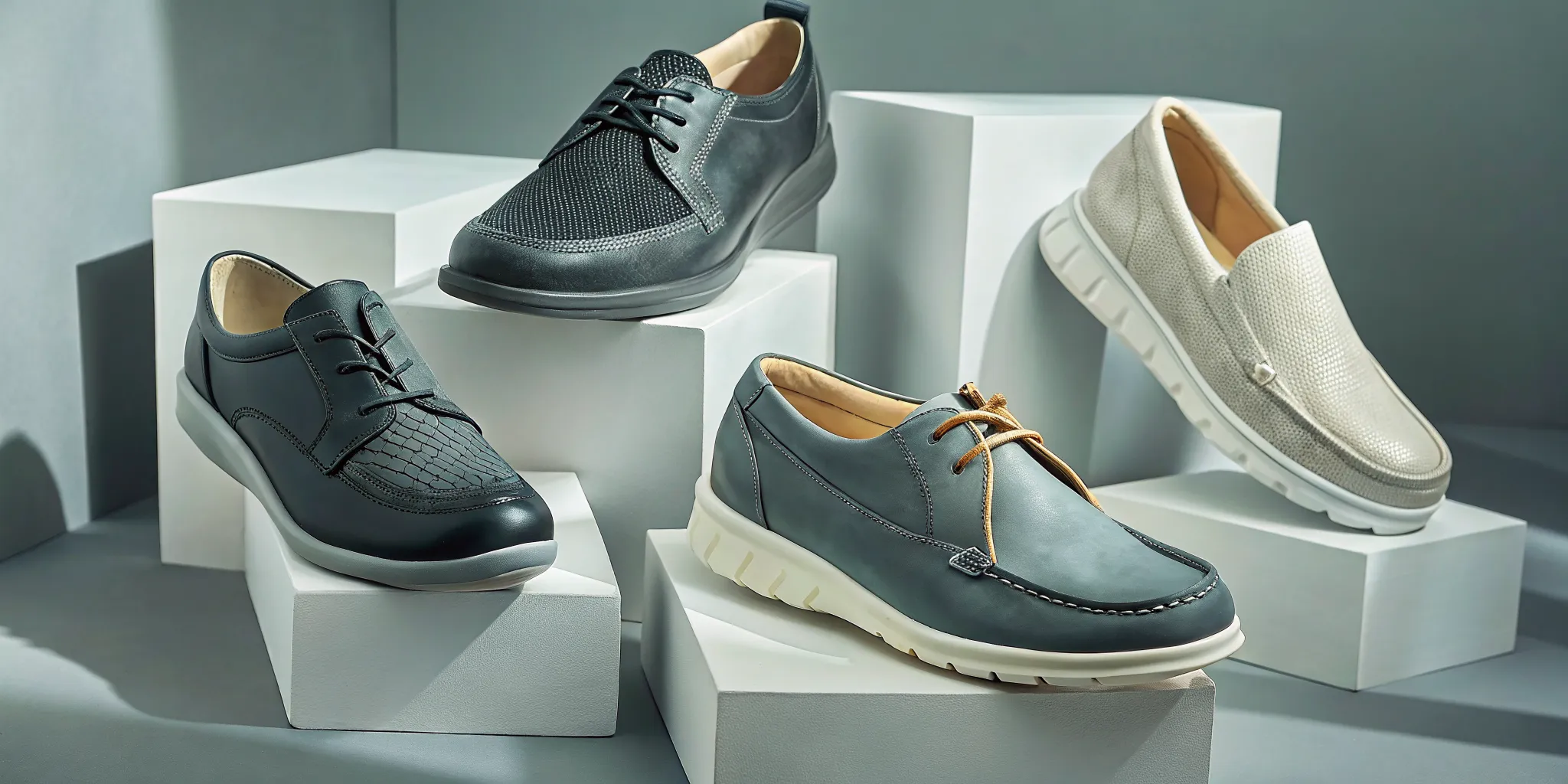
5 Best Shoes for Morton's Neuroma (Podiatrist-Approved)
Date:
Editor:
The Foot & Ankle Group
Shoe shopping with Morton’s neuroma can be a frustrating and expensive cycle. You find a pair that feels comfortable in the store, only to discover after a day of wear that they trigger that familiar burning pain in the ball of your foot. It’s easy to feel like no shoe will ever work. The problem isn’t you; it’s that most shoes aren’t designed to accommodate this specific condition. To find relief, you need to know exactly what features to look for. This guide will end the guesswork. We’ll walk you through the non-negotiables, from a wide toe box to proper cushioning, so you can finally find the best shoes for Morton’s neuroma and get back to your life without pain.
Key Takeaways
Look for Space and Cushioning: Your best defense is a shoe with a wide toe box that prevents toe-squeezing and plenty of cushioning to absorb impact, protecting the sensitive nerve in the ball of your foot.
Ditch the Wrong Shoes: Shoes with narrow toe boxes and high heels directly compress the nerve, so it's best to avoid them. Also, be sure to replace old, worn-out shoes that have lost their supportive cushioning.
Add Support and Practice Self-Care: Make good shoes even better with accessories like metatarsal pads or custom orthotics for targeted relief. Combine this with simple at-home care, like icing and foot massage, to reduce inflammation and manage pain effectively.
What Is Morton's Neuroma (and Why Do Your Shoes Matter So Much)?
If you’ve ever felt a sharp, burning pain in the ball of your foot or the sensation of a pebble stuck in your shoe, you might be dealing with Morton’s neuroma. This condition occurs when the tissue around a nerve leading to your toes becomes thickened and irritated. It most commonly develops between the third and fourth toes, causing significant discomfort that can make walking, running, or even just standing feel like a chore. You might also experience stinging, tingling, or numbness in your toes.
So, where do your shoes fit into this picture? They play a starring role, for better or for worse. The nerve irritation at the heart of Morton’s neuroma is often caused or worsened by pressure. Footwear that is too tight or narrow can squeeze your toe bones together, compressing the nerve between them. High heels are another common culprit, as they force your weight onto the ball of your foot, increasing pressure on that sensitive area.
The good news is that changing your footwear can make a world of difference. The right shoes can help reduce pressure on the nerve, giving it space and cushioning to heal. They act as a support system for your feet, easing pain and preventing further irritation. That’s why finding the right pair is one of the most important steps you can take to manage neuroma pain. If these symptoms sound familiar, our team provides expert services to diagnose and treat foot pain.
What to Look for in Shoes for Morton's Neuroma
Finding the right shoes when you have Morton's neuroma can feel like a game-changer. It’s not just about finding temporary relief; it’s about creating an environment where your foot can function without aggravating that sensitive nerve. The wrong pair can make a normal day feel unbearable, while the right one can help you get back to your life with significantly less pain. Think of your shoes as a key part of your treatment plan. When you’re shopping, it helps to have a checklist of non-negotiable features. We’ve put together the most important things to look for to ensure your footwear is helping, not hurting.
A Wide Toe Box
This is probably the most critical feature to look for. A wide toe box gives your toes the space they need to spread out naturally instead of being squeezed together. When your toes are cramped, it puts direct pressure on the ball of your foot, compressing the very nerve that’s causing your pain. Look for shoes described as having a "foot-shaped" or "anatomical" toe box. This design mimics your foot's natural shape, preventing the pinching that happens in tapered or pointed shoes. Giving your forefoot this extra room is a simple but powerful way to reduce irritation on the nerve throughout the day.
Plenty of Cushioning and Shock Absorption
Think of cushioning as your foot’s personal suspension system. Every step you take sends a shockwave from the ground up through your body, and the ball of your foot takes a lot of that impact. For a foot with Morton’s neuroma, that impact can feel especially jarring. Shoes with generous cushioning help absorb this shock, protecting the inflamed nerve from repetitive stress. Look for midsoles made from responsive foams that feel plush but supportive. This feature is crucial not just for walking or running, but for anyone who spends a lot of time on their feet. It provides a protective buffer between you and the hard ground.
A Low or Zero Heel-to-Toe Drop
Heel-to-toe drop refers to the height difference between the heel and the forefoot of a shoe. High heels are an obvious culprit, as they force your body weight forward onto the ball of your foot, but even traditional running shoes can have a significant drop. For Morton’s neuroma, you want to find shoes with a low or "zero-drop" profile. This keeps your foot on a more level plane, distributing your weight more evenly and taking pressure off the sensitive forefoot. This doesn't mean you have to sacrifice cushioning; many well-cushioned shoes now offer a lower heel-to-toe drop.
Proper Metatarsal Support
The metatarsal bones are the long bones in your foot that connect to your toes, and your neuroma is located right between them. Proper support in this area can make a world of difference. Some shoes come with a built-in feature called a metatarsal pad, which is a small, raised dome in the insole that sits just behind the ball of your foot. This gentle lift helps to spread the metatarsal bones apart, creating more space and taking pressure directly off the nerve. If your favorite shoes lack this feature, you can achieve the same effect with specialized insoles or custom orthotics, which are designed to perfectly match your foot's unique needs.
Arch Support and Stability
While metatarsal support targets the forefoot, good arch support is essential for your entire foot’s alignment. A stable arch helps your foot maintain a natural, healthy position and ensures your body weight is distributed evenly with every step. Without proper arch support, your foot may be more prone to pronation (rolling inward), which can put extra strain on the forefoot and worsen neuroma pain. A shoe with good stability and arch support works together with other features to create a balanced environment, preventing any single part of your foot from taking on too much pressure.
Soft, Flexible Materials
The material of the shoe's upper plays a big role in overall comfort. Stiff, rigid materials can create pressure points and restrict your foot's natural movement, leading to irritation. Instead, look for shoes made from soft, flexible materials like engineered mesh, stretch knit, or soft leather. These materials adapt to the shape of your foot rather than forcing your foot to conform to the shoe. This flexibility is especially important around the toe box, as it allows the forefoot to expand comfortably without feeling constricted. If finding a shoe that checks all these boxes feels overwhelming, our team is here to help you find the perfect fit for your feet and lifestyle.
Our Top Shoe Recommendations by Activity
Finding the right shoe when your feet are in pain can feel like a full-time job. To make it easier, we’ve put together a list of podiatrist-approved shoes that are excellent for managing Morton’s neuroma. This isn’t an exhaustive list, but it’s a great starting point. Remember, the best shoe for you will always depend on your unique foot shape, gait, and daily activities. If you’re unsure where to begin, our team can provide personalized services and recommendations.
Best for Walking: HOKA Bondi 9
If you spend a lot of time on your feet, the HOKA Bondi 9 is a fantastic choice. It’s known for its maximum cushioning, especially in the forefoot, which is exactly where you need relief from neuroma pain. The shoe features a thick, rocker-style platform that absorbs shock with every step you take, reducing the impact on the sensitive nerves in the ball of your foot. This makes it ideal for long walks, daily errands, or jobs that require hours of standing. The plush comfort helps protect the irritated nerve, allowing you to stay active with less pain.
Best for Running #1: New Balance Fresh Foam X 1080v14
For runners dealing with Morton’s neuroma, the New Balance Fresh Foam X 1080v14 is a top contender. Its main advantage is the combination of soft, cloud-like cushioning and a roomy fit. The wider toe box gives your forefoot and metatarsals plenty of space to spread out naturally, which is critical for preventing the nerve compression that causes that familiar burning or tingling sensation. The plush Fresh Foam cushioning provides a forgiving landing, absorbing the impact of each stride so your neuroma doesn't take the brunt of the force. You can find more foot care advice on our blog.
Best for Running #2: Brooks Ghost 16
The Brooks Ghost 16 is another excellent option for runners, particularly those who prefer a balanced ride that isn’t overly bulky. It’s a neutral shoe that delivers impressive shock absorption and a smooth, comfortable feel from heel to toe. While it has plenty of cushioning to protect the forefoot, it maintains a lighter feel that many runners appreciate. This balance makes it a reliable daily trainer that can help you log miles without aggravating your neuroma. Our expert physicians can help you determine if a neutral shoe is the right fit for your specific gait and needs.
Best Zero-Drop Pick: Altra Torin 8
If you’re interested in a more natural foot position, the Altra Torin 8 is the best in its class. Altra is famous for two key features: a signature wide, foot-shaped toe box and a zero-drop platform. The zero-drop design means your heel and forefoot are at the same height, which can help reduce pressure on the ball of your foot. Paired with the extra-wide toe box, this shoe completely eliminates the toe-squeezing that often triggers neuroma pain. It’s important to transition to zero-drop shoes slowly, so consider booking an appointment to discuss the best way to make the switch.
Best for Daily Wear: Kizik
For everyday comfort and convenience, Kizik shoes are hard to beat. While they are best known for their hands-free, step-in design, their benefits for Morton’s neuroma go much further. Kiziks are built with a roomy forefoot that prevents crowding and compression, giving your toes the space they need. They also provide excellent arch support, which helps distribute pressure more evenly across your foot instead of concentrating it on the ball. This combination of a non-constricting fit and supportive structure makes them an ideal choice for daily wear, helping you get through your day with less irritation. New patients can find additional resources on our site.
Common Shoe Mistakes That Worsen Neuroma Pain
Finding the right shoes is a huge step, but how you wear them matters just as much. Even the perfect pair can’t do its job if a few common habits are working against it. Avoiding these simple mistakes can make a world of difference in managing your neuroma pain and keeping flare-ups at bay.
Wearing Shoes with Narrow Toe Boxes
It can be tempting to choose a stylish pair of shoes with a tapered, pointy toe, but this is one of the biggest mistakes you can make with Morton’s neuroma. Shoes with a narrow toe box squeeze your toes together, compressing the metatarsal bones in the ball of your foot. This directly irritates the affected nerve, leading to that familiar burning or sharp pain. Think of it as creating the exact problem you’re trying to solve. Instead, always look for footwear that gives your toes plenty of room to spread out naturally. A wide, spacious toe box is non-negotiable for keeping pressure off the nerve and giving your foot the space it needs to be comfortable.
Choosing High Heels or Styles with an Elevated Forefoot
I get it, sometimes an outfit just feels like it needs a heel. Unfortunately, high heels are a major trigger for neuroma pain. When you wear heels, your body weight shifts forward onto the balls of your feet, placing intense pressure right where the neuroma is located. Even a modest heel can cause this weight transfer and aggravate the nerve. For daily wear, it’s best to stick with shoes that have a low or zero heel-to-toe drop. This keeps your foot on a more level plane, distributing your weight evenly and preventing extra stress on your forefoot. Saving your feet from that constant pressure is one of the kindest things you can do for your neuroma.
Switching to Zero-Drop Shoes Too Fast
While zero-drop shoes are often a great choice for Morton's neuroma, making the switch too abruptly can backfire. Your body is used to functioning in shoes with some degree of heel elevation, even in sneakers. Going from that to a completely flat shoe overnight can put new strain on your calf muscles and Achilles tendons, which have to stretch more than they're used to. This can trade one type of pain for another. The key is to transition slowly. Start by wearing your new zero-drop shoes for just an hour or two a day, then gradually increase the time over several weeks. This gives your leg muscles time to adapt without causing a new injury. If you're unsure how to transition safely, it's always a good idea to schedule an appointment for personalized advice.
Wearing Worn-Out Shoes Past Their Prime
We all have that favorite pair of comfy, broken-in shoes we hate to part with. But when you have Morton’s neuroma, wearing shoes past their expiration date is a recipe for pain. Over time, the midsole foam that provides cushioning and shock absorption breaks down and compresses. When that support is gone, every step sends more impact through your forefoot, aggravating the neuroma. As a general rule, running shoes should be replaced every 300 to 500 miles, but for walking and daily wear, pay attention to how they feel. If your shoes feel flat or less supportive than they used to, it’s time for a new pair. Providing your feet with consistent, reliable support is a key part of our comprehensive care philosophy.
Skipping Orthotics and Insoles
Relying on the factory insole that comes with your shoes is often not enough when you're dealing with a neuroma. These standard insoles typically lack the specific support needed to relieve pressure on the nerve. Skipping a supportive insole or a custom orthotic is a missed opportunity for significant pain relief. A good orthotic can help lift and separate the metatarsal bones, creating more space for the nerve and reducing irritation with every step. Whether you start with a quality over-the-counter insert or invest in custom orthotics from a podiatrist, adding this layer of support is one of the most effective ways to make your shoes work better for you.
What Accessories Can Make Your Shoes More Comfortable?
Finding the right shoes is a huge step toward managing Morton's neuroma, but sometimes you need a little extra help. The right accessories can transform a good shoe into the perfect one for your feet. These additions target the specific pressure points that cause flare-ups, giving you more support and relief. From simple pads to custom-fit devices, here are a few options that can make a world of difference.
Metatarsal Pads
Metatarsal pads are small but mighty tools for neuroma relief. These pads stick inside your shoe or onto an insole, positioned just behind the ball of your foot. Their job is to gently lift and spread your metatarsal bones. This small adjustment creates more space between the bones, taking pressure directly off the irritated nerve that causes that familiar burning or sharp pain. You can find them in various materials, from soft gel to firmer foam. It might take a little trial and error to find the perfect placement, but once you do, these little pads can provide significant relief, especially during long days on your feet.
Custom Orthotics vs. Over-the-Counter Insoles
Many people wonder if they should grab an insole from the pharmacy or get something more specialized. Over-the-counter insoles can offer general cushioning and arch support, making them a decent starting point for mild discomfort. However, for persistent pain from Morton's neuroma, custom orthotics are often the superior long-term solution. Unlike one-size-fits-all inserts, custom orthotics are molded from an impression of your feet. This tailored fit provides precise support to offload pressure from the affected nerve and can help correct underlying foot mechanics contributing to the problem. If you've tried over-the-counter options without success, it may be time to schedule an appointment to discuss a custom solution.
Toe Spacers and Toe Socks
If your toes feel cramped and compressed, toe spacers or specialty toe socks can be incredibly helpful. These accessories work by gently separating your toes, which prevents them from squeezing together and pinching the nerve in your forefoot. Toe spacers are typically made of soft silicone and can be worn for short periods while you relax or even inside shoes that have a wide enough toe box. Toe socks function similarly, with individual compartments for each toe, much like a glove for your foot. Using them can help realign your toes naturally and create that much-needed space to reduce pressure and irritation. They are a simple, non-invasive way to give your feet a break.
How to Shop Smart for Morton's Neuroma Shoes
Finding the perfect pair of shoes when you have Morton’s neuroma can feel like a real challenge, but a few smart shopping strategies can make all the difference. It’s not just about what you buy; it’s also about how you buy it. Thinking like a shoe-shopping pro will help you walk away with a pair that soothes your feet instead of stressing them out. These simple tips will help you make confident choices and find footwear that provides lasting relief as part of your overall care plan.
Try on Shoes Later in the Day
Here’s a simple trick that works wonders: schedule your shoe shopping for the afternoon or evening. Your feet naturally swell as the day goes on, especially if you’ve been standing or walking. Trying on shoes when your feet are at their largest helps you get the most accurate fit. A pair that feels perfect at 10 a.m. might feel uncomfortably snug by 5 p.m., leading to pinched nerves and unnecessary pain. By shopping later, you ensure there’s enough room to accommodate your feet all day long, preventing that tight, constricted feeling that aggravates neuroma symptoms.
Always Check the Return Policy
Before you commit to a purchase, take a moment to read the store’s return policy. This is a non-negotiable step when you’re managing a condition like Morton’s neuroma. A shoe can feel amazing when you try it on for a few minutes in the store, but you won’t know how it truly performs until you’ve worn it for a few hours at home or on a walk. A flexible return policy gives you a safety net, allowing you to test the shoes in a real-world setting. Look for stores that offer full refunds on worn shoes within a reasonable timeframe, so you’re not stuck with a pair that doesn’t work for you.
Know When You Might Need to Size Up
Don’t get too attached to your usual shoe size. When it comes to Morton’s neuroma, a roomy toe box is your best friend, and sometimes that means going up a half or even a full size. If your toes feel cramped or the sides of your foot feel squeezed, the shoe is too tight. That pressure is exactly what you need to avoid. Sizing up can provide the crucial width and length needed to let your toes spread out naturally, relieving pressure on the affected nerve. If you’re still struggling to find a comfortable fit, our team can help with a professional evaluation and discuss if custom orthotics could improve your shoe comfort.
How to Transition to New Shoes Without Causing a Flare-Up
You’ve done your research and found a promising new pair of shoes. It’s tempting to lace them up and head out for the day, but with Morton’s neuroma, a little patience goes a long way. Jumping into new footwear too quickly can irritate the nerve and undo all your hard work. The key is to give your feet time to adjust to the new support and mechanics.
Start by creating a simple rotation schedule. Wear your new shoes for just an hour or two around the house on the first day. The next day, try them for a bit longer or for a short walk outside. Gradually increase the wear time over one to two weeks, alternating with your old, trusted pair. This slow introduction allows the muscles and ligaments in your feet to adapt without getting overworked. If you’re switching to a zero-drop shoe, this process is even more critical, as it requires your calf muscles and Achilles tendon to lengthen.
Listen to your body. Your feet will give you feedback, so it's important to monitor your symptoms. If you notice an increase in tingling, burning, or sharp pains, take a break from the new shoes for a day or two before trying again for a shorter period. It’s not a race. Also, consider other lifestyle habits that can affect foot pressure, like maintaining a healthy weight. A smooth transition isn’t just about the shoes; it’s about creating a less stressful environment for your feet overall. If pain persists or you’re unsure how to proceed, don’t hesitate to schedule an appointment with a podiatrist for personalized advice.
Simple At-Home Care to Complement Your Footwear
Finding the right shoes is a huge step toward managing Morton’s neuroma, but it’s only one piece of the puzzle. Think of your footwear as the foundation of your support system. To build on that foundation, you can incorporate simple at-home care routines that directly address the pain, inflammation, and pressure that cause flare-ups. These daily habits are your secret weapon for keeping discomfort at bay and can make a significant difference in your overall comfort and mobility.
The goal is to create a comprehensive care plan that works for your lifestyle. By combining supportive footwear with targeted self-care, you actively reduce strain on the affected nerve. This approach helps manage symptoms between podiatrist visits and empowers you to take control of your foot health. Consistency is the key. Even just a few minutes of care each day can prevent minor irritation from turning into major pain. These practices are not just about finding temporary relief; they are about creating an environment where your foot can heal. If at-home efforts aren't providing enough relief, remember that professional services are available to create a more advanced and personalized treatment plan.
Foot Massage and Stretching
Gentle massage and stretching can work wonders for relieving the tight, burning pain of a neuroma. These movements help reduce tension in the ligaments and muscles surrounding the nerve, creating more space and easing compression. A simple and effective technique is to roll the ball of your foot over a tennis ball, lacrosse ball, or even a frozen water bottle for a few minutes each day. This can help release tightness in the plantar fascia and surrounding tissues.
You can also perform simple stretches, like gently pulling your toes apart to reduce pressure on the nerve. To complement these exercises, consider adding supportive insoles or pads to your shoes. While stretching creates flexibility, arch support helps maintain proper foot alignment throughout the day, preventing the structures in your foot from collapsing and pinching the nerve. If over-the-counter options don't cut it, custom orthotics can provide tailored support.
Ice Therapy to Reduce Inflammation
Inflammation is a primary driver of neuroma pain, causing the nerve and surrounding tissue to swell and become even more compressed. Ice therapy is a straightforward and powerful way to combat this. Applying an ice pack to the painful area on the ball of your foot can significantly reduce swelling and numb the sharp, shooting sensations. It’s one of the most effective home remedies for immediate relief after a long day or an activity that has aggravated your symptoms.
For the best results, wrap an ice pack or a bag of frozen vegetables in a thin towel and apply it to the affected area for 15 to 20 minutes at a time. You can repeat this several times a day as needed. This simple practice is a cornerstone of first aid for foot injuries and can help you manage flare-ups effectively, giving your nerve a much-needed break from irritation.
Limit Long Periods of Standing When Possible
Constant pressure on your feet is a major contributor to neuroma pain. Standing for extended periods places sustained stress on the ball of your foot, which can compress the nerve and worsen your symptoms. While avoiding standing altogether isn't realistic for most of us, being mindful of it can make a big difference. If your job requires you to be on your feet, look for opportunities to take short sitting breaks to offload the pressure.
When you have to stand, try to shift your weight periodically or use an anti-fatigue mat to provide extra cushioning. At home, make a conscious effort to sit or elevate your feet when you can, especially at the end of the day. This simple adjustment reduces cumulative strain and gives your feet a chance to recover. If your job makes this difficult, it's a good idea to schedule an appointment to discuss strategies and workplace accommodations with a podiatrist.
When Should You See a Podiatrist About Morton's Neuroma?
Switching to better footwear is an excellent first step, but sometimes it isn't the complete solution. If you've changed your shoes and are still dealing with that nagging "pebble in your shoe" feeling, it might be time to see a specialist. Listening to your body is key, and persistent pain is its way of telling you it needs more support.
You should consider scheduling an appointment with a podiatrist if you experience any of the following:
Pain that doesn't improve: If you've been wearing appropriate, well-fitting shoes for a few weeks and the pain, tingling, or numbness hasn't gotten better, it's a clear sign to seek a professional opinion.
Symptoms that are getting worse: Pay attention if the burning sensation becomes more intense or the numbness starts to spread. Worsening symptoms can indicate that the nerve irritation is progressing and may require more targeted treatment.
Uncertainty about your condition: Foot pain can stem from many different issues. A podiatrist can provide a proper diagnosis to confirm it's Morton's neuroma and not something else, ensuring you get the right care.
A foot and ankle specialist can offer treatments that go beyond footwear. After a thorough evaluation, we can develop a personalized plan that may include custom orthotics designed to offload pressure from the affected nerve, padding, or anti-inflammatory injections to reduce swelling and pain. You don't have to figure this out alone. Getting an expert evaluation is the most effective way to find lasting relief and get back to your daily activities without discomfort. If you're ready to address your foot pain, you can schedule an appointment with our team.
Related Articles
Frequently Asked Questions
Can the right shoes actually cure Morton's neuroma? Think of the right shoes as a critical management tool rather than a cure. By providing a wide toe box and proper cushioning, they reduce the pressure and irritation on the nerve, which can significantly decrease your pain and prevent the condition from getting worse. This gives the nerve a chance to calm down, but it doesn't reverse the physical thickening that has already occurred. For a long-term solution that addresses the neuroma itself, a comprehensive treatment plan from a podiatrist is often necessary.
What's the single most important feature to look for in a shoe? If you had to prioritize just one thing, it would be a wide, anatomical toe box. The primary cause of neuroma pain is the compression of the nerve between your metatarsal bones, and a narrow, tapered shoe is the biggest offender. A spacious toe box gives your toes room to spread out naturally, which directly relieves that pressure. While features like cushioning and arch support are also very important for overall comfort, creating space for your forefoot is the most direct way to address the problem.
How do I know if I need custom orthotics or if an over-the-counter insole is enough? You can think of it as a tiered approach. If your pain is relatively new or mild, a quality over-the-counter insole with good arch support and a metatarsal pad can be a great starting point. However, if you've tried these inserts without getting enough relief, or if your pain is severe and persistent, it's time to consider custom orthotics. A custom device is molded specifically to your foot, providing precise support to offload pressure exactly where you need it, which is something a generic insole can't do.
Is it okay to wear sandals or open-toed shoes in the summer? Yes, you can definitely wear sandals, but you have to be just as selective as you are with your closed-toe shoes. Avoid flat, flimsy flip-flops that offer no support. Instead, look for sandals that have a contoured footbed with built-in arch support and a cushioned sole. Many brands now design supportive sandals that are excellent for foot health. Make sure the straps don't squeeze or constrict your forefoot, as that can create the same compression that triggers neuroma pain.
I've tried changing my shoes, but the pain isn't going away. What's my next step? First, give yourself credit for taking that important step. If you've been consistently wearing appropriate footwear and trying at-home care for several weeks without improvement, it's a clear signal that you need more support. Your next step should be to schedule an appointment with a podiatrist. Persistent pain means the nerve is still significantly irritated, and a specialist can offer more advanced treatments like anti-inflammatory injections, physical therapy, or custom orthotics to finally get you the relief you need.