Date:
Editor:
---
Walking into a pharmacy and facing a wall of shoe inserts can feel like a pop quiz you didn’t study for. There are gel cushions, firm plastic shells, and soft foam pads, all promising to end your heel pain. But how do you know which one will actually work? A flimsy insole might feel good for a day, but it won’t address the underlying mechanical issues causing your discomfort. To find a real solution, you need to know what to look for. This article will help you determine what are the best orthotics for heel pain by breaking down the essential features that podiatrists recommend for effective, long-term support.
Key Takeaways
Focus on Structural Support, Not Just Soft Cushioning: The best orthotics correct the mechanical issues causing your pain. Look for key features like a firm arch and a deep heel cup that provide stability, rather than just a soft, temporary cushion.
Your Specific Foot Condition Dictates the Best Orthotic: A solution for flat feet is different from one for high arches. Understanding the root cause of your pain, like plantar fasciitis or overpronation, is essential for choosing an effective insert or knowing when to seek a custom solution.
Treat Orthotics as Part of a Larger Plan: Inserts work best when paired with other healthy habits. For lasting relief, combine your orthotics with supportive footwear, daily stretching for your calves and feet, and strengthening exercises.
What's Causing Your Heel Pain?
If you’ve ever felt a sharp, stabbing pain in your heel with your first steps out of bed, you know how frustrating it can be. That morning pain is a classic sign that something is wrong, and figuring out the source is the first step toward finding relief. While several issues can cause heel pain, one condition is far and away the most common culprit: plantar fasciitis. This happens when the plantar fascia, a thick band of tissue connecting your heel to your toes, becomes inflamed and irritated. It’s responsible for that tell-tale pain that can make walking feel like a chore.
But plantar fasciitis isn't the only reason your heel might be hurting. Other conditions like Achilles tendinitis, heel spurs, or bursitis can also lead to significant discomfort. These issues often stem from the mechanics of your foot and the daily stress you put on it. Things like having flat feet or high arches can change how your foot absorbs impact, putting extra strain on your heel. The same goes for overpronation, where your foot rolls too far inward when you walk.
Your lifestyle and footwear play a huge role, too. Spending long hours standing on hard surfaces, wearing worn-out or unsupportive shoes, or engaging in high-impact activities without proper support can all contribute to heel pain. All these factors can overstress the structures in your foot, leading to inflammation and pain. Understanding these potential causes is key, as many of the services we offer are designed to address these exact mechanical and structural problems. Identifying the root cause helps you and your podiatrist choose the right solution, which often includes finding the perfect orthotic.
What Are Orthotics and How Do They Help?
Think of orthotics as custom eyeglasses for your feet. They’re not just cushioned insoles you grab off the shelf; they are inserts designed to support your foot’s structure and improve its function. When your foot isn't aligned properly, it can cause a chain reaction of stress that often ends in heel pain. Orthotics step in to correct these specific imbalances, providing a stable foundation with every step you take. They are a key part of many treatment plans because they address the root mechanical issues contributing to your discomfort.
So, how do they actually work? An orthotic helps by redistributing pressure more evenly across your foot. Instead of all your weight crashing down on your heel, an orthotic can help absorb the shock and spread the load. This is especially important for heel pain. They also guide your foot into a healthier motion, preventing issues like overpronation (when your foot rolls too far inward). By providing targeted support to your arch and cushioning for your heel, orthotics reduce the strain on the ligaments and tissues, like the plantar fascia, that are often the source of the pain.
Orthotics come in various forms, from soft, flexible inserts that provide excellent cushioning to more rigid ones that offer firm structural control. The right type for you depends on your specific foot condition and the underlying cause of your pain. For many people, these custom-fit medical devices are a game-changer, offering significant relief and helping to prevent future injuries. They give your feet the support they need to carry you through your day without pain.
What to Look for in an Orthotic for Heel Pain
When you’re dealing with heel pain, finding the right orthotic can feel like searching for a needle in a haystack. The shelves are full of options, and they all promise relief, but they aren’t all created equal. It's easy to get overwhelmed by the choices, from soft gel inserts to rigid plastic supports. A good orthotic does more than just cushion your foot; it provides structural support to address the root cause of your pain, which is often related to alignment and mechanics. Think of it less like a pillow and more like a custom foundation for your foot.
Knowing which features to look for is the first step toward finding real, lasting relief. The most effective orthotics share a few key characteristics that set them apart from the flimsy inserts that flatten out after a few weeks. By focusing on support, stability, and quality materials, you can make a more informed choice that helps your heels heal instead of just temporarily masking the pain. Let’s break down the five key things to look for to make sure you choose an orthotic that will actually make a difference in your daily comfort and long-term foot health.
1. A Supportive Arch
Your foot’s arch acts like a natural spring, absorbing shock and distributing your body weight every time you take a step. When it doesn’t have enough support, it can start to collapse, leading to strain on the ligaments and tissues in your foot. That’s why strong arch support is a non-negotiable feature in an orthotic for heel pain. A well-designed orthotic helps keep your foot stable and prevents your arch from collapsing, which is crucial for reducing strain on your plantar fascia. This is the thick band of tissue that runs along the bottom of your foot and is a common source of heel pain. A supportive arch structure helps distribute pressure more evenly across your foot instead of concentrating it on your heel.
2. A Deep Heel Cup
If you’ve ever felt your heel sliding around in your shoe, you know how unstable it can feel. A deep heel cup is designed to solve that exact problem. It cradles your heel, holding it securely in place to maintain proper alignment with the rest of your foot and ankle. This is essential for reducing stress on the painful plantar fascia and other sensitive tissues. By keeping your heel properly positioned, a deep heel cup helps control excess motion and provides a stable foundation for your entire foot. Think of it as a firm hug for your heel, giving it the support it needs to prevent painful twisting and turning. This feature is a key part of what makes our custom orthotics so effective for our patients.
3. Smart Cushioning and Shock Absorption
Every time you take a step, especially on hard surfaces like concrete or pavement, your heel strikes the ground with significant force. Without proper cushioning, that impact can send jarring shockwaves through your foot, aggravating inflammation and causing pain. Look for orthotics made with modern, shock-absorbing materials that cushion the heel and soften the blow. This cushioning does more than just provide immediate comfort; it also helps prevent further irritation and protects your foot from future injuries. The right balance of softness and support absorbs impact without feeling mushy, giving you a comfortable and protected stride. This is especially important if you spend a lot of time on your feet for work or exercise.
4. Quality Materials That Last
The material an orthotic is made from directly impacts its effectiveness and lifespan. Cheaper orthotics often use flimsy foams that break down quickly, losing their shape and support within a few weeks of wear. High-quality orthotics, on the other hand, use durable materials like high-density foam or semi-rigid plastics that are built to last. For example, Ethylene Vinyl Acetate (EVA) is a fantastic material often used to create supportive orthotics because it’s both firm and lightweight. Investing in an orthotic made from quality materials means it will continue to provide the support you need for months or even years, making it a much better value in the long run.
5. The Right Fit for Your Footwear
Even the best orthotic won’t do you any good if it doesn’t fit properly inside your shoes. An insert that’s too bulky can make your shoes uncomfortably tight, while one that’s too small can slide around and fail to provide consistent support. When you’re shopping, make sure the orthotic fits snugly in your shoe without bunching up or cramping your toes. It’s also important to remember that an orthotic can’t fix a bad shoe. You should always pair your inserts with supportive footwear that has a firm heel counter and good structure. If your shoe is flimsy and unsupportive, the orthotic won’t be able to do its job effectively.
Our Top Picks: The Best Orthotics for Heel Pain
Walking down the pharmacy aisle for insoles can feel overwhelming. With so many brands, materials, and promises, how do you know which one will actually help your heel pain? To make it easier, we’ve put together a list of some of the best over-the-counter orthotics that consistently get high marks for their design and effectiveness. These picks are a fantastic starting point for many people, offering a blend of support, cushioning, and durability that can make a real difference in your day-to-day comfort.
We chose these options based on the key features that podiatrists recommend: a supportive arch to prevent strain, a deep heel cup to cradle your foot, and quality materials that absorb shock without flattening out after a few weeks. Each of these products delivers on those fronts in its own way, catering to slightly different needs and foot types. While over-the-counter solutions work well for mild to moderate pain, remember that they are not a one-size-fits-all fix. If your pain is severe, persistent, or linked to a specific biomechanical issue, you may get the best results from custom orthotics designed just for you. Think of this list as your first step toward finding relief, not the final destination.
1. PowerStep Pinnacle Insoles
The PowerStep Pinnacle is a go-to recommendation for a reason. It features a firm but flexible shell that provides excellent arch support without feeling too rigid under your foot. This design is paired with a deep heel cradle, which helps stabilize your foot and control motion as you walk. These are particularly effective for people dealing with the nagging pain of plantar fasciitis, as the combination of cushioning and stability helps reduce stress on the plantar fascia ligament. They offer a great balance of comfort and support for everyday wear in most casual shoes and sneakers.
2. Dr. Scholl's Plantar Fasciitis Pain Relief Orthotics
You’ve likely seen Dr. Scholl’s in just about every drugstore, and their Plantar Fasciitis Pain Relief Orthotics are popular for their accessibility and targeted design. These insoles are engineered with what the brand calls "Shock Guard Technology" to specifically absorb the jarring impact that often aggravates heel pain. They provide immediate cushioning and a reinforced arch to reduce strain on your foot. While they may not be as firm as other options, they are an excellent and convenient entry point for anyone looking for quick relief from heel pain without a hefty price tag.
3. Tread Labs Pace Insoles
If you find that most over-the-counter options don't quite match your arch, Tread Labs Pace Insoles are a game-changer. Their standout feature is the customizable arch height, allowing you to choose from low, medium, high, and extra-high profiles for a near-custom fit. These insoles are built with extra-firm support and a deep heel cup designed to last. This sturdy construction is ideal for absorbing shock and preventing overpronation, making them a top choice for walkers, hikers, and anyone who spends a lot of time on their feet and needs durable support.
4. Currex RunPro Insoles
Designed for runners and other active individuals, Currex RunPro Insoles offer dynamic support that moves with your foot. Unlike more rigid orthotics, these are flexible and lightweight, so they won’t weigh you down during a workout. They also come in different profiles (Low, Medium, and High) to match your foot’s specific arch shape. The design focuses on improving shock absorption and optimizing your foot’s movement, which can help reduce strain on your heels and joints during high-impact activities. If you need support that can keep up with your active lifestyle, these are a fantastic option.
Do Certain Orthotics Work Better for Specific Foot Conditions?
Yes, absolutely. The best orthotic for you depends heavily on the underlying cause of your heel pain. Your foot’s unique structure and mechanics play a huge role in where stress and pressure accumulate. An orthotic that works wonders for someone with flat feet might not be the right choice for someone with high arches.
Think of it this way: the goal of an orthotic is to correct an imbalance. To do that effectively, you first need to know what imbalance you’re trying to fix. Below, we’ll look at some of the most common foot conditions that cause heel pain and the types of orthotics that help manage them.
For Plantar Fasciitis
If you have sharp, stabbing pain in your heel, especially with your first steps in the morning, you might be dealing with plantar fasciitis. This condition happens when the plantar fascia, the thick band of tissue connecting your heel to your toes, becomes inflamed. The right orthotic can provide immense relief by reducing stress on this ligament.
For plantar fasciitis, you need an orthotic with firm arch support and a deep heel cup. The arch support prevents the foot from collapsing, which lessens the strain on the fascia. The heel cup provides stability and cushioning right where the pain is centered. Our podiatrists often recommend custom orthotics because they are made to address the specific imbalances in your feet that contribute to the condition.
For Flat Feet and Overpronation
Flat feet, or fallen arches, can cause your foot to roll too far inward when you walk, a motion called overpronation. This misalignment can put a lot of strain on your heel and the tendons that attach to it, leading to persistent pain. The key to finding relief is to support the arch and gently correct your foot’s alignment.
An orthotic for flat feet should have a rigid or semi-rigid structure to provide the necessary support and control overpronation. This helps realign your foot and ankle, promoting a more natural gait and reducing stress on your heel. While over-the-counter options can help, many people with significant overpronation find the most success with custom-molded devices designed to manage their specific foot mechanics.
For High Arches
Having high arches, or pes cavus, means your foot has a very pronounced arch that doesn’t flatten much when you stand. This can lead to poor shock absorption, placing excessive pressure on your heel and the ball of your foot. Unlike flat feet, the primary goal for high arches isn’t to create more support but to distribute pressure more evenly.
If you have high arches, look for a softer, more flexible orthotic with plenty of cushioning. These are often called "accommodative" orthotics. They help absorb impact and spread your body weight across the entire surface of your foot instead of concentrating it on the heel. Seeing one of our expert physicians can help you determine your foot type and find an orthotic that provides the right balance of cushioning and support.
Over-the-Counter vs. Custom Orthotics: Which Is Right for You?
Walking through the insoles aisle at the pharmacy can feel overwhelming. With so many options, how do you know what your feet actually need? The main choice you’ll face is between over-the-counter (OTC) inserts and custom-made orthotics from a podiatrist. While they might seem similar, they serve very different purposes.
The right choice for you depends on the source of your heel pain, how long you’ve been dealing with it, and your daily activities. Let’s break down the differences so you can make an informed decision for your feet.
What to Expect at Every Price Point
The most obvious difference between OTC and custom orthotics is the price tag. Store-bought inserts are significantly less expensive because they are mass-produced for a general audience. You can find them at most drugstores and they come in standard shoe sizes. These inserts can provide an extra layer of cushioning and some general arch support, which might be enough if you’re experiencing mild or occasional foot fatigue. However, they are not designed to correct underlying biomechanical problems. While they may offer some temporary relief, they often fall short of providing the long-term support needed for chronic conditions.
When Custom Orthotics Are Worth the Investment
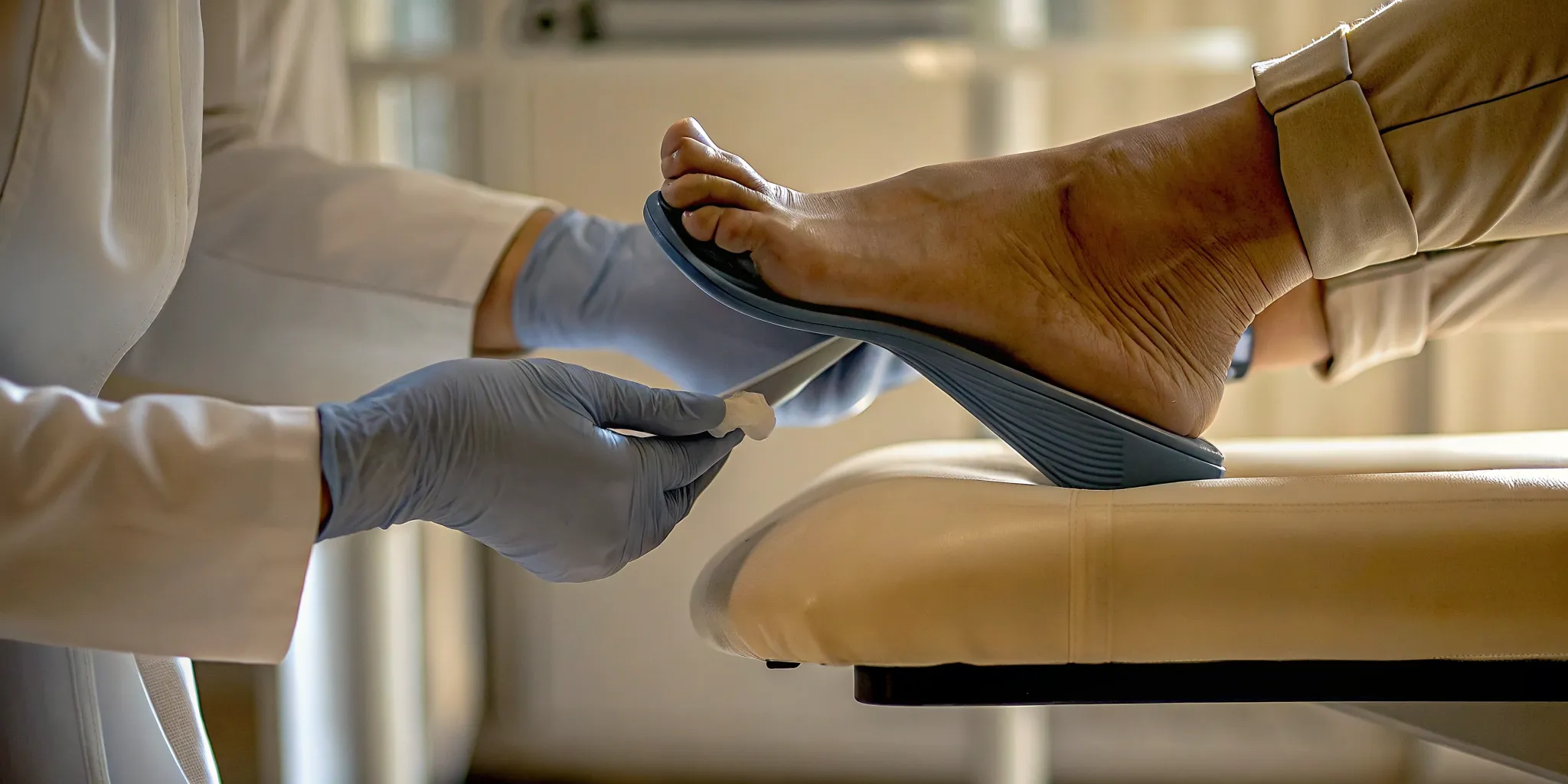
If OTC inserts aren't cutting it, it might be time to consider custom orthotics. Think of them as prescription eyeglasses for your feet. They are medical devices prescribed by a podiatrist to address your specific foot imbalances. After a comprehensive evaluation, a specialist creates a mold of your feet to build an orthotic that corrects your unique foot function. While they are a bigger investment upfront, custom orthotics are highly effective for managing conditions like plantar fasciitis, flat feet, and high arches because they treat the root cause of the pain. If you're dealing with persistent pain, making an appointment for a professional assessment is the best next step.
What Podiatrists Actually Recommend
When you're dealing with persistent heel pain, it’s easy to get lost in a sea of online advice and product reviews. While many over-the-counter orthotics can offer some relief, they often miss the mark on what’s truly causing your discomfort. To get to the root of the problem, it helps to think like a podiatrist. Professionals look beyond simple cushioning and focus on the mechanics of your foot. They see orthotics not just as inserts, but as medical tools designed to correct imbalances and restore proper function. This approach is about creating lasting change, not just providing a temporary fix.
Getting advice from an expert is the surest way to find a solution that works for you long-term. The physicians at The Foot & Ankle Group can assess your specific foot structure, gait, and lifestyle to recommend a path forward. A professional evaluation can distinguish between a simple strain and a more complex biomechanical issue that requires a targeted intervention. True relief comes from a strategy that addresses your unique needs, and that's what a podiatrist is trained to provide. Here are the core principles that podiatrists follow when recommending orthotics for heel pain.
Focus on Motion Control and Alignment
Think of a good orthotic as custom-fit glasses for your feet. Its main job isn't just to provide a soft landing, but to correct your foot's alignment and control faulty motion. Many cases of heel pain, including plantar fasciitis, are caused by biomechanical issues like overpronation (when your foot rolls too far inward). An effective orthotic guides your foot into a more neutral position, reducing strain on the plantar fascia and other tissues. This is why our podiatry services focus on creating solutions that address the underlying cause of your pain, not just the symptoms.
Replace Your Orthotics Regularly
It’s a common misconception that once you have a pair of orthotics, you’re set for life. Unfortunately, that’s not the case. The materials in both over-the-counter and custom orthotics break down over time with daily wear and tear, losing their supportive structure. Your feet can also change, requiring adjustments to your orthotic prescription. As a general rule, you should have your orthotics evaluated annually and expect to replace them every one to three years. Making an appointment for a yearly check-up is a great way to ensure your orthotics are still doing their job effectively.
Pair Orthotics With the Right Shoes
An orthotic is only as good as the shoe it’s in. Placing a high-quality orthotic inside a flimsy, worn-out, or unsupportive shoe is like putting a high-performance engine in a car with flat tires. It just won’t work. To get the full benefit, you need to pair your orthotics with stable footwear. Look for shoes with a firm heel counter, good torsional stability (meaning it doesn’t twist easily), and enough room to accommodate the insert without crowding your toes. This powerful combination of the right shoe and the right orthotic creates a supportive environment where your foot can finally heal.
Why Orthotics Are Only Part of the Solution
Think of orthotics as a powerful tool in your recovery toolkit, but not the entire kit. While they do an excellent job of providing support, correcting alignment, and relieving pressure on your heel, they work best when combined with other treatments. Orthotics can significantly reduce your pain, but they are most effective as part of a comprehensive treatment plan that addresses the root causes of your discomfort.
Lasting relief often requires a holistic approach. Your heel pain is a signal that certain structures in your foot are overworked and inflamed. Orthotics give these areas a much-needed break, creating an environment where they can heal. However, to prevent the pain from returning, it’s important to also build strength, improve flexibility, and make small lifestyle changes that support your foot health long-term. Combining orthotics with targeted exercises and mindful habits is the most reliable path to getting back on your feet for good.
Incorporate Stretching and Strengthening Exercises
While it might seem counterintuitive to work an area that hurts, gentle stretching and strengthening are essential for healing. Tightness in your calf muscles and Achilles tendon can pull on your plantar fascia, contributing to heel pain. Regular, gentle stretching helps lengthen these tissues, reducing tension on your heel. Simple wall stretches for your calves can make a huge difference over time.
Strengthening the small, intrinsic muscles within your feet helps them better support your arch, creating a more stable foundation. Exercises like picking up a small towel with your toes or grabbing marbles with your feet can build this crucial strength. Our expert podiatrists can guide you on the right exercises for your specific condition, ensuring you’re helping, not harming, your recovery process.
Adjust Your Lifestyle to Support Heel Health
Your daily habits play a surprisingly large role in your foot health. For example, if you have heel pain, walking barefoot on hard floors at home can continuously aggravate the issue, even if you wear supportive orthotics outside. Consider investing in a pair of supportive slippers or indoor shoes to wear around the house. This simple change gives your feet consistent support.
Managing your activity level is also key. You don’t have to stop moving, but you may need to temporarily swap high-impact activities like running for lower-impact options like swimming or cycling. This gives the inflamed tissue in your heel a chance to heal without repeated stress. If you feel like your lifestyle is holding back your recovery, it might be time to schedule an appointment to create a personalized plan.
When to See a Podiatrist for Your Heel Pain
It’s great to be proactive about your heel pain, and trying things like over-the-counter orthotics and stretching is a smart first step. But sometimes, that’s not enough to get you back on your feet comfortably. So, how do you know when it’s time to stop troubleshooting on your own and call in a professional?
There are a few clear signs. If your heel pain is severe, came on very suddenly, or you can't put weight on your foot, it's important to seek medical attention right away. Another key indicator is time. If you’ve been trying home remedies for two or three weeks and the pain isn’t getting any better (or is getting worse), that’s your cue to make an appointment. Lingering pain that just won't go away can sometimes point to a more complex issue like a stress fracture or a cyst, which an over-the-counter insole can't fix.
A podiatrist does more than just hand you a pair of orthotics. We provide a thorough diagnosis to make sure we’re treating the right problem. We’ll also take a close look at your foot mechanics to see if issues like overpronation (your foot rolling inward) are contributing to the pain. From there, we can build a complete treatment plan that might include physical therapy, specific stretches, footwear changes, or even custom orthotics designed just for you. Don't let heel pain hold you back from your life. Getting an expert opinion can give you a clear path to recovery and long-term relief.
Related Articles
Frequently Asked Questions
How long will it take for my orthotics to start working? There’s usually a short adjustment period when you first start wearing orthotics. It can take a week or two for your feet and body to get used to the new support and alignment. You might feel a little different at first, but you should start to notice a gradual decrease in pain as your foot mechanics improve. The key is consistent wear, so try to use them daily as your feet adapt.
What’s the difference between a simple gel heel cup and a full-length orthotic? A gel heel cup is designed almost exclusively for cushioning. It provides a soft landing spot for your heel to absorb shock, which can offer some temporary relief. A full-length orthotic, however, does much more. It provides structural support for your entire foot, including your arch, to correct alignment issues like overpronation. It addresses the mechanical cause of your pain, not just the symptom of impact.
Do I have to wear my orthotics in all of my shoes? For the best results, you should wear your orthotics in the shoes you use most often, like your daily work shoes or sneakers. The goal is to give your feet consistent support. You can often move one pair of orthotics between similar types of shoes, but make sure they fit properly without sliding or bunching. An orthotic that doesn't fit well in a particular shoe won't be able to do its job correctly.
My heel pain is finally gone. Can I stop wearing my orthotics now? It's great that you're feeling better, but that relief is likely a direct result of the support your orthotics are providing. They work by correcting the underlying mechanical issue that was causing your pain in the first place. If you stop wearing them, that issue may return, and the pain could come right back. Think of them as a tool for long-term management and prevention, not just a temporary fix.
How do I know for sure if I need custom orthotics? Over-the-counter inserts are a great starting point, but if you've tried them for a few weeks without significant improvement, it's a strong sign you may need a custom solution. Other indicators include severe or persistent pain, a known structural issue like very flat feet or high arches, or pain that interferes with your daily activities. The best way to know for sure is to get a professional evaluation from a podiatrist who can diagnose the root cause of your pain.