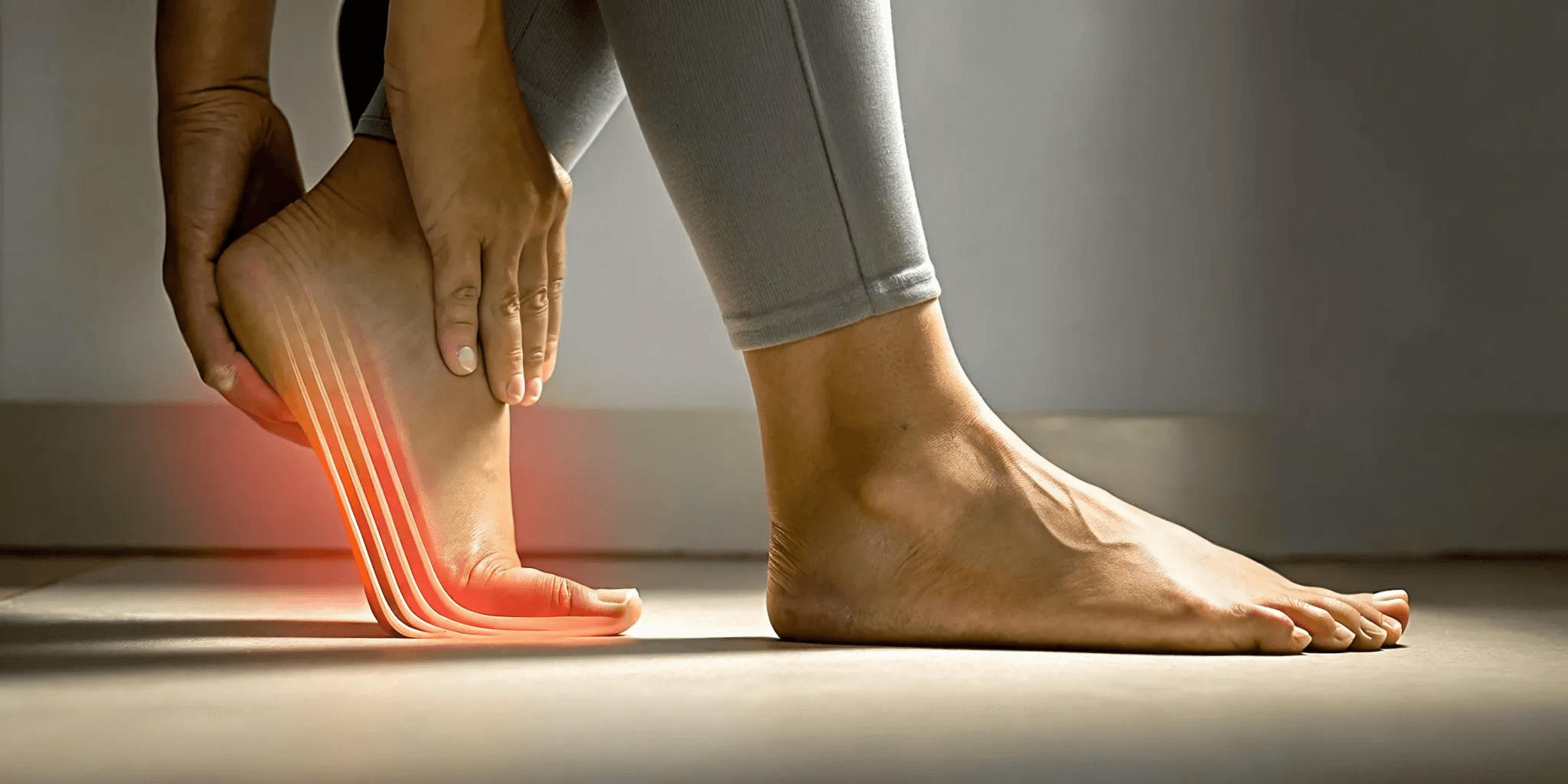
Achilles Tendon Pain: A Complete Guide to Relief
Date:
Editor:
It’s tempting to push through that persistent ache in the back of your heel, hoping it will simply go away on its own. However, when it comes to Achilles tendon pain, ignoring the warning signs is a risky strategy. What starts as minor inflammation can develop into a chronic problem or even a serious rupture that requires intensive treatment. Taking this pain seriously is the best thing you can do for your long-term mobility. Here, we’ll explain the difference between minor strain and a serious injury, outline effective home care, and clarify when it’s time to schedule a professional consultation.
Key Takeaways
Prevention Starts with Smart Habits: Most Achilles pain is preventable. Protect your tendons by gradually increasing workout intensity, consistently stretching your calves, and wearing supportive shoes designed for your activity.
Listen to Your Body's Signals: For mild pain, start with the RICE method (Rest, Ice, Compression, Elevation). However, you should see a doctor for a sudden "pop," severe pain, or any ache that doesn't improve with home care.
A Podiatrist Can Find the Root Cause: If the pain persists, a specialist can provide an accurate diagnosis. They will create a personalized treatment plan, which may include physical therapy or custom orthotics, to address the underlying issue and ensure proper healing.
What Is Achilles Tendon Pain?
If you’ve ever felt a sharp or nagging pain in the back of your lower leg, just above your heel, you might be dealing with Achilles tendon pain. This is a common issue, especially if you’re active, but it can happen to anyone. The pain comes from the Achilles tendon, a strong, fibrous cord that connects your calf muscles to your heel bone. When this tendon gets irritated and inflamed from being overworked, it’s called Achilles tendinitis.
Think of it as an overuse injury. It often happens when you push your body too hard, too soon, without giving the tendon enough time to recover. This could be from increasing the intensity of your runs, playing sports only on the weekends, or even just wearing shoes that don’t provide enough support. While it’s usually tied to activity, sometimes the pain can show up without a clear reason. Understanding what’s causing the discomfort is the first step toward finding relief, and our team offers a range of expert podiatry services to diagnose and treat the root of the problem.
How Your Achilles Tendon Works
Your Achilles tendon is a powerhouse. In fact, it’s the largest and strongest tendon in your entire body. Its main job is to help you point your foot downward, rise up on your toes, and push off the ground when you walk, run, or jump. Every time you take a step, your Achilles tendon is hard at work, absorbing significant force and helping you move forward. Because it plays such a crucial role in basic movement, it’s highly susceptible to stress and injury when it’s put under too much strain.
Common Symptoms of Achilles Pain
So, how do you know if your pain is related to your Achilles tendon? The symptoms are usually quite distinct. If you're experiencing any of the following, it's a good idea to pay attention:
A dull ache or pain in the back of your leg or above your heel, especially after a run or other physical activity.
Stiffness and tenderness in the tendon area, particularly in the morning.
Noticeable swelling around the tendon.
Pain that gets worse the day after exercising or when climbing stairs.
If these symptoms sound familiar, it might be time to schedule an appointment to get a proper diagnosis.
Tendinitis vs. a Rupture: What's the Difference?
It’s important to understand that not all Achilles pain is the same. The two most common issues are tendinitis and a rupture, and they are very different. Achilles tendinitis is inflammation caused by repeated stress over time. It’s that nagging pain that builds gradually. A rupture, on the other hand, is a much more serious injury where the tendon actually tears. This usually happens during a sudden, forceful movement, and people often report hearing a "pop" followed by immediate, severe pain. While tendinitis can often be managed with conservative treatments, a rupture may require more intensive care. Our expert physicians can help determine the exact nature of your injury.
What Causes Achilles Tendon Pain?
That nagging ache or sharp pain in the back of your heel often has a clear cause, and it’s usually not from a single, dramatic event. Understanding what’s behind the discomfort is the first step toward finding relief. Most of the time, Achilles pain comes down to a few key factors related to your activities, your body, and even your shoes.
Overuse and Intense Activity
If you’re a runner or someone who loves staying active, this is often the primary culprit. Achilles tendinitis happens when the tendon becomes inflamed from repetitive stress. Think of it as a "too much, too soon" injury. This can happen when you suddenly increase the intensity or duration of your workouts without giving your body time to adapt. The constant strain, combined with not enough rest, leads to tiny tears and inflammation in the tendon. It’s not just for elite athletes; anyone who pushes their limits without proper conditioning can experience this kind of overuse injury.
Tight Calves and Foot Structure
Sometimes, the source of the strain is your own anatomy. Having naturally tight calf muscles can pull on your Achilles tendon, putting it under constant tension. Your foot structure also plays a significant role. People with flat feet or very high arches may find that their foot mechanics place extra stress on the tendon with every step. This uneven pressure can lead to irritation and pain over time. Our team provides a range of podiatry services, including creating custom orthotics, to help correct these structural imbalances and relieve the pressure on your Achilles.
The Wrong Shoes
The shoes on your feet can either help or hurt your Achilles tendon. Wearing worn-out sneakers that have lost their cushioning and support is a common mistake that contributes to heel pain. The same goes for shoes that don’t fit properly. Even your daily footwear matters. Frequently wearing high heels can shorten your calf muscles over time, which then puts more strain on your Achilles tendon when you switch to flat shoes. Choosing supportive, well-fitting shoes for your specific activities is one of the easiest ways to protect your tendons from unnecessary stress.
Other Risk Factors: Age, Lifestyle, and Past Injuries
A few other factors can make you more susceptible to Achilles pain. The tendon can become less flexible with age, making it more prone to injury. Your lifestyle also matters. If you’re a "weekend warrior" who goes hard at a sport after being mostly sedentary during the week, you’re at a higher risk. Certain medical conditions and medications can also weaken the tendon. And if you’ve injured your Achilles in the past, you’re more likely to experience issues again. If any of these risk factors sound familiar, it’s a good idea to be proactive about your foot health and schedule an appointment for a check-up.
Who Is Most at Risk for Achilles Injuries?
Some people can run marathons without a twinge of pain, while others feel that familiar ache after a short jog. While anyone can injure their Achilles tendon, certain factors make you more vulnerable. Understanding your personal risk can help you take the right steps to protect yourself from pain. Let's look at the most common risk factors.
Athletes and Weekend Warriors
Active people, especially runners, are prime candidates for Achilles tendinitis. The tendon is put under constant, repetitive stress during activities like running and jumping. Without enough rest, this can lead to inflammation and pain. In fact, about one in four athletes will deal with an Achilles tendon injury. You don't have to be a pro to be at risk. "Weekend warriors," who are mostly sedentary during the week but engage in intense activity on Saturdays, often put too much sudden strain on their tendons. This abrupt increase in demand is a classic recipe for an overuse injury.
Your Foot Shape: Flat Feet and High Arches
The way your body is built plays a big role in how stress is distributed through your feet and ankles. If you have flat feet or high arches, your foot mechanics might be putting extra tension on your Achilles tendon with every step. This can also happen if your ankles tend to roll inward, a condition known as overpronation. Other physical traits, like having tight calf muscles or a bone spur on your heel, also increase the strain. The good news is that many of these structural issues can be managed. Our team can help you find solutions, like custom orthotics, to correct these imbalances.
Lifestyle Habits That Increase Your Risk
Sometimes, our habits put us at risk. One of the biggest culprits is jumping into a new, intense exercise routine without giving your body time to adapt. If you go from a sedentary lifestyle to training for a 5K overnight, your Achilles tendon may protest. The key is gradual progression. It's also worth noting that certain medications, specifically a class of antibiotics called fluoroquinolones, have been linked to a higher risk of tendon injuries. If you're taking these and notice new pain, it's important to talk to your doctor. Most Achilles issues stem from asking the tendon to do too much, too soon.
How to Manage Achilles Pain at Home
When that familiar ache starts up in the back of your heel, your first thought is probably how to get some relief, fast. The good news is that for mild to moderate Achilles pain, there are several effective strategies you can try right at home. These methods focus on reducing inflammation, easing tension on the tendon, and giving your body a chance to heal. While these at-home treatments are a great starting point, remember that persistent or severe pain is your body’s signal to see a professional. If your symptoms don't improve, it's always best to schedule an appointment to get a proper diagnosis and treatment plan.
Try the RICE Method
The RICE method is a go-to strategy for many types of soft tissue injuries, and for good reason. It’s simple, effective, and can be started immediately. RICE stands for Rest, Ice, Compression, and Elevation.
Rest: First things first, stop doing the activity that’s causing the pain. This might mean taking a break from running or high-impact sports.
Ice: Apply an ice pack wrapped in a thin towel to the painful area for up to 20 minutes at a time, several times throughout the day. This helps reduce swelling and numb the ache.
Compression: Gently wrap your ankle and lower leg with an elastic bandage to help control swelling.
Elevation: Whenever you’re sitting or lying down, prop your foot up on pillows so it’s above the level of your heart.
Gentle Stretches and Strengthening Exercises
Tight calf muscles are a common culprit behind Achilles tendon pain because they put extra strain on the tendon. Incorporating gentle stretches for your lower leg muscles can make a huge difference in relieving that tension. Similarly, strengthening your calf muscles helps them better absorb the impact of daily activities, taking some of the load off your Achilles tendon. While you can find many stretches online, it’s best to get guidance from one of our expert physicians. They can show you the correct form and create a routine tailored to your specific needs to prevent further injury.
Over-the-Counter Pain Relief
It’s okay to reach for over-the-counter pain relievers like ibuprofen to manage inflammation and discomfort in the short term. These medications can help you get through your day more comfortably while your tendon begins to heal. However, it’s important to view them as a temporary tool, not a long-term solution. Relying on them for more than a few weeks can mask a problem that needs professional attention. If you find the pain returns as soon as the medication wears off, or if you’ve been taking it for a month, it’s time to contact us for a consultation.
Swap High-Impact for Low-Impact Exercise
Resting your Achilles tendon doesn’t have to mean sitting on the couch all day. In fact, gentle movement can aid recovery by promoting blood flow. The key is to swap your usual high-impact workouts for activities that are easier on your joints and tendons. Swimming and cycling are excellent choices because they provide a great cardiovascular workout without the pounding stress of running or jumping. Just listen to your body. If an activity causes any pain in your Achilles, it’s a sign to stop and choose something even gentler. Finding the right balance helps you stay active while giving your tendon the break it needs to heal.
When to See a Doctor for Achilles Pain
While home care can be effective for mild Achilles pain, some symptoms are too serious to manage on your own. Pushing through the pain can lead to a more severe injury that is harder to treat. Knowing the difference between minor strain and a serious problem is key to a healthy recovery. If your pain is severe, sudden, or simply won’t go away, it’s time to get a professional opinion.
Ignoring warning signs can allow a simple case of tendinitis to become a chronic issue or even a full-blown rupture. A podiatrist can give you an accurate diagnosis and create a treatment plan to get you back on your feet safely. If you experience any of the red flags below, don’t wait. Making an appointment is the best first step toward healing.
Red Flags for a Possible Rupture
An Achilles tendon rupture is a serious injury that requires immediate medical attention. The most telling sign is a sudden, sharp pain in the back of your ankle or calf, which people often describe as feeling like they were kicked or hit. You might even hear a "pop" or snapping sound at the moment of injury.
If this happens, you will likely have difficulty walking, pointing your foot downward, or pushing off the injured foot when you take a step. Swelling and bruising will typically appear soon after. Don’t try to "walk it off." If you suspect a rupture, you should see a doctor right away. Our expert physicians can perform a physical exam and order imaging tests to confirm the diagnosis and determine the best course of action.
When the Pain Won't Go Away (Or Gets Worse)
If you’ve been trying home remedies like rest and ice for a few weeks but the pain isn't getting better, it's a clear sign you need professional help. You should also see a doctor if the pain is getting progressively worse or if it’s severe enough to interfere with your daily activities. Persistent swelling, tenderness, and stiffness, especially in the morning, are also indicators that the inflammation isn't resolving on its own.
A podiatrist can identify the underlying cause of your chronic pain, whether it’s related to your foot structure, your shoes, or your activity level. From there, they can recommend effective podiatry services to help you heal properly.
Why You Shouldn't Ignore the Pain
It can be tempting to ignore nagging Achilles pain, hoping it will just disappear. However, this is a risky approach. Ongoing Achilles tendinitis can weaken the tendon over time, making it much more vulnerable to a sudden tear or rupture. What starts as a minor, treatable issue can become a severe injury that requires a long recovery and possibly even surgery.
Treating the problem early not only provides relief but also prevents long-term damage. A podiatrist can help you address the root cause of the pain before it escalates. If you're in the Mount Laurel, Columbus, Bordentown, or Philadelphia area, please contact us to schedule a consultation and protect your long-term mobility.
How a Podiatrist Treats Achilles Pain
If home care isn't cutting it, it’s time to see a specialist. A podiatrist can accurately diagnose the cause of your pain and create a personalized treatment plan that goes beyond basic rest and ice. At The Foot & Ankle Group, our approach is to first understand the root cause of your discomfort, whether it's from overuse, your foot structure, or another issue. From there, we create a roadmap for your recovery. We always start with the most conservative, non-invasive options first. Your treatment plan is yours alone, tailored to your lifestyle and goals. Our team is here to guide you through each step, ensuring you feel informed and confident in your care. Your recovery is our priority, and we’ll work with you to find the right path forward.
Guided Physical Therapy
Physical therapy is a key part of recovering from an Achilles injury, whether you need surgery or not. A podiatrist will often refer you to a physical therapist who can create a structured program just for you. This isn't just about doing random calf stretches; it's a targeted approach to healing. A therapist will teach you specific strengthening exercises to rebuild support around the tendon, as well as proper stretching and massage techniques to improve flexibility and blood flow. This professional guidance ensures you’re performing the movements correctly and safely, which is crucial for preventing further injury and promoting long-term healing.
Custom Orthotics and Supportive Shoes
The way your foot moves can put extra strain on your Achilles tendon. To address this, your podiatrist may recommend changes to your footwear. This could involve wearing more supportive shoes, using simple heel lifts to reduce tension, or getting fitted for custom orthotics. Unlike over-the-counter inserts, custom orthotics are molded specifically to your feet to correct biomechanical issues like flat feet or high arches. By providing the right support, these devices can redistribute pressure and offload the tendon, giving it a chance to heal. Your doctor might also recommend a night splint to keep the tendon gently stretched while you sleep.
Corticosteroid Injections
For persistent pain that doesn’t respond to other treatments, your podiatrist might discuss more advanced options. While direct steroid injections into the Achilles tendon are often avoided due to potential risks, other types of treatments can be very effective. For example, procedures like shockwave therapy use sound waves to stimulate healing and break down scar tissue. Another option is a procedure called brisement, which involves injecting saline to separate adhesions around the tendon. These specialized services are designed to target the source of chronic inflammation and pain, helping to jumpstart the body's natural repair process when it has stalled.
Surgery for Severe Injuries
Surgery is typically considered a last resort for Achilles pain. If your symptoms haven't improved after about six months of consistent, nonsurgical treatment, your doctor might suggest a surgical consultation. This is also the primary treatment for a complete Achilles tendon rupture. The type of surgery depends on the extent of the injury. Options can range from removing damaged tendon tissue to lengthening the calf muscles to reduce tension. In some cases, a surgeon may even transfer another tendon to reinforce the damaged Achilles. Our expert physicians will walk you through all your options to determine if surgery is the right choice for you.
How Can You Prevent Achilles Tendon Pain?
The best way to handle Achilles tendon pain is to keep it from starting in the first place. While you can’t prevent every injury, a few key habits can go a long way in protecting your tendons from strain and damage. Think of it as proactive care for one of the most important parts of your lower leg. By making a few small adjustments to your routine, you can keep your Achilles tendons healthy, flexible, and ready for whatever your day holds, whether that’s a morning run or just walking around the city.
Ramp Up Your Workouts Slowly
It’s easy to get excited about a new fitness goal, but jumping into intense activity too quickly is a classic recipe for Achilles pain. Your tendons need time to adapt to increased stress. Instead of going from zero to one hundred, increase the duration and intensity of your workouts gradually. A good rule of thumb is to increase your activity level by no more than 10% per week. If you’re a runner, that means adding just a little more distance each week. If you’re starting a new sport, begin with shorter sessions and build up from there. This slow and steady approach gives your body, especially your tendons, the time it needs to get stronger and more resilient.
Stretch and Strengthen Your Calves Daily
Your calf muscles and Achilles tendon work together as a team. When your calves are tight or weak, the tendon has to pick up the slack, which puts it under a lot of stress. You can prevent this by making calf stretches and strengthening exercises a non-negotiable part of your daily routine. Simple calf stretches against a wall in the morning and before and after exercise can keep the tendon flexible. To build strength, try doing calf raises while you wait for your coffee to brew. Stronger calf muscles can better handle the impact of walking and exercise, taking the pressure off your Achilles tendon. If you're unsure which exercises are right for you, our team can guide you through a personalized physical therapy plan.
Choose the Right Shoes for Your Activity
The shoes you wear have a direct impact on the health of your feet and ankles. Wearing worn-out shoes or the wrong type of footwear for an activity can contribute to Achilles pain. Make sure your shoes provide adequate heel cushioning and good arch support to reduce tension on the tendon. It’s also a good idea to replace your athletic shoes regularly, as the supportive cushioning breaks down over time. If you have flat feet or high arches, you might need extra support. In these cases, custom orthotics can make a world of difference by correcting alignment issues and providing targeted support right where you need it.
Your Next Step for Achilles Pain Relief
When that nagging pain in your Achilles tendon starts, it's easy to feel frustrated. But you can take control of your recovery with a few clear steps. The good news is that most cases of Achilles pain can be managed effectively without surgery, starting with some simple care at home.
First, give your tendon a break. This means pausing any activities that cause pain, like running or jumping. You don't have to stop moving entirely; you can switch to low-impact exercises like swimming or cycling to stay active without stressing the tendon. At the same time, use the RICE method: Rest, Ice (for up to 20 minutes at a time), Compression (with an athletic wrap), and Elevation (propping your foot up above your heart). This combination is a classic for a reason: it helps reduce pain and swelling right away.
Once the initial pain subsides, gentle movement is key. Specific exercises can strengthen your calf muscles and improve the flexibility of your Achilles tendon, which is crucial for preventing future problems. You can start with some basic calf stretches against a wall. However, working with a physical therapist is often the best way to get a routine tailored just for you. They can guide you through the right exercises to ensure you're healing properly and not causing more harm.
So, when should you stop trying to manage it at home and see a specialist? If you heard or felt a sudden "pop" in your heel during an activity, seek medical attention immediately, as this could be a rupture. You should also make an appointment if the pain is severe, doesn't improve after a week of self-care, or interferes with your daily life. Don't just push through it. Getting an expert diagnosis is the fastest way to get on a personalized recovery plan and back to the activities you love. Our team is here to help you find the right path forward.
Related Articles
Frequently Asked Questions
How can I tell if my pain is just muscle soreness or actual Achilles tendinitis? Muscle soreness usually feels like a general ache throughout your calf muscle and typically fades within a day or two of rest. Achilles tendinitis is different; it’s a more focused pain located on the tendon itself, just above your heel. This pain is often sharp or a persistent dull ache, and it’s frequently accompanied by stiffness, especially in the morning, and visible swelling that doesn't go away quickly.
Is it okay to keep exercising if my Achilles pain is mild? It’s best to avoid pushing through any Achilles pain, even if it feels minor. Continuing to run or perform high-impact activities on an inflamed tendon can prevent it from healing and may turn a small issue into a chronic problem. Instead, listen to your body and switch to low-impact exercises like swimming or cycling until the pain has completely resolved.
How long does it typically take for Achilles tendinitis to heal? Recovery time really depends on the severity of the injury and how consistently you follow your treatment plan. A mild case might feel better within a few weeks of dedicated rest and home care. However, more stubborn or chronic cases can take several months to fully heal, often requiring professional guidance like physical therapy to rebuild strength and flexibility properly.
Can I treat this completely at home, or do I really need to see a doctor? Home care is a great starting point for mild pain. But if your pain was sudden and severe, or if you heard a "pop," you should see a doctor immediately. You should also schedule an appointment if the pain doesn't improve after a couple of weeks of rest and ice, or if it’s bad enough to interfere with your daily routine. A professional can give you an accurate diagnosis and a plan to prevent the problem from getting worse.
Besides stretching, what's the most important thing I can do to prevent this from happening again? Choosing the right footwear is just as important as stretching. Make sure your shoes have good heel cushioning and support, and replace them before they become worn out. It's also crucial to increase your workout intensity gradually. Giving your body time to adapt to new stresses, rather than making sudden jumps in activity, is one of the best ways to protect your tendons from future injury.